
DRC TFM: Pollution Accusations Rejection Issued
Summary
- Tenke Fungurume Mining (TFM) has publicly rejected environmental pollution accusations made by the civil society platform CASMIA-G.
- CASMIA-G alleges TFM's operations, specifically factories 10K and 11K, are polluting soil, air, and water in four villages within its Lualaba province concession.
- The civil society group claims toxic emissions have severely impacted local agriculture and living conditions, citing a significant drop in corn yields.
- TFM asserts its adherence to applicable legal and regulatory environmental requirements, as well as International Finance Corporation (IFC) performance standards.
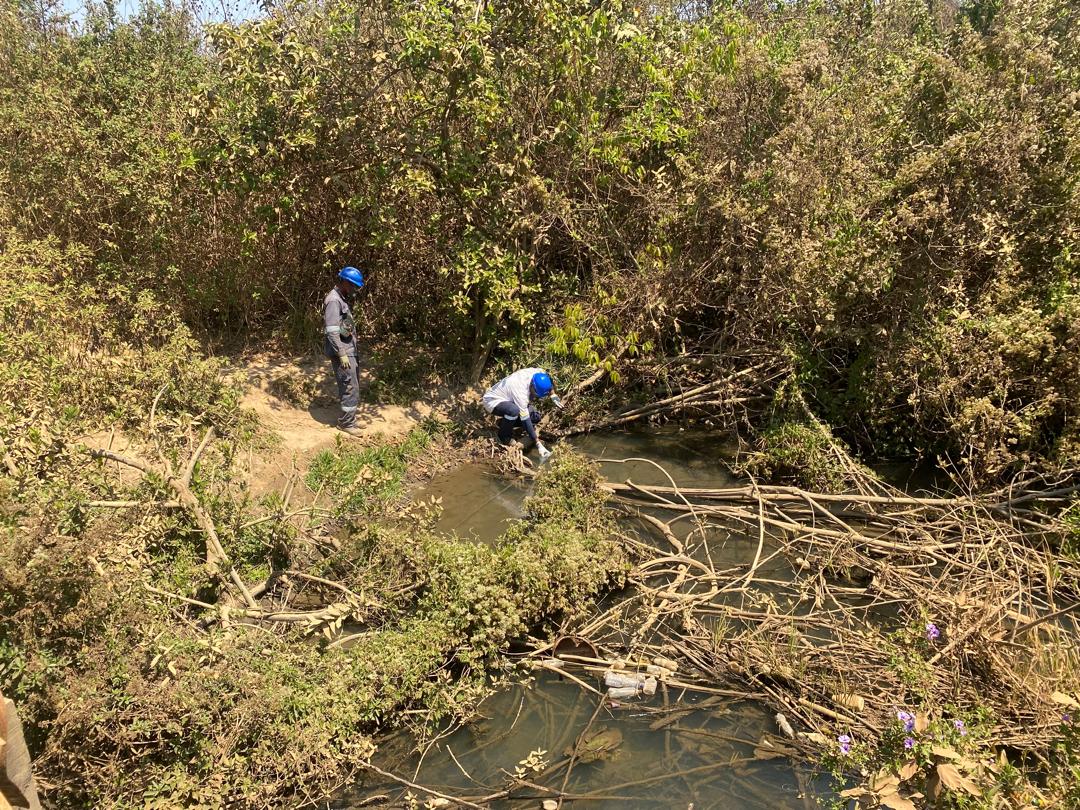
- The company states it employs independent third-party organizations for environmental monitoring, with samples analyzed by laboratories in South Africa and the UK.
Mining Giant Rejects Pollution Claims
TFM maintains that its comprehensive environmental operating and surveillance system, which includes monitoring its 10K and 11K factories, is designed to control potential impacts on the environment and local populations.
Tenke Fungurume Mining (TFM), a significant operator in the Democratic Republic of Congo's mining sector, has issued a strong rebuttal against recent environmental pollution allegations. The company, whose declaration was received on September 2, firmly denies claims made by CASMIA-G, a prominent platform representing civil society organizations focused on natural resources. These accusations center on alleged contamination of soil, air, and water across four specific villages situated within TFM's operational concession: Ndela wa Ntanshi, Ndela-Nguza, Ndela-Kasanga, and Kiboko-Amoni. TFM insists that its operations are conducted with strict adherence to environmental mandates.
The rejection by TFM comes in response to a detailed 21-page report from CASMIA-G, which was initially received on August 16. This report specifically implicates TFM's 10K and 11K factories, asserting their proximity to the aforementioned villages in the Fungurume territory of Lualaba province. The civil society group contends that residents in these communities are exposed to what it describes as toxic emissions, leading to adverse effects on their daily lives and livelihoods.
Civil Society Raises Alarm Over Local Impact
CASMIA-G's allegations paint a concerning picture of the environmental and social consequences attributed to TFM's mining activities. The civil society platform asserts that the alleged pollution has led to significant negative impacts on local agriculture, infrastructure, and the overall living conditions of the affected populations. Specifically, the organization highlights a drastic decline in agricultural productivity, which directly threatens the food security and economic stability of the villagers.
Shadrack Mukad, the national coordinator for CASMIA-G, provided a stark illustration of this agricultural decline. He cited an example of a cornfield that, prior to the establishment of TFM's factories, consistently yielded between 150 and 200 buckets of corn. Following the commencement of operations, the same land now struggles to produce even 25 to 30 buckets, representing a severe reduction in output. This dramatic decrease, according to CASMIA-G, underscores the gravity of the environmental degradation and its direct implications for the communities residing near the mining sites.
TFM Cites Robust Environmental Compliance
In its defense, Tenke Fungurume Mining emphasizes its comprehensive approach to environmental management, asserting that its practices are rooted in both national legal and regulatory requirements and international benchmarks. The company specifically points to its adherence to the performance standards set by the International Finance Corporation (IFC), indicating a commitment to globally recognized environmental best practices in its Congo mining environmental regulations compliance. TFM states that it employs independent, specialized third-party organizations to conduct environmental sampling and controls.
These monitoring activities are reportedly carried out at numerous surveillance points, strategically located both near TFM's facilities and within the surrounding areas, including the four villages identified in CASMIA-G's report. The scope of these controls encompasses critical environmental parameters such as air and water quality. Furthermore, TFM ensures that all collected samples undergo rigorous analysis by independent laboratories based in South Africa and the United Kingdom, following established procedures. TFM maintains that its comprehensive environmental operating and surveillance system, which includes monitoring its 10K and 11K factories, is designed to control potential impacts on the environment and local populations.
Heightened Scrutiny on DRC Mining Operations
The ongoing dispute between Tenke Fungurume Mining and CASMIA-G underscores the increasing scrutiny faced by mining companies operating in the Democratic Republic of Congo, particularly concerning their environmental compliance. This incident, involving DRC TFM pollution accusations rejection, highlights the critical role civil society organizations play in holding corporations accountable for their environmental footprint and the Lualaba province mining impact. The detailed allegations from CASMIA-G, coupled with TFM's robust defense, exemplify the complex challenges of balancing resource extraction with environmental protection and community welfare in resource-rich regions.
This development serves as a significant reminder for all stakeholders in the mining sector about the necessity of transparent and verifiable environmental management systems. Companies operating in the DRC must not only meet regulatory requirements but also be prepared to demonstrate their environmental stewardship through independently auditable processes. The ability to effectively counter public allegations with credible data and established compliance frameworks is becoming increasingly vital for maintaining social license to operate and mitigating reputational and potential legal risks in a landscape of heightened environmental awareness.
Practical Implications
This development underscores the heightened scrutiny on mining companies' environmental compliance in the DRC, particularly from civil society organizations. Lawyers and compliance officers should ensure their clients' environmental management systems are robust, independently verifiable, and capable of withstanding public allegations to mitigate reputational and potential legal risks.
Source
How does this affect you?
Get an AI analysis of this article grounded in your jurisdictions, practice areas, and any policy documents you've uploaded to Wansom.
Finish Reading the Full Story and the Expert Analysis.
Wansom is AI and can make mistakes.