
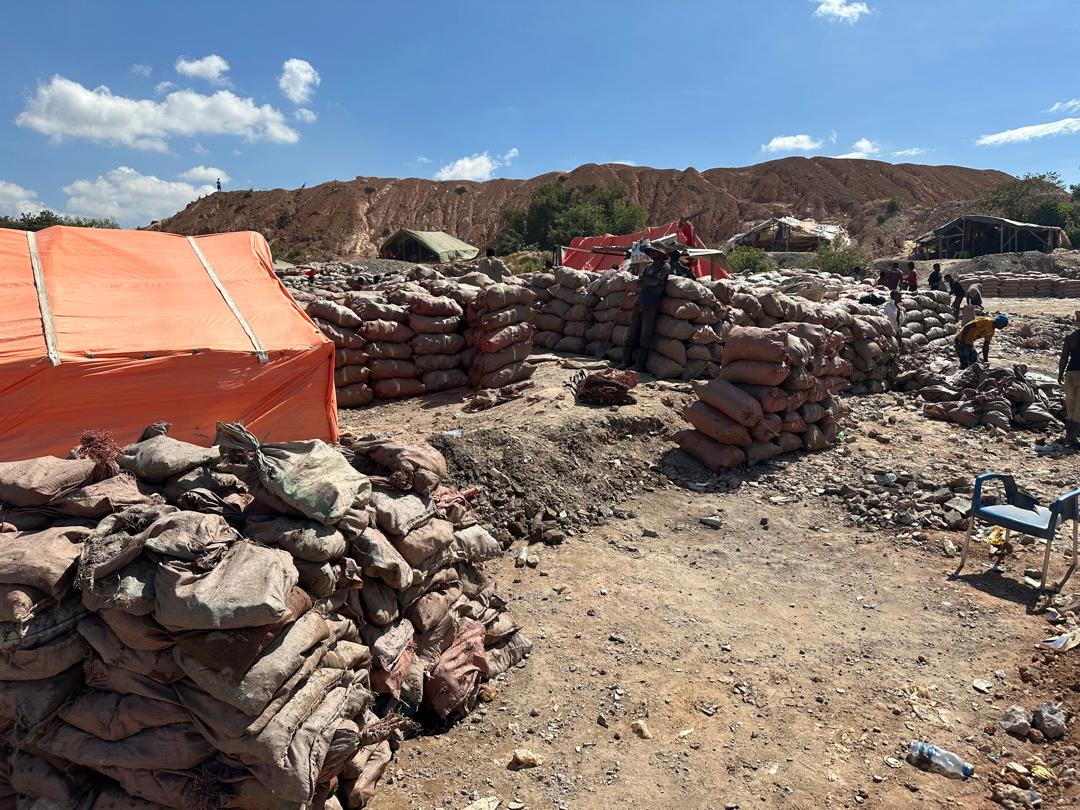
DRC Ministry of Mines: South Kivu Mining Compliance Audit Begins
Summary
- The DRC Ministry of Mines launched an ad hoc commission on August 31 to audit mining compliance in South Kivu.
- The commission is verifying documents and operational regularity of companies in Mwenga, Fizi, Uvira, Baraka, and Shabunda.
- This initiative addresses rising complaints about illicit mineral exploitation and overlapping mining titles.
- Lugushwa Mining reported that local cooperatives are fronting for fictitious companies exploiting gold, implicating local authorities.
- Audit findings will lead to appropriate measures against non-compliant operators, enforcing DRC mining regulations.
New Compliance Push in South Kivu
The current initiative by the Ministry of Mines signals a robust crackdown on non-compliant practices and illicit mining within the Congolese mining sector.
The Democratic Republic of Congo's national Ministry of Mines has initiated a significant effort to enhance regulatory compliance within the South Kivu province's mining sector. This intensified focus follows a rise in complaints concerning ongoing illicit mineral exploitation across the region, as reported by civil society organizations. To address these issues, an ad hoc commission was formally established on Monday, August 31, tasked with scrutinizing the operational conformity of mining enterprises.
This specialized commission is specifically targeting companies operating in key areas including Mwenga, Fizi, Uvira, Baraka, and Shabunda. Mining operators active in these territories are being summoned to formal hearing sessions, where their documentation and overall compliance will undergo rigorous verification. These sessions are conducted with the notable presence of national deputies who represent constituencies within South Kivu, underscoring the legislative interest in this audit.
During these hearings, operators are mandated to present all necessary evidence and paperwork that substantiates their legal standing and operational regularity. Following the comprehensive verification process, the Ministry of Mines has confirmed that a detailed report will be compiled for each individual operator. These reports will serve as the foundation for determining and implementing appropriate measures, strictly in accordance with the prevailing laws and regulations governing the Congolese mining sector.
Addressing Illicit Activities and Title Overlaps
A primary catalyst for this heightened enforcement action is the escalating number of grievances related to the illicit extraction of minerals. Beyond unauthorized operations, a significant concern highlighted by these complaints involves the superposition of mining titles, particularly prevalent in various concessions within Mwenga. This issue creates ambiguity and potential conflict over land rights and exploitation privileges, complicating legitimate mining activities.
Further illustrating the challenges, Lugushwa Mining recently brought to light, during an interview with Radio Okapi, the alleged existence of local cooperatives that purportedly act as fronts for fictitious companies. These entities are reportedly engaged in the unauthorized exploitation of gold within the region. Lugushwa Mining's statement went further, implicating certain local authorities in what it described as a "mafia-like" network facilitating these illicit activities.
When contacted by Radio Okapi for comment on these serious allegations, provincial authorities maintained a reserved stance, declining to offer immediate detailed responses. This reticence from local officials adds another layer of complexity to the ongoing efforts to clean up the mining sector and enforce stringent DRC mining regulations enforcement.
Implications for Mining Operators
The current initiative by the Ministry of Mines signals a robust crackdown on non-compliant practices and illicit mining within the Congolese mining sector. Companies operating in South Kivu, particularly those in Mwenga, Fizi, Uvira, Baraka, and Shabunda, are now under increased scrutiny regarding their adherence to established legal frameworks. The requirement for operators to present comprehensive documentation proving their regularity is a direct consequence of this intensified oversight.
The outcome of the ad hoc commission's audits will directly influence the operational future of many entities. Companies found to be non-compliant or involved in illicit activities, including those benefiting from title superposition, face the prospect of significant sanctions or other corrective actions. This proactive verification process underscores the government's commitment to ensuring transparency and legality across the South Kivu mining sector, aiming to curb illicit gold exploitation and enforce proper South Kivu mining title verification.
Practical Implications
Lawyers advising mining companies in South Kivu should immediately review their clients' operational compliance and documentation, particularly regarding mining titles, to prepare for potential audits by the ad hoc commission and mitigate risks of sanctions. This initiative signals a heightened enforcement environment against illicit activities and title superposition, which could lead to new legal disputes and require proactive client advice.
Source
How does this affect you?
Get an AI analysis of this article grounded in your jurisdictions, practice areas, and any policy documents you've uploaded to Wansom.
Finish Reading the Full Story and the Expert Analysis.
Wansom is AI and can make mistakes.