
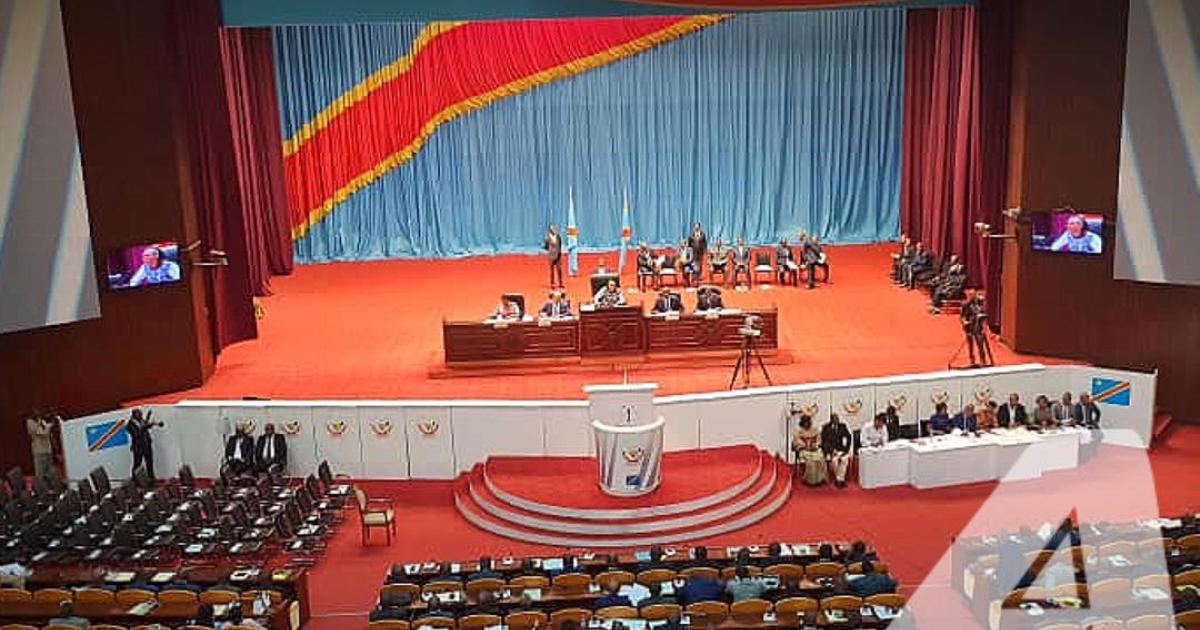
DRC National Assembly: Electoral Law Reform Postponement
Summary
- The Democratic Republic of Congo's National Assembly has postponed the review and adoption of two key electoral bills.
- These bills concern the Independent National Electoral Commission (CENI) and the general electoral law.
- The legislative process was originally scheduled for Friday, November 27, 2026.
- The delay aims to allow for broader consultation with all stakeholders involved in the electoral process.
- This postponement impacts the legal framework for future elections in the République démocratique du Congo.
Legislative Delay in Kinshasa
The postponement of the DRC electoral law reform has direct and significant implications for the country's future electoral cycle and its overall political stability.
The Bureau of the National Assembly in the Democratic Republic of Congo has officially announced a delay in the review and subsequent adoption of two critical legislative proposals concerning the nation's electoral framework. These significant bills, which specifically address the operational guidelines of the Independent National Electoral Commission (CENI) and the broader electoral law, were initially slated for consideration on Friday, November 27, 2026. This unexpected postponement signals a notable shift in the legislative timetable for key reforms essential to the country's democratic processes.
The decision means that the anticipated examination of these foundational legal texts will not proceed as originally scheduled, impacting the progression of the DRC electoral law reform postponement. The proposed legislation is central to the organization, conduct, and oversight of future elections within the République démocratique du Congo, making its timely progression a matter of considerable national and international interest. The delay specifically affects both the proposed law governing the structure and functions of CENI and the overarching electoral statute that dictates the rules for political contests.
Rationale for Broader Consultation
The primary justification provided by the National Assembly's Bureau for deferring the legislative review is a stated intention to expand engagement with various participants and stakeholders in the electoral process. This strategic move suggests a deliberate effort to incorporate a wider range of perspectives, feedback, and concerns from different sectors before these pivotal laws are finalized and adopted. Such an inclusive approach aims to foster greater consensus and enhance the legitimacy of the forthcoming electoral reforms.
By seeking to broaden concertation, the Assemblée nationale RDC élection process aims to be more representative and robust. This indicates that the legislative body recognizes the paramount importance of input from diverse groups, including political parties, civil society organizations, and other relevant actors, in shaping the foundational rules for future democratic exercises in the Congo. The CENI law examination delay Congo is thus explicitly framed as an opportunity for more comprehensive dialogue and a more thorough legislative development process, rather than a mere procedural setback.
Implications for DRC Elections
The postponement of the DRC electoral law reform has direct and significant implications for the country's future electoral cycle and its overall political stability. The two propositions de loi are fundamental to how elections will be administered, contested, and ultimately validated, covering critical aspects from voter registration and candidate eligibility to campaign finance and dispute resolution mechanisms. A delay in their adoption means that the precise legal framework governing these crucial elements remains in a state of uncertainty for an extended period.
This extended period for stakeholder consultation, while potentially beneficial for achieving broader acceptance and reducing future contention, also introduces an element of prolonged uncertainty for all entities involved in the processus électoral Congo. Political parties, civil society groups advocating for electoral integrity, and international observers will need to closely monitor the evolving legislative landscape as the National Assembly prepares for eventual reconsideration of these vital bills. The outcome of this extended consultation and the subsequent legislative actions will ultimately shape the operational guidelines and perceived fairness of upcoming elections in the Democratic Republic of Congo, underscoring the importance of the current delay.
Practical Implications
Lawyers advising political entities, civil society organizations, or international observers in the DRC should note the postponement of the electoral law and CENI bill examination. This indicates an extended period for stakeholder consultation, presenting an opportunity to influence the final legislative text and requiring close monitoring of the legislative process for potential amendments affecting future elections.
Source
Source: Original reporting via Patient
How does this affect you?
Get an AI analysis of this article grounded in your jurisdictions, practice areas, and any policy documents you've uploaded to Wansom.
Finish Reading the Full Story and the Expert Analysis.
Get the latest legal & regulatory intelligence in DR Congo
Wansom is AI and can make mistakes.