
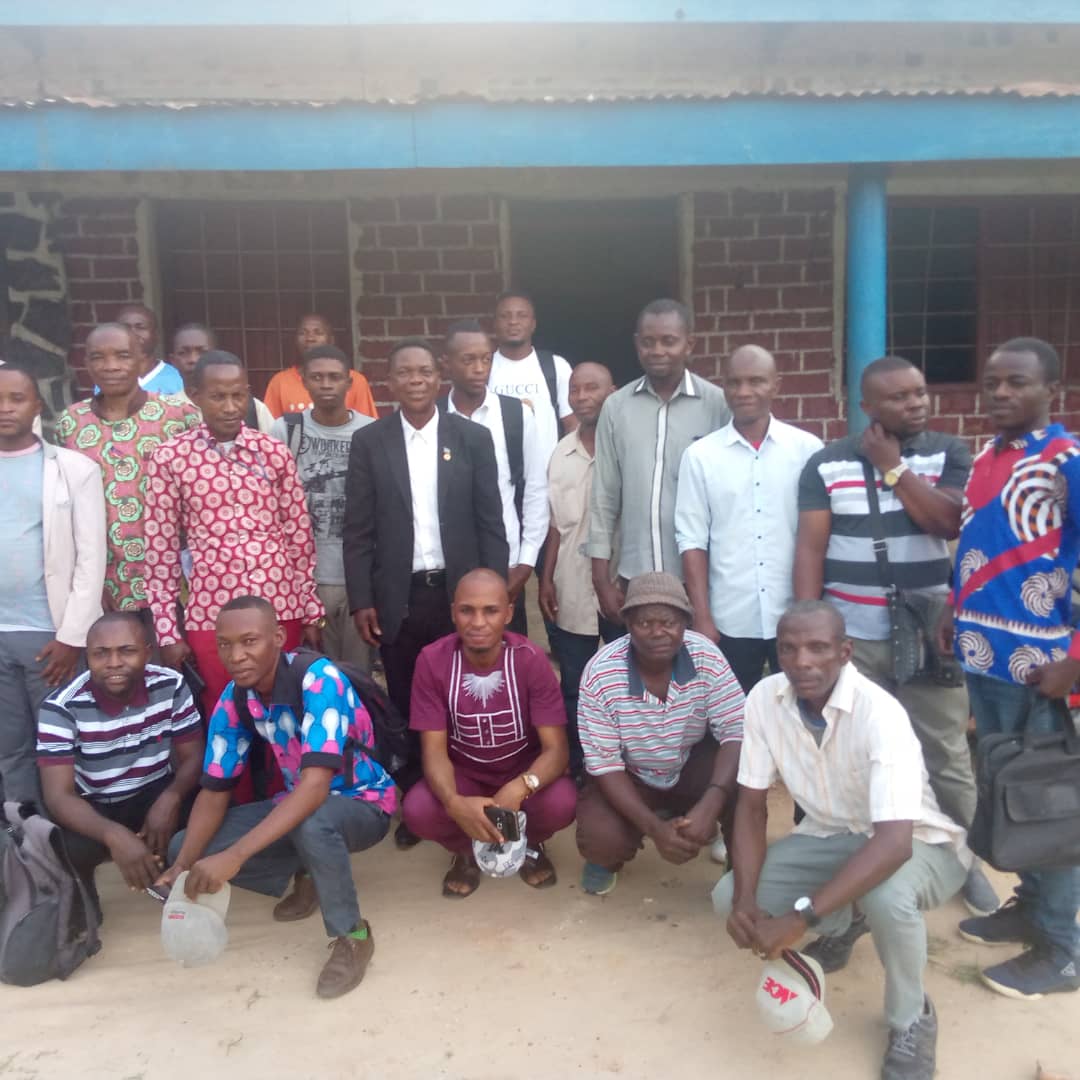
Basoko Yahuma Teachers: Unpaid Salaries Since June 2026 Spark Crisis
Summary
- Teachers in Basoko and Yahuma territories, Tshopo province, have not received salaries since June 2026.
- The Intersyndicale enseignants Tshopo reported that this situation is causing widespread family misery, especially during the back-to-school period.
- Due to the lack of resources from their unpaid wages, many teachers are unable to afford schooling for their own children.
- This prolonged non-payment highlights potential labor law violations and systemic issues within the DRC's public sector remuneration.
Unpaid Salaries Plague Tshopo Teachers
The ongoing failure to disburse these funds not only violates fundamental labor rights but also undermines the very foundation of education in these critical regions.
Educators working in the Basoko and Yahuma territories, located within the Tshopo province of the Democratic Republic of Congo, have reportedly been without their regular compensation for several months. Specifically, these dedicated professionals have not received their salaries since June 2026, a situation that has generated considerable alarm and financial distress across the affected communities. This prolonged delay in disbursing Basoko Yahuma teachers unpaid salaries represents a significant challenge to the livelihoods of many.
The critical issue of Tshopo province teacher salary arrears was brought to light by the Intersyndicale enseignants Tshopo, the collective union representing the region's teaching staff. Their public statement underscores a severe disruption in the financial stability of numerous households that rely heavily on these public sector wages. The persistent absence of timely payment for these Basoko Yahuma fonctionnaires impayés highlights a pressing administrative and social problem within the local educational framework.
Widespread Misery and Educational Impact
The financial hardship stemming from these unpaid wages extends far beyond the individual educators, plunging countless families into profound misery and uncertainty. The Intersyndicale enseignants Tshopo emphasized that the timing of this non-payment is particularly devastating, as it coincides with the crucial back-to-school period. During this time, families typically face heightened expenses for educational supplies, uniforms, and school fees, making the absence of income even more acutely felt.
A direct and heartbreaking consequence of these persistent Tshopo province teacher salary arrears is the inability of many educators to secure schooling for their own children. Lacking the necessary financial resources due to their Basoko Yahuma teachers unpaid salaries, these professionals find themselves in the paradoxical and deeply troubling position of being unable to ensure their own offspring receive an education, even as they are tasked with educating others. This situation not only impacts the teachers' personal lives but also casts a long shadow over the broader educational landscape in the Basoko and Yahuma territories.
Legal and Systemic Concerns
The ongoing issue of DRC public sector unpaid wages, as exemplified by the plight of teachers in Basoko and Yahuma, raises significant questions regarding adherence to national labor laws and the overall efficiency of public administration in the Democratic Republic of Congo. The systematic failure to disburse salaries since June 2026 strongly suggests potential violations of fundamental employment rights, which are typically enshrined and protected within the country's legal framework. Provisions under Droit du travail RDC salaires impayés generally mandate consistent and timely compensation for services rendered.
This protracted delay in compensation for Basoko Yahuma fonctionnaires impayés points to deeper, systemic issues within the remuneration structures for public servants. Such situations often necessitate intervention from legal experts specializing in labor law or public administration to explore avenues for recourse. These could include pursuing litigation for salary arrears and damages, or engaging directly with governmental bodies to seek an urgent resolution and prevent future occurrences of such widespread financial hardship among essential public sector employees. The ongoing failure to disburse these funds not only violates fundamental labor rights but also undermines the very foundation of education in these critical regions.
Practical Implications
This situation signals potential labor law violations and systemic issues regarding public sector remuneration in the DRC. Lawyers specializing in labor law or public administration may need to advise affected teachers or their unions on avenues for recourse, including potential litigation for salary arrears and damages, or engaging with government bodies for resolution.
Source
How does this affect you?
Get an AI analysis of this article grounded in your jurisdictions, practice areas, and any policy documents you've uploaded to Wansom.
Finish Reading the Full Story and the Expert Analysis.
Wansom is AI and can make mistakes.