
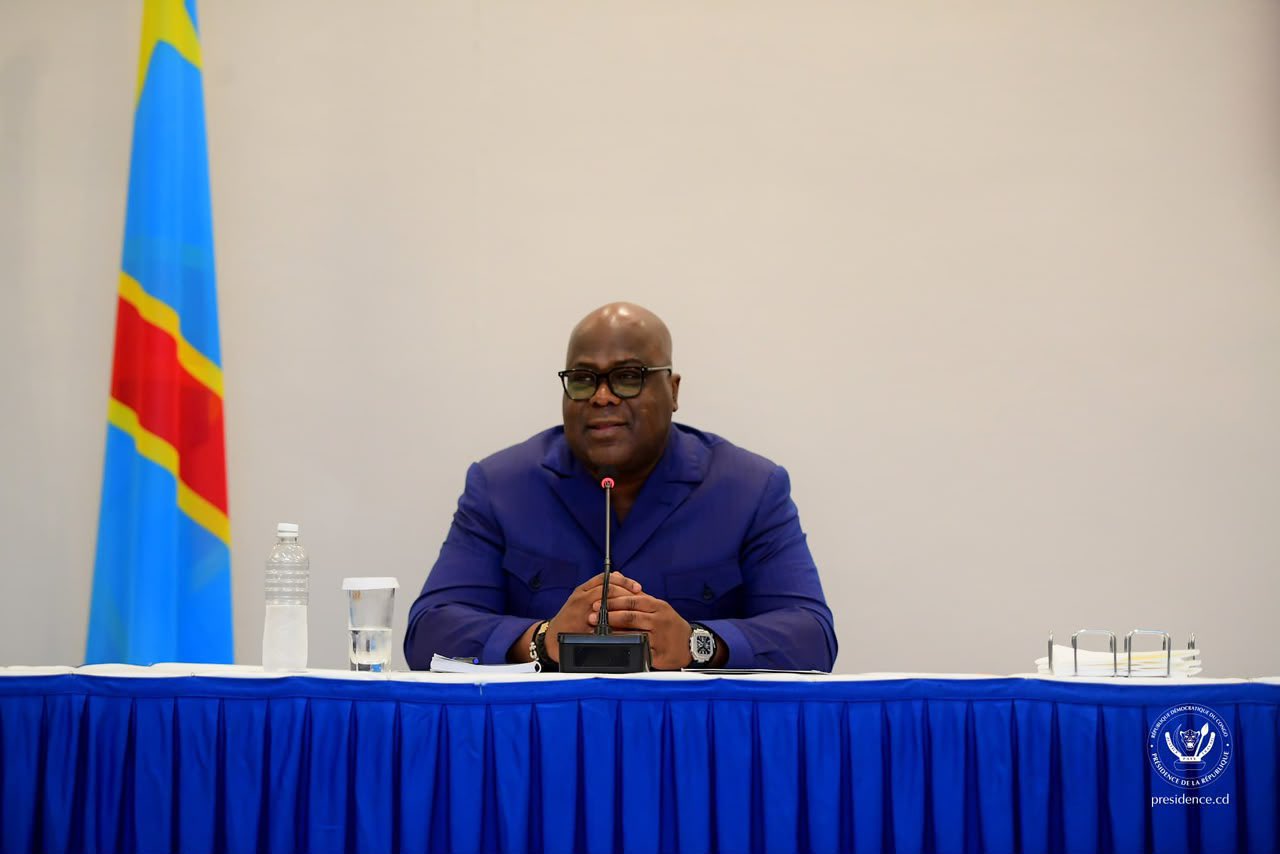
DR Congo: Tshisekedi's Constitutional Reform Remarks Spark Debate
underscores his demand for accountability and potential mismanagement, directly targeting the Minister of ESU. This action highlights a significant move by the legislative branch to exercise its oversight functions over the executive.
This development is legally significant as it demonstrates the robust oversight powers of the National Assembly in the DRC over government ministries and public officials. For legal practitioners, it signals a heightened focus on transparency and accountability in public finance, particularly within sectors handling substantial public or quasi-public funds. Parliamentary inquiries can lead to formal legal proceedings, administrative sanctions, or significant political repercussions, making this a critical event for those advising public sector entities or officials. The outcome of this matter, including any specific sanctions or findings, is not yet reported in the excerpt.
The legal context for this action is rooted in the Constitution of the DRC, which grants the National Assembly powers of control and oversight over the government (Article 100). Parliamentary inquiry commissions are a key mechanism for exercising this constitutional mandate. The call for sanctions implies potential breaches of public finance laws, administrative regulations, or even criminal statutes, depending on the findings of the commission. The Minister of ESU, as a public official, is subject to these accountability mechanisms. Key parties involved include National Deputy André Mushongo Mashara, the National Assembly, the parliamentary inquiry commission, and the Minister of Higher and University Education.
Attorneys advising public officials, government ministries, or entities involved in public finance in the DRC should closely monitor the progress and findings of this parliamentary inquiry. This event underscores the critical importance of strict adherence to public finance laws, transparent financial management, and robust internal controls within all government departments. Businesses operating in sectors regulated by ministries under scrutiny should also be aware of the potential for policy shifts or increased regulatory enforcement that may arise from such investigations. Ensuring comprehensive compliance and preparedness for potential scrutiny is paramount for all stakeholders.
How does this affect you?
Get an AI analysis of this article grounded in your jurisdictions, practice areas, and any policy documents you've uploaded to Wansom.
Finish Reading the Full Story and the Expert Analysis.
Wansom is AI and can make mistakes.