
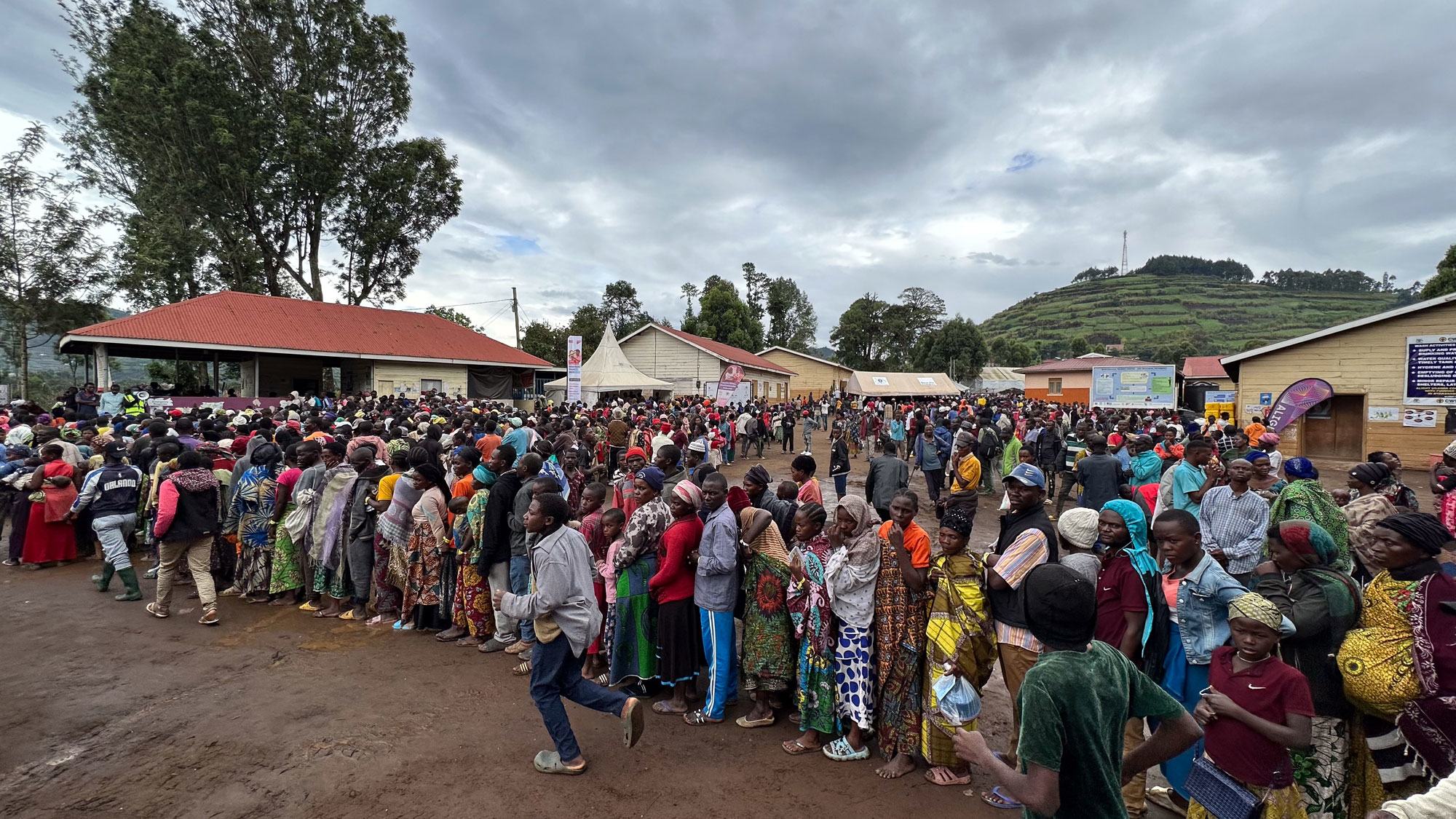
RDC, Tanzanie, HCR: Tripartite Meeting Defines Retour Réfugiés Conditions
Summary
- The 8th tripartite meeting between the Democratic Republic of Congo (RDC), Tanzania, and the United Nations High Commissioner for Refugees (HCR) commenced on August 25, 2026.
- The discussions are taking place in Lubumbashi, Haut-Katanga, to address the situation of Congolese refugees in Tanzania.
- The primary focus is on establishing conditions for the voluntary, secure, and dignified return of these refugees.
- The meeting concerns the potential repatriation of over 85,000 Congolese refugees currently residing in Tanzania.
Key Discussions Underway
A fundamental principle guiding all parties — the RDC, Tanzania, and the HCR — is the absolute necessity that any return must be entirely voluntary, aligning with established international refugee law and humanitarian standards.
A pivotal eighth tripartite meeting, bringing together representatives from the Democratic Republic of Congo (RDC), Tanzania, and the United Nations High Commissioner for Refugees (HCR), commenced on Tuesday, August 25, 2026. The significant gathering is taking place in Lubumbashi, a key city within the Haut-Katanga province, signaling the importance of the discussions for the region. This high-level forum has been specifically convened to address the complex and sensitive issue of Congolese refugees who have sought asylum and currently reside in Tanzania.
The primary objective of the agenda is to meticulously define and agree upon the necessary conditions that will facilitate a structured and successful return of these individuals to their home country. Such collaborative engagements are fundamental in international efforts to manage and resolve large-scale displacement, highlighting the shared responsibility of host nations, countries of origin, and international humanitarian organizations like the HCR in finding durable solutions for displaced populations. The deliberations are expected to lay a robust framework for future actions, emphasizing cooperation and mutual understanding among the participating entities.
Focus on Voluntary and Dignified Repatriation
At the core of the ongoing discussions lies the critical task of establishing comprehensive conditions for the repatriation process concerning Congolese refugees from Tanzania. A fundamental principle guiding all parties — the RDC, Tanzania, and the HCR — is the absolute necessity that any return must be entirely voluntary, aligning with established international refugee law and humanitarian standards. This commitment ensures that individuals are not coerced but make informed decisions about their future.
Beyond the voluntary aspect, the talks are delving deeply into how to guarantee a secure environment for those returning to the Democratic Republic of Congo. This involves assessing and mitigating potential security risks, ensuring safe passage, and establishing mechanisms for protection upon their arrival and reintegration into communities. Furthermore, considerable attention is being paid to ensuring a dignified return, which encompasses providing adequate support for reintegration, access to essential services such as healthcare and education, and upholding human rights throughout the entire journey. These detailed considerations are paramount for fostering trust and enabling a sustainable and humane transition for the thousands of individuals involved, recognizing their inherent rights and needs.
Addressing a Significant Refugee Population
The tripartite discussions carry immense weight, directly impacting the lives and futures of a substantial displaced community. Specifically, the deliberations are focused on the potential return of more than 85,000 Congolese refugees who have found refuge in Tanzania. This considerable population figure underscores the profound humanitarian challenge at the heart of the current meeting in Lubumbashi.
The collaborative framework, which unites the RDC, Tanzania, and the HCR, is indispensable for orchestrating such a large-scale repatriation effort effectively, humanely, and with long-term sustainability in mind. Successfully managing the return of tens of thousands of people demands meticulous planning, robust coordination among all stakeholders, and the strategic allocation of resources to support reintegration. The outcomes of these crucial talks will therefore have far-reaching implications, not only for the individual refugees but also for regional stability and the broader humanitarian landscape, marking a pivotal moment in addressing a protracted displacement crisis that has affected countless lives.
Source
Source: Original reporting via source
How does this affect you?
Get an AI analysis of this article grounded in your jurisdictions, practice areas, and any policy documents you've uploaded to Wansom.
Wansom is AI and can make mistakes.