
DR Congo: Summons Ugandan Ambassador Over Army Chief's Support for FRN
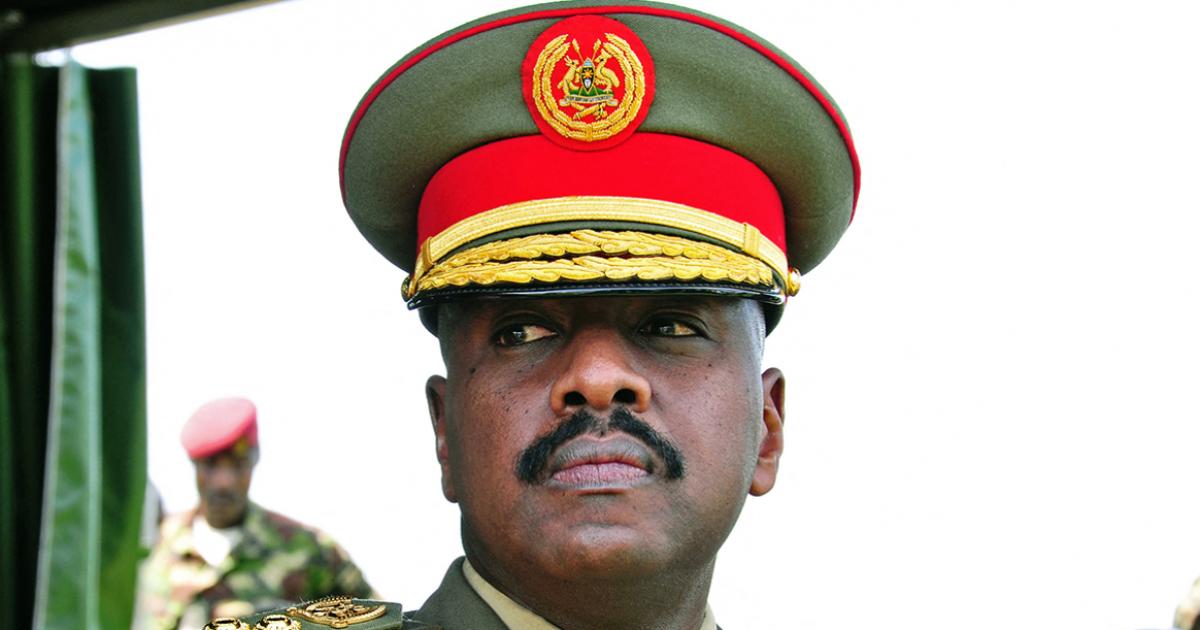
On November 25, 2026, the Democratic Republic of Congo's (DRC) Ministry of Foreign Affairs, led by Thérèse Kayikwamba, summoned Uganda's Ambassador to the DRC for explanations regarding recent social media messages from the Ugandan army chief supporting the FRN of Kabila. This diplomatic action signifies a formal expression of concern by the DRC government over what it perceives as interference or inappropriate conduct by a high-ranking official from a neighboring state. The summoning indicates a serious diplomatic incident, requiring immediate clarification and potentially further action depending on the response received from the Ugandan envoy. The specific content and implications of the Ugandan army chief's messages on X (formerly Twitter) are central to the DRC's grievance, suggesting a perceived breach of diplomatic norms or international principles of non-interference.
This incident carries significant legal and political implications for practitioners, businesses, and the public in both the DRC and Uganda, as well as for regional stability. For legal professionals, it highlights the delicate balance of international relations and state sovereignty, particularly concerning the principle of non-interference in the internal affairs of other states, which is a cornerstone of international law. Such diplomatic tensions can impact bilateral trade agreements, cross-border security cooperation, and the overall investment climate. Businesses operating in either country, especially those with cross-border interests, may face increased political risk and uncertainty, necessitating a re-evaluation of their operational strategies and risk mitigation measures.
The legal context for this diplomatic summons primarily rests on principles of international law, including the Vienna Convention on Diplomatic Relations (1961), which governs the conduct of diplomatic missions and their personnel. While the act of summoning an ambassador is a standard diplomatic tool, the underlying issue touches upon the fundamental principle of non-intervention in the internal affairs of other states, enshrined in Article 2(7) of the UN Charter and customary international law. Support for a political or armed group in a sovereign state by a foreign state official, even through social media, can be interpreted as a violation of this principle. The DRC's foreign ministry is acting within its sovereign right to seek clarification and address perceived breaches of international norms. The outcome of this specific diplomatic engagement, including any formal responses or subsequent actions by either government, is not yet reported.
The key parties involved in this diplomatic development are the Ministry of Foreign Affairs of the Democratic Republic of Congo, represented by Minister Thérèse Kayikwamba, and the Ambassador/Head of Mission of Uganda to the DRC. The actions of the unnamed Ugandan army chief, through his messages on X, are the precipitating factor, and the
How does this affect you?
Get an AI analysis of this article grounded in your jurisdictions, practice areas, and any policy documents you've uploaded to Wansom.
Finish Reading the Full Story and the Expert Analysis.
Get the latest legal & regulatory intelligence in DR Congo
Wansom is AI and can make mistakes.