
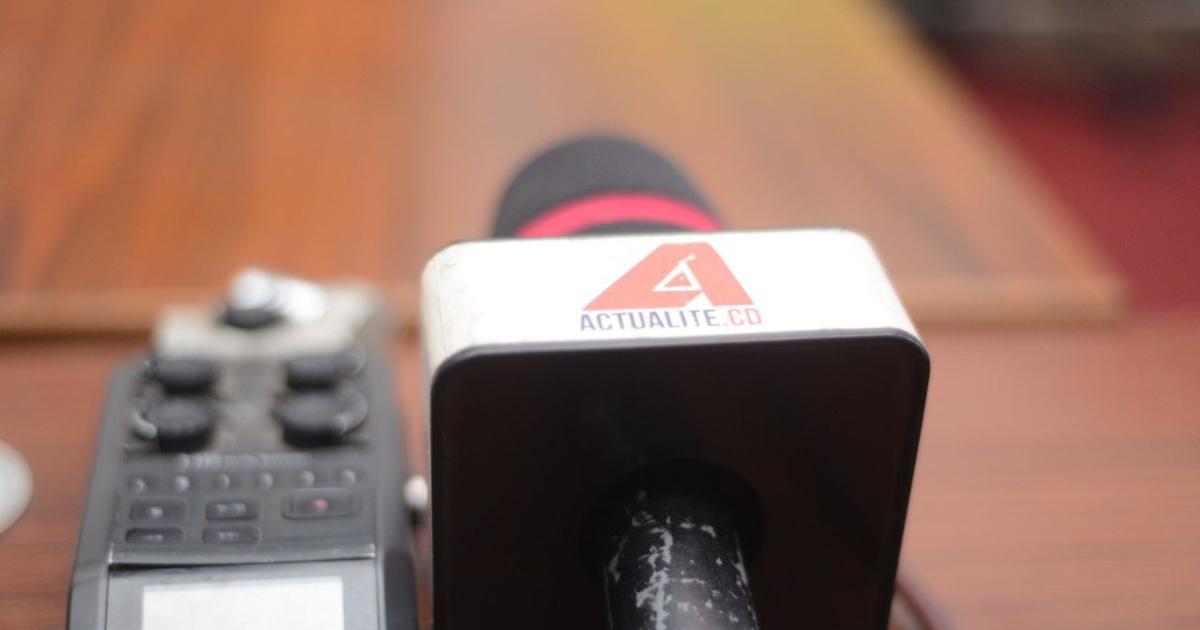
DR Congo: RSF Denounces CSAC Media Restrictions on FRN Coverage
In the Democratic Republic of Congo, on October 22, 2026, Reporters Sans Frontières (RSF) denounced the disproportionate nature of restrictions imposed by the Conseil Supérieur de l’Audiovisuel et de la Communication (CSAC) on media outlets regarding coverage of the conflict in the East of the DRC, specifically the interdiction to give a platform to the Front de Résistance Nationale (FRN).
This development is highly significant for media practitioners, human rights lawyers, and civil society organizations in the DRC, as it directly impacts freedom of the press and the public's right to information, particularly concerning sensitive national security issues. The CSAC's threat of sanctions against media professionals for interviewing or giving a voice to the FRN raises serious concerns about censorship and the potential for arbitrary restrictions on journalistic work, which could stifle critical reporting and limit diverse perspectives on the ongoing conflict. Such actions can erode public trust in media and hinder efforts to understand complex situations.
The legal framework governing media in the DRC includes constitutional provisions guaranteeing freedom of expression and the press, such as Article 23 of the Constitution, which states that "Everyone has the right to freedom of expression. This right implies freedom to hold opinions and to receive or impart information and ideas without interference by public authority and regardless of frontiers." However, these rights are often balanced against national security concerns. The CSAC, as the regulatory body for audiovisual and communication, operates under specific laws and decrees that define its powers to regulate media content and impose sanctions. The challenge here lies in whether the CSAC's actions align with the principles of necessity and proportionality as required by international human rights law and the DRC's own constitutional guarantees.
The primary parties involved are Reporters Sans Frontières (RSF), an international non-governmental organization advocating for press freedom; the Conseil Supérieur de l’Audiovisuel et de la Communication (CSAC), the regulatory body for media in the DRC; and the Front de Résistance Nationale (FRN), the group whose voice is being restricted. The media outlets, journalists, presenters, and producers are also key stakeholders, as they are the direct targets of the CSAC's threatened sanctions. The ongoing conflict in the East of the DRC provides the broader context for these restrictions, highlighting the delicate balance between national security and fundamental freedoms.
Attorneys advising media organizations, journalists, or human rights groups in the DRC should closely monitor the CSAC's enforcement actions and any further pronouncements regarding media coverage of the conflict. They should be prepared to challenge disproportionate restrictions based on constitutional rights to freedom of expression and international human rights standards. Businesses operating in the media sector should review their editorial policies and ensure compliance while also understanding their rights to push back against undue censorship. The outcome of any potential legal challenges to the CSAC's directive is not yet reported, but the situation underscores the ongoing tension between state security interests and press freedom in the region.
How does this affect you?
Get an AI analysis of this article grounded in your jurisdictions, practice areas, and any policy documents you've uploaded to Wansom.
Finish Reading the Full Story and the Expert Analysis.
Get the latest legal & regulatory intelligence in DR Congo
Wansom is AI and can make mistakes.