
DR Congo: Over 10,000 Gender-Based Violence Cases Recorded in Ituri Since 2026
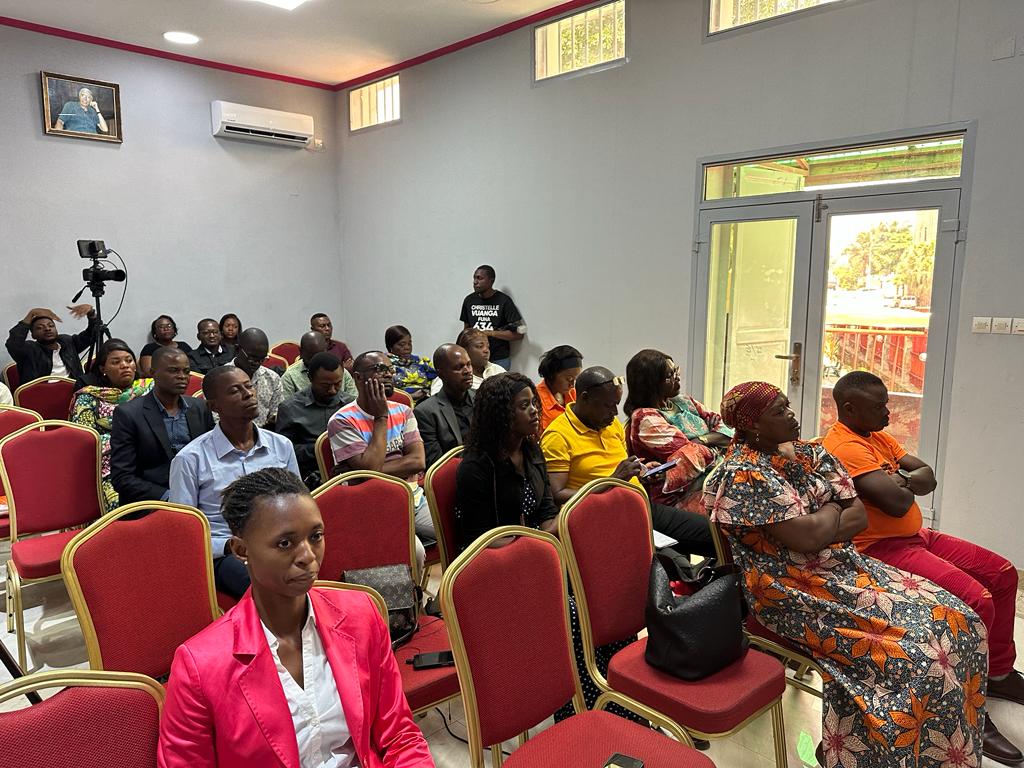
Over 10,000 cases of gender-based violence (GBV) have been recorded in Ituri, Democratic Republic of Congo, since the start of 2026, following over 20,000 cases in 2025, as announced by the Provincial Division of Gender, Family, and Children on Tuesday, October 14th, during a forum in Bunia. This alarming statistic highlights the persistent challenges faced by women in the region, exacerbated by recurrent armed conflicts and socio-cultural pressures that undermine their rights. The data presented also revealed a critical underrepresentation of women in local governance, with their participation in decision-making bodies not exceeding 10% provincially and dropping to a mere 3% in local security committees, thereby limiting their influence on conflict prevention and resolution.
The legal significance of these figures lies in their stark illustration of the ongoing crisis of GBV and the systemic barriers to women's empowerment in Ituri. For legal practitioners, these statistics underscore the urgent need for robust legal interventions and advocacy to protect victims and hold perpetrators accountable. The low participation of women in governance, particularly in security committees, directly contravenes principles of inclusive peacebuilding and gender equality, suggesting a need for legal reforms or stricter enforcement of existing provisions aimed at increasing women's representation. The adoption of an action plan based on UN Security Council Resolution 1325 signals a commitment to addressing these issues, but its effectiveness will depend on concrete implementation and legal backing.
The legal context for addressing GBV in the DRC is primarily governed by national laws, including the Penal Code and specific legislation on combating gender-based violence, as well as international human rights instruments to which the DRC is a signatory. UN Security Council Resolution 1325, which emphasizes the importance of women's participation in peace and security, provides a crucial international framework. The Provincial Division of Gender, Family, and Children, as the reporting authority, operates within the broader Ministry of Gender, Family, and Children, tasked with implementing policies related to gender equality and child protection. The involvement of MONUSCO in supporting local initiatives also points to the complex interplay between national efforts and international peacekeeping mandates in addressing such crises.
The key parties involved include the Provincial Division of Gender, Family, and Children, which collected and disseminated the data, and the participants of the forum on peace, security, and development, who adopted the action plan. MONUSCO's support for local initiatives is also a significant factor. The broader context involves the Congolese government, responsible for enacting and enforcing laws, and the international community, through bodies like the UN Security Council, which sets international norms and resolutions. The women of Ituri, as both victims and agents of change, are central to this narrative.
Practitioners and businesses should monitor the implementation of the provincial action plan derived from Resolution 1325. This includes tracking legislative or policy changes aimed at increasing women's participation in governance and security structures, as well as monitoring judicial responses to GBV cases. Businesses operating in Ituri should be aware of their corporate social responsibility obligations and the potential reputational risks associated with operating in an environment with high levels of GBV. Attorneys should be prepared to assist victims in accessing justice and advocate for stronger legal protections and enforcement mechanisms. The effectiveness of local initiatives supported by MONUSCO also warrants attention as potential models for broader application.
How does this affect you?
Get an AI analysis of this article grounded in your jurisdictions, practice areas, and any policy documents you've uploaded to Wansom.
Finish Reading the Full Story and the Expert Analysis.
Get the latest legal & regulatory intelligence in DR Congo
Wansom is AI and can make mistakes.