
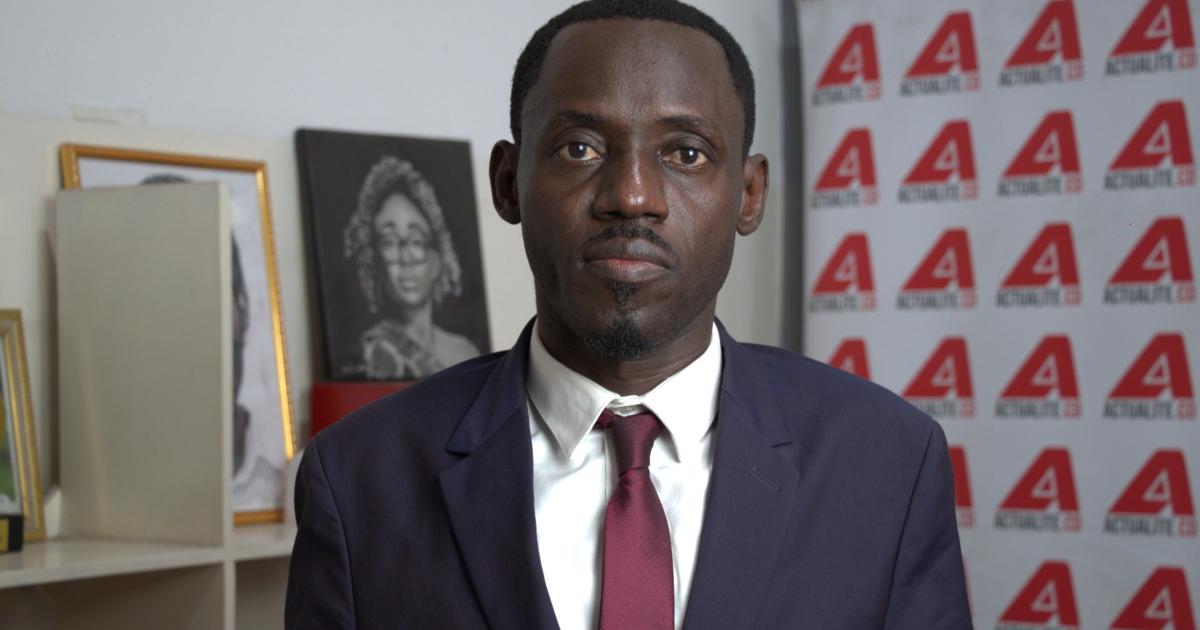
Prince Epenge Located CNC Kinshasa: DRC Opposition Figure Detained
Summary
- Opposition figure Prince Epenge was located at the Centre National de Renseignement (CNC) in Kinshasa.
- His passport had been confiscated, preventing his planned travel to Rome, Italy.
- Mr. Epenge was scheduled to attend a conclave of the Coalition Article 64 for the Defense of Constitutional Order (C64).
- The incident, reported on October 26, 2026, highlights potential restrictions on political freedoms and movement for opposition figures in the DRC.
What Happened
This incident contributes to a pattern that lawyers and compliance officers should monitor, as it signals potential restrictions on political freedoms and movement for opposition figures in the DRC, which could impact human rights advocacy or risk assessments for individuals involved in political activities.
An opposition figure, Prince Epenge, was recently located at the Centre National de Renseignement (CNC) in Kinshasa. This development follows an incident where Mr. Epenge's passport was confiscated, effectively preventing his planned travel to Rome, Italy. The incident, reported on October 26, 2026, highlights a restriction on the movement of a prominent political personality within the Democratic Republic of Congo.
Mr. Epenge had intended to participate in a crucial conclave organized by the Coalition Article 64 for the Defense of Constitutional Order (C64). This gathering, scheduled to take place in the Italian capital, was a significant event for the opposition movement. The confiscation of his travel document and subsequent location at the CNC underscore a direct impediment to his political activities and international engagement.
Context of Political Freedoms
The reported circumstances surrounding Prince Epenge, an opposition figure in the Democratic Republic of Congo, raise significant questions regarding political rights and the freedom of movement for dissenting voices. The prevention of an individual from attending an international political gathering, coupled with the confiscation of their passport, can be interpreted as a measure to curtail opposition activities. Such actions can have a chilling effect on political discourse and the ability of opposition groups, like the Coalition Article 64, to organize and advocate for their objectives. The fact that an opposition figure like Prince Epenge was located at the CNC, a national intelligence center, suggests a form of administrative detention or close monitoring, which is a critical aspect of DRC opposition figure detention concerns.
In the broader context of Kinshasa political rights, the restriction of movement for a figure like Prince Epenge sends a strong signal about the operational space available to those challenging the established order. The Coalition Article 64, dedicated to upholding constitutional principles, relies on the ability of its members to convene and strategize, both domestically and internationally. Impeding such participation, particularly through the confiscation of essential travel documents and the implied detention, directly impacts the group's capacity to function effectively and to contribute to the defense of constitutional order. This incident contributes to a pattern that lawyers and compliance officers should monitor, as it signals potential restrictions on political freedoms and movement for opposition figures in the DRC, which could impact human rights advocacy or risk assessments for individuals involved in political activities.
Broader Implications
The incident involving Prince Epenge carries broader implications for the political landscape and human rights in the Democratic Republic of Congo. The restriction of an opposition figure's ability to travel internationally for political engagement not only affects the individual but also undermines the principles of free association and expression. When a passport is confiscated and an individual is located at a national intelligence center, it suggests a deliberate effort to control political dissent and limit the reach of opposition movements.
This situation is particularly relevant for those monitoring the state of democracy and human rights in the DRC. The ability of opposition figures to participate in conclaves, such as the one organized by the Coalition Article 64, is fundamental to a healthy political ecosystem. Such gatherings provide platforms for strategizing, building consensus, and presenting alternative viewpoints. Any action that obstructs this process, especially through state apparatus, can be seen as a move to stifle legitimate political opposition and could impact human rights advocacy or risk assessments for individuals involved in political activities. The reported events surrounding Prince Epenge located at the CNC Kinshasa serve as a critical indicator of the challenges faced by political actors seeking to exercise their fundamental rights.
Practical Implications
Lawyers and compliance officers should monitor this development as it signals potential restrictions on political freedoms and movement for opposition figures in the DRC, which could impact human rights advocacy or risk assessments for individuals involved in political activities.
Source
How does this affect you?
Get an AI analysis of this article grounded in your jurisdictions, practice areas, and any policy documents you've uploaded to Wansom.
Finish Reading the Full Story and the Expert Analysis.
Wansom is AI and can make mistakes.