
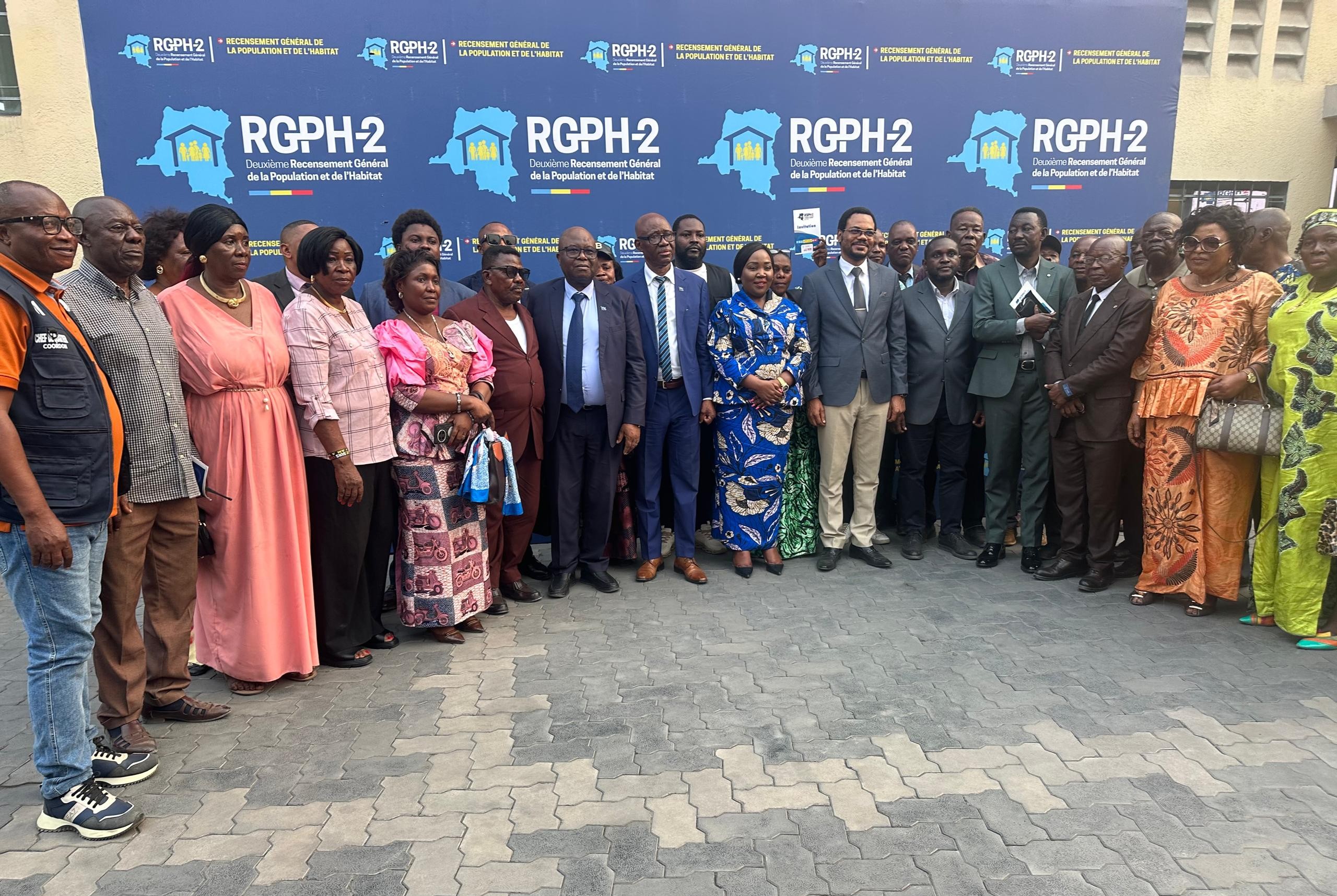
BCR, INS: RDC RGPH-2 Sensibilisation Autorités Locales Sécurité
Summary
- A sensitization meeting was held in Kinshasa on Thursday, September 24, for local authorities and security services regarding their roles in the upcoming RGPH-2.
- The meeting was led by Henri Marie Kazadi Mutombo of the BCR and Elysée Chovu Alima of the INS.
- The second General Population and Housing Census (RGPH-2) is the first in over 42 years and is currently in its preparatory phase.
- The preparatory phase includes census mapping, tests, recruitment, training, and sensitization, with mapping currently deployed in Kinshasa.
- Local authorities and security agencies were urged to secure census agents and materials and manage field challenges while respecting their missions.
Mobilizing for the Upcoming Census
The success of the Recensement général population habitat RDC hinges significantly on this collaborative effort, ensuring that the integrity of the data collection process is maintained and that census teams can operate safely and effectively across the vast territory.
On Thursday, September 24, a crucial sensitization meeting took place in Kinshasa, hosted at the amphitheater of the Catholic University of Congo. This gathering brought together key figures from the national statistical and census bodies with local administrative and security leadership. Henri Marie Kazadi Mutombo, who serves as the National Coordinator for the Central Census Bureau (BCR), alongside Elysée Chovu Alima, the Director General of the National Institute of Statistics (INS), led the discussions.
The primary objective of the session was to inform and engage mayors (bourgmestres), neighborhood chiefs, and representatives from critical security agencies, including the National Intelligence Agency (ANR), the Congolese National Police, and the Directorate General of Migration (DGM). The focus was squarely on delineating their essential responsibilities in the successful execution of the second General Population and Housing Census (RGPH-2) across the Democratic Republic of Congo. This initiative underscores the significant role of local authorities and security services in the RDC RGPH-2 sensibilisation efforts.
The DRC's Long-Awaited Census
The upcoming RGPH-2 represents a monumental undertaking for the Democratic Republic of Congo, marking the first comprehensive population and housing count in over four decades. As Henri Marie Kazadi Mutombo highlighted during the Kinshasa meeting, the nation's demographic data has remained largely unchanged for more than 42 years, necessitating an updated "photograph" of its populace. This extensive project is structured into four distinct stages: an initial preliminary phase, followed by a preparatory phase, then the general enumeration, and finally, a post-enumeration phase.
Currently, the RGPH-2 is actively engaged in its preparatory phase, a critical period that involves several key activities. These include the deployment of census mapping operations, particularly notable in Kinshasa, alongside the execution of various tests, the recruitment of personnel, extensive training programs, and ongoing sensitization campaigns. The overarching goal of this preparatory stage is to meticulously identify and define the geographical areas that will be covered by field teams, thereby laying the groundwork for the subsequent general enumeration of the population and habitat in the RDC.
Critical Roles for Local Authorities and Security
A central theme of the sensitization event was the indispensable role of local authorities and security services in guaranteeing the smooth and secure progression of the census. Elysée Chovu Alima, the INS Director General, issued a direct appeal to all involved parties, urging them to support the census operations with strict adherence to their respective mandates. This includes actively contributing to the security of census agents and their equipment, as well as proactively preventing and managing any potential challenges that may arise in the field.
The emphasis on security for census personnel and materials, coupled with the management of on-the-ground issues, highlights the critical intersection of public administration, law enforcement, and data collection. The success of the Recensement général population habitat RDC hinges significantly on this collaborative effort, ensuring that the integrity of the data collection process is maintained and that census teams can operate safely and effectively across the vast territory. This focus on security and local engagement is paramount for the overall success of the RGPH-2, particularly during the ongoing preparatory phase.
Practical Implications
Lawyers should advise clients operating in DRC on potential compliance obligations and interactions with local authorities and security services during the upcoming RGPH-2, particularly regarding data collection, access to premises, and ensuring the security of census operations. This preparatory phase signals increased activity and potential legal questions related to data privacy or property access for census agents.
Source
How does this affect you?
Get an AI analysis of this article grounded in your jurisdictions, practice areas, and any policy documents you've uploaded to Wansom.
Finish Reading the Full Story and the Expert Analysis.
Get the latest legal & regulatory intelligence in DR Congo
Wansom is AI and can make mistakes.