
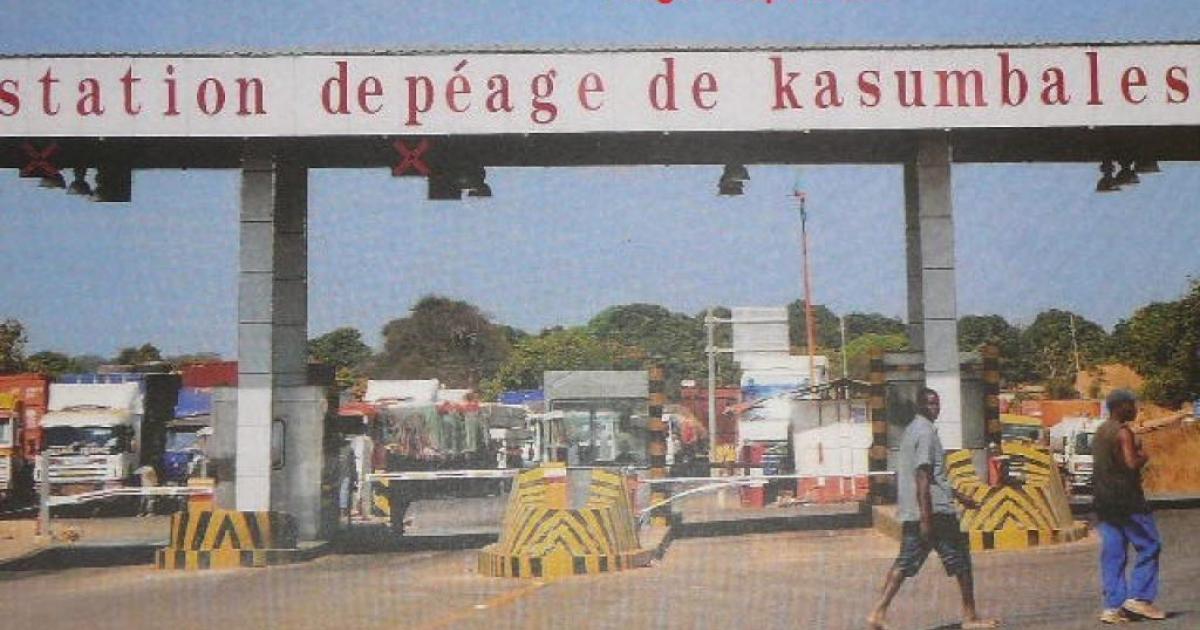
Assemblée Nationale RDC: Établit la Commission d'Enquête Concessions Routières
Summary
- The National Assembly of the Democratic Republic of Congo has adopted a resolution to create a parliamentary inquiry commission.
- This commission will investigate the management, financial transparency, and legal compliance of road concessions and toll posts in the RDC.
- The inquiry aims to enhance oversight and accountability within the nation's critical infrastructure sector.
- The initiative reflects the legislature's commitment to good governance and ethical practices in public contracts.
What Happened
The establishment of this RDC commission enquête concessions routières signals a heightened level of scrutiny over a critical sector of the national economy.
The national deputies of the Democratic Republic of Congo recently took a decisive step to enhance oversight within the nation's infrastructure sector. Through a formal vote, they adopted a draft resolution leading to the immediate establishment of a specialized parliamentary inquiry commission. This action, originating from the Assemblée nationale, underscores a legislative commitment to scrutinize critical public services.
This newly mandated commission is specifically tasked with a thorough examination of road concessions and the operational aspects of toll posts across the vast territory of the RDC. The resolution sets a clear agenda for an in-depth investigation into these vital components of the country's transportation network, signaling a period of intense legislative review.
Mandate of the Inquiry
The RDC commission enquête concessions routières has been given a comprehensive mandate, focusing on three core areas. Firstly, it will meticulously investigate the management practices associated with these road concessions, delving into how these agreements are administered and executed. This includes an assessment of operational efficiency and adherence to contractual obligations.
Secondly, a crucial component of the inquiry involves a deep dive into the financial transparency concessions RDC. The commission will scrutinize all monetary flows, revenue collection, expenditure, and accounting procedures related to these concessions, aiming to ensure that all financial dealings are clear, auditable, and free from irregularities. This focus on financial probity is paramount for public trust.
Finally, the commission will assess the legal compliance postes péage Congo, verifying that the establishment and operation of all toll posts strictly adhere to the existing national laws and regulatory frameworks. This includes examining the legality of tariffs, the terms of concession agreements, and any other relevant statutes governing infrastructure development and public-private partnerships in the country. The broad scope of this inquiry by the Assemblée nationale RDC péages highlights a concerted effort to uphold legal standards and accountability.
Legal and Governance Context
The decision by the Assemblée nationale to initiate this inquiry into the gestion concessions routières RDC is a direct exercise of its constitutional powers. As the legislative body, the National Assembly holds a fundamental role in overseeing the executive branch and ensuring the proper management of public resources and contracts. Parliamentary commissions of inquiry serve as powerful tools for this oversight, allowing for detailed investigations into matters of national importance.
Such initiatives are critical for fostering good governance and accountability within any democratic framework. By scrutinizing areas like financial transparency concessions RDC and legal compliance postes péage Congo, the legislature aims to identify potential weaknesses in existing systems, expose any malpractices, and ultimately recommend reforms that strengthen the integrity of public infrastructure projects. This proactive approach helps to safeguard public funds and ensure that development initiatives genuinely serve the interests of the Congolese population.
The integrity of road infrastructure projects, often involving significant public and private investment, hinges on robust legal frameworks and unwavering financial transparency. Without these safeguards, there is an increased risk of mismanagement, corruption, and a failure to deliver essential services effectively. Therefore, the Assemblée nationale's focus on these aspects is not merely procedural but fundamental to the sustainable development and economic stability of the RDC.
Why It Matters
The establishment of this RDC commission enquête concessions routières signals a heightened level of scrutiny over a critical sector of the national economy. Road infrastructure is the backbone of economic activity, facilitating trade, connecting communities, and enabling access to essential services. Any inefficiencies or irregularities in the gestion concessions routières RDC can have far-reaching negative effects on the populace and the national economy.
This parliamentary initiative signals a clear intent from the Assemblée nationale RDC péages to address potential issues that could undermine public confidence and hinder future development. By thoroughly investigating the financial transparency concessions RDC and legal compliance postes péage Congo, the commission has the potential to uncover systemic problems, leading to recommendations for stronger regulatory mechanisms, improved contractual terms, and enhanced oversight protocols. Such reforms are vital for attracting further investment and ensuring equitable development.
Ultimately, this inquiry represents a significant step towards reinforcing accountability and promoting ethical practices within the public sector. The findings and subsequent recommendations from this commission could set new precedents for how large-scale infrastructure projects are managed and monitored in the Democratic Republic of Congo, fostering a more transparent and legally compliant environment for all stakeholders involved in the nation's development.
Practical Implications
Lawyers advising clients involved in road concessions or toll post operations in the DRC should immediately review their compliance frameworks and financial transparency practices. This parliamentary inquiry signals increased scrutiny and potential legal or regulatory actions, necessitating proactive risk assessment and preparation for possible investigations or audits.
Source
How does this affect you?
Get an AI analysis of this article grounded in your jurisdictions, practice areas, and any policy documents you've uploaded to Wansom.
Finish Reading the Full Story and the Expert Analysis.
Get the latest legal & regulatory intelligence in DR Congo
Wansom is AI and can make mistakes.