
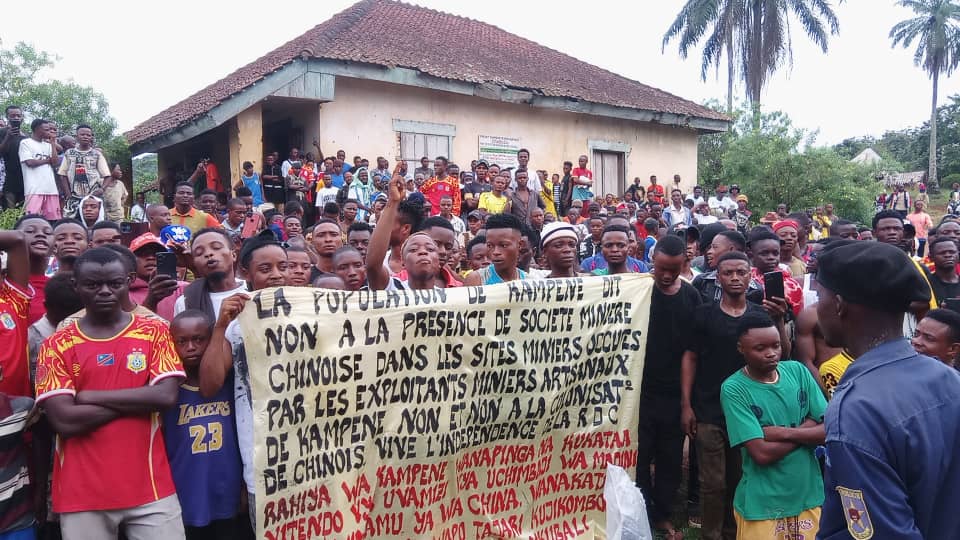
DR Congo: Kampene Protests Alleged Illegal Chinese Mining Operations
On Monday, October 5, a "ville morte" protest was observed in Kampene, Pangi territory, Maniema, Democratic Republic of Congo, organized by civil society and artisanal mining cooperatives to denounce the alleged illicit occupation of several mining sites by Chinese companies Femetal Mining and Consortium. This significant event saw businesses, shops, and markets remain closed, reflecting a strong community stance against perceived illegal mining activities.
This protest carries substantial legal significance for practitioners, businesses, and the public in the DRC's mining sector. It underscores the persistent tensions between local communities, particularly artisanal miners, and large-scale foreign mining operations regarding land rights, environmental impact, and compliance with the country's mining laws. For mining companies, such community actions represent significant operational risks, including disruptions to activities, reputational damage, and potential legal challenges to their concessions. It highlights the critical importance of securing and maintaining a robust social license to operate, which extends beyond mere legal compliance to encompass genuine community engagement and benefit-sharing. For the government, it signals ongoing challenges in enforcing mining regulations, managing resource allocation equitably, and resolving disputes between different stakeholders.
The legal context for this situation is primarily rooted in the Democratic Republic of Congo's Mining Code (Law No. 007/2002, as amended by Law No. 18/001 of 2018) and its implementing regulations. These laws govern the allocation of mining rights, environmental protection, community development obligations, and the specific framework for artisanal mining zones. The accusation of "illicit occupation" suggests potential breaches of concession agreements, environmental permits, or land tenure laws, which could lead to administrative sanctions or legal proceedings. The protest itself falls under the constitutional rights to freedom of assembly and expression, though these must be exercised within legal bounds. Key parties involved include the protesting civil society organizations and artisanal mining cooperatives, the accused Chinese companies Femetal Mining and Consortium, and implicitly, the provincial and national mining authorities responsible for oversight and enforcement.
Practitioners advising mining companies in the DRC should prioritize comprehensive due diligence on land tenure, community relations, and social impact assessments, ensuring strict adherence to the Mining Code and environmental regulations. Developing and implementing robust stakeholder engagement strategies, including transparent communication and effective grievance mechanisms, is crucial to mitigate operational risks stemming from community grievances. For attorneys representing local communities or artisanal miners, this event underscores the importance of leveraging legal avenues to challenge perceived illegal operations and advocate for their clients' rights within the existing legal framework. All parties should closely monitor local sentiment and engage proactively to prevent escalation. The excerpt does not report on the outcome of this specific protest or any subsequent legal actions that may have been initiated.
How does this affect you?
Get an AI analysis of this article grounded in your jurisdictions, practice areas, and any policy documents you've uploaded to Wansom.
Finish Reading the Full Story and the Expert Analysis.
Get the latest legal & regulatory intelligence in DR Congo
Wansom is AI and can make mistakes.