
DR Congo Justice Minister: Identifies Access to Justice Gaps in Kwango, Kwilu
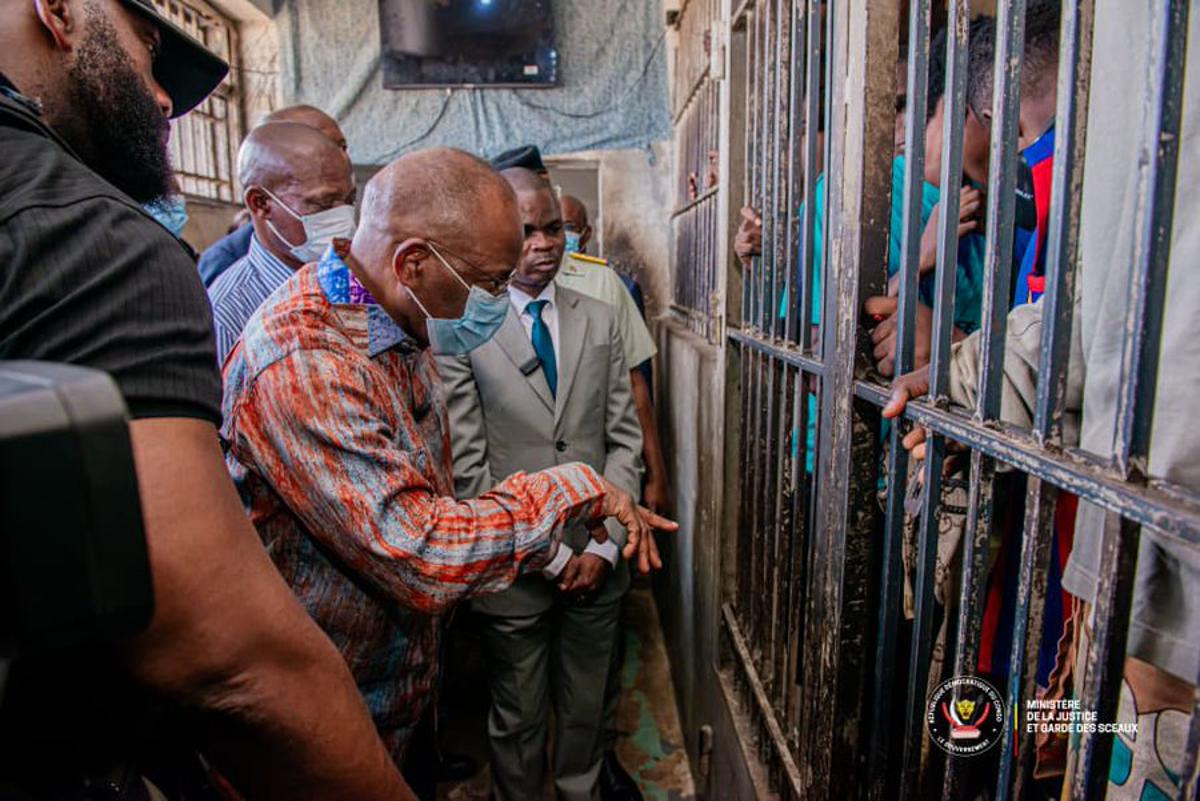
On November 15, 2026, the Minister of State, Minister of Justice and Keeper of the Seals, Guillaume Ngefa, concluded a tour in the Kwango and Kwilu provinces of the Democratic Republic of Congo, where he identified significant challenges regarding access to justice in remote territories. During his visit to Idiofa, Kwilu, Minister Ngefa highlighted several critical issues impeding access to justice, including the geographical remoteness of judicial institutions, a severe shortage of magistrates, the dilapidated state of road infrastructure, and a general lack of operational resources. These constraints, as noted by the minister, underscore the persistent difficulties in making justice accessible to populations in many interior regions of the country, who often must travel extensive distances to reach judicial services. His tour involved extensive discussions with state agents, administrative authorities, and judicial officials to gather their concerns regarding working conditions, remuneration, and the operational hurdles faced by judicial services in rural areas. The minister assured these stakeholders that their concerns would be escalated to the relevant governmental bodies for review and action.
This ministerial assessment carries substantial legal significance for the DRC, as it directly addresses fundamental constitutional rights related to access to justice and fair trial, particularly for vulnerable populations in underserved areas. The identified systemic deficiencies can lead to prolonged pre-trial detention, denial of legal representation, and an overall erosion of public trust in the judicial system. For legal practitioners, this situation highlights the practical difficulties in ensuring due process and timely resolution of cases, especially in criminal matters or disputes involving parties from remote regions. The minister's engagement, including his visit to the central prison in Idiofa to inquire about detention conditions and case processing delays, underscores the government's acknowledgment of these issues and its stated commitment to upholding justice as a public service and guarantor of fundamental rights and dignity.
The legal context for these observations is rooted in the Democratic Republic of Congo's Constitution, which enshrines the right to access justice and a fair trial, and the various organic laws governing the organization and functioning of the judiciary. The Minister of Justice, as the Keeper of the Seals, holds a pivotal role in overseeing the administration of justice and ensuring the effective implementation of legal frameworks. The challenges identified, such as insufficient magistrates and poor infrastructure, directly impact the capacity of the judicial system to fulfill its mandate under these laws. Key parties involved include Guillaume Ngefa, the Ministry of Justice, the judicial apparatus within the Kwango and Kwilu provinces, local state agents, administrative and judicial authorities, and the incarcerated individuals whose conditions were reviewed.
For attorneys and legal professionals practicing in the DRC, this report serves as a critical reminder of the operational realities and systemic barriers within the judicial system, particularly outside major urban centers. Practitioners should be prepared for potential delays in case proceedings, difficulties in serving documents, and challenges in securing timely court appearances or legal aid for clients in remote areas. It is imperative to monitor any subsequent governmental initiatives or reforms that may arise from the minister's findings, as these could lead to improvements in judicial infrastructure, increased resource allocation, or legislative changes aimed at enhancing access to justice. Businesses operating in these regions should also consider the implications for dispute resolution mechanisms and the enforcement of contracts, factoring in the potential for extended timelines and logistical complexities.
The outcome of any specific governmental action or reform stemming from this tour is not yet reported, but the minister's commitment to transmitting concerns to competent authorities suggests potential future policy developments.
How does this affect you?
Get an AI analysis of this article grounded in your jurisdictions, practice areas, and any policy documents you've uploaded to Wansom.
Finish Reading the Full Story and the Expert Analysis.
Get the latest legal & regulatory intelligence in DR Congo
Wansom is AI and can make mistakes.