
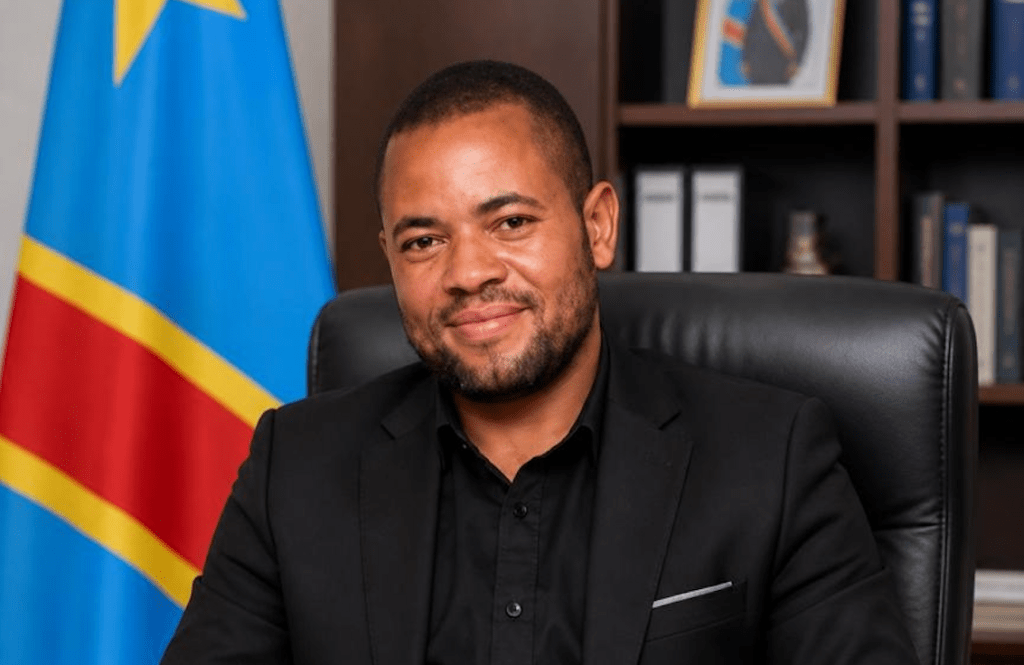
DR Congo Journalist Detained, Prosecuted for Sharing X Post On WhatsApp
Summary
- DRC journalist Trésor Muntu was detained on September 15 in Likasi, Haut-Katanga Province.
- He faces charges of defamation and publishing false news for sharing a WhatsApp post critical of a provincial vice-president.
- If convicted, Muntu could face up to five years in prison.
- The Committee to Protect Journalists has called for his immediate release, condemning the use of criminal defamation to silence critical reporting.
What Happened
This incident underscores the severe risks faced by journalists in the DRC, where criminal defamation and false news charges are actively enforced, even for content shared on private messaging platforms like WhatsApp.
Trésor Muntu, the director general of Centrale Radio Télévision, was taken into custody on September 15 in Likasi, an eastern city within Haut-Katanga Province of the Democratic Republic of Congo. Approximately twelve plainclothes officers, armed with an arrest warrant, detained Muntu as he was preparing to present the morning news. This information was reported by Lampadaire Média and corroborated by local journalist Clarisse Kisanga, who spoke to the Committee to Protect Journalists (CPJ).
Following his arrest, Muntu was initially transported to the Likasi police station. He was subsequently moved to a prosecutor's holding cell located in Lubumbashi, a city situated about 125 kilometers southeast of Likasi. The detention of the DRC journalist stemmed from his act of sharing a post across five WhatsApp groups.
The content shared by Muntu originated from Kinshasa-based journalist Patrick Lokala. This post specifically accused Lilianne Komba Maka, who serves as the vice-president of the Haut-Katanga provincial assembly, of leveraging her influence to protect her sister in connection with a land dispute. Komba Maka subsequently filed a defamation complaint, leading to Muntu's arrest.
Legal Context and Charges
On the same day as his detention, September 15, Trésor Muntu was brought before the public prosecutor's office. There, he was formally charged with both defamation and publishing false news. The following day, September 16, Muntu was transferred to Lubumbashi's Kasapa Central Prison, as confirmed by his lawyer, Jean Kizumba, to the CPJ.
These DRC criminal defamation and false news charges carry significant penalties. Should Muntu be found guilty, he faces the prospect of imprisonment for up to five years. This incident underscores the severe risks faced by journalists in the DRC, where criminal defamation and false news charges are actively enforced, even for content shared on private messaging platforms like WhatsApp.
Implications for Media Freedom
The Committee to Protect Journalists has strongly condemned Muntu's detention and subsequent prosecution. Angela Quintal, the CPJ Africa Director, explicitly called for Muntu's immediate release and urged authorities in the Democratic Republic of Congo to cease using the justice system as a tool to intimidate journalists.
This case highlights a broader concern regarding freedom of expression for DRC journalists. The CPJ emphasized the urgent necessity for authorities to discontinue the practice of employing criminal defamation laws to suppress critical reporting. Attempts by the CPJ to reach Lilianne Komba Maka and Max Mpande Kisimba, the Haut-Katanga Provincial Minister of Education and government spokesperson, for comment on the matter were unsuccessful.
The detention of Trésor Muntu and the charges he faces serve as a stark reminder of the precarious environment for media professionals in the region. It illustrates the potential for severe legal repercussions, including imprisonment, when journalists criticize political figures, even through the act of sharing content on widely used platforms like WhatsApp.
Practical Implications
This case underscores the severe risks of criminal defamation and false news charges for journalists and media professionals in the DRC, even for sharing content on platforms like WhatsApp. Lawyers must advise clients on the strict enforcement of these laws and the potential for imprisonment when criticizing political figures.
Source
Source: Original reporting via CPJ
How does this affect you?
Get an AI analysis of this article grounded in your jurisdictions, practice areas, and any policy documents you've uploaded to Wansom.
Finish Reading the Full Story and the Expert Analysis.
Get the latest legal & regulatory intelligence in DR Congo
Wansom is AI and can make mistakes.