
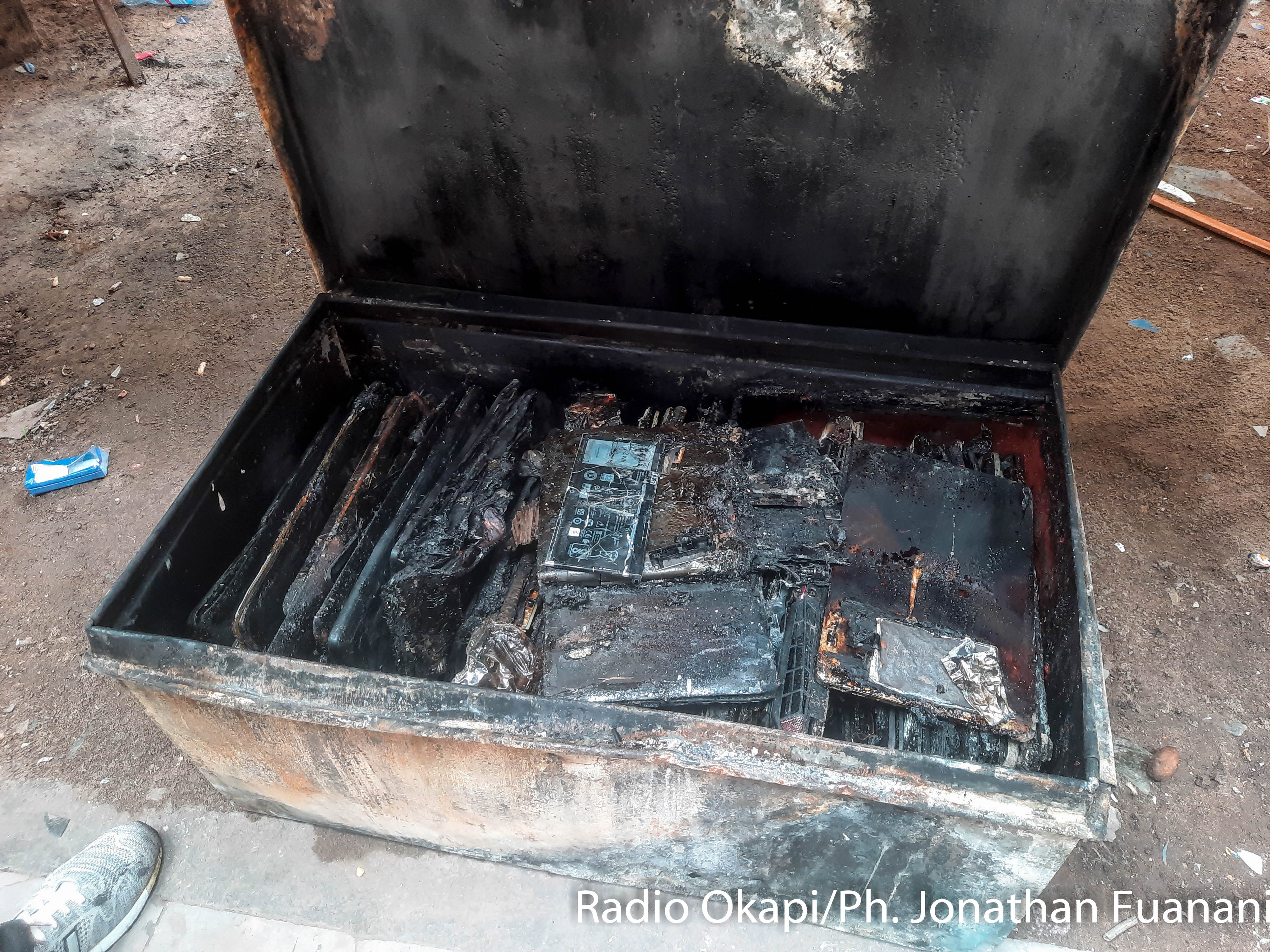
DR Congo Government Promotes Improved Electronic Waste Management
The Congolese government, through its Ministry of Environment, intensified its efforts to promote better management of Waste Electrical and Electronic Equipment (WEEE) across the Democratic Republic of Congo on October 27, during an awareness day. This initiative, held in conjunction with International E-waste Day, underscored the government's commitment to addressing the escalating environmental, health, and socio-economic challenges posed by electronic waste, particularly in rapidly urbanizing areas like Kinshasa. Discussions during the event highlighted the critical need for establishing robust infrastructure for the collection, sorting, reuse, recycling, and valorization of e-waste in major cities, aiming to mitigate environmental impacts and improve public health outcomes.
This development carries significant legal and practical implications for practitioners and businesses operating within or engaging with the DRC. It signals a clear governmental intent to formalize and regulate the e-waste sector, moving beyond mere awareness to potentially enforceable standards and obligations. For businesses involved in the import, manufacture, distribution, or disposal of electronic goods, this foreshadows increased regulatory scrutiny, potential extended producer responsibility (EPR) schemes, and the need for compliant waste management strategies. The emphasis on infrastructure development also points to emerging opportunities for investment and partnership in the formal e-waste management industry, while simultaneously indicating a crackdown on hazardous informal practices.
The legal context for this initiative is rooted in the DRC's broader environmental protection framework, which includes constitutional provisions on the right to a healthy environment (e.g., Article 53 of the Constitution) and general environmental legislation such as Law No. 11/009 of 9 July 2011 on fundamental principles relating to environmental protection. While specific, comprehensive e-waste regulations may still be developing, this awareness campaign by the Ministry of Environment, supported by entities like the Régie de gestion des déchets de Kinshasa (REGEDEK), lays the groundwork for future legislative and regulatory instruments. The warning issued by REGEDEK's Director General, Fanny Salmon, regarding the dangers of artisanal practices like open burning of cables, underscores the existing legal prohibitions against environmental pollution and public health hazards, which could be more rigorously enforced as the e-waste framework matures.
Key parties involved in this development include the Congolese Government, specifically the Ministry of Environment, which is spearheading the awareness campaign. The Régie de gestion des déchets de Kinshasa (REGEDEK), represented by its Director General Fanny Salmon, plays a crucial role in highlighting the on-the-ground challenges and advocating for safer practices. Implicitly, all manufacturers, importers, retailers, and consumers of electronic equipment in the DRC are key stakeholders, as are the informal sector workers currently engaged in e-waste processing. The outcome of this specific awareness day is not a legal ruling but rather a policy and public engagement initiative, setting the stage for future regulatory action.
Practitioners should advise clients, particularly those in the electronics and waste management sectors, to closely monitor the legislative and regulatory landscape in the DRC for forthcoming e-waste specific laws, decrees, or ministerial orders. Businesses should proactively assess their product lifecycle management, supply chain due diligence, and end-of-life handling processes to align with anticipated formal WEEE management requirements. Furthermore, there is a clear imperative to move away from reliance on informal recycling channels that employ hazardous methods, and instead explore partnerships with or investments in formal, environmentally sound e-waste collection and processing facilities. Compliance with evolving environmental standards will be crucial to mitigate legal and reputational risks.
How does this affect you?
Get an AI analysis of this article grounded in your jurisdictions, practice areas, and any policy documents you've uploaded to Wansom.
Finish Reading the Full Story and the Expert Analysis.
Wansom is AI and can make mistakes.