
CD Justice Disparity: Bemba Acquittal vs Lumbala Conviction Sparks Debate
Summary
- Lilas Sansa criticized the Congolese justice system for treating alleged genocide perpetrators differently.
- Jean-Pierre Bemba was acquitted of war crimes and crimes against humanity, while Roger Lumbala was convicted and sentenced for complicity in crimes against humanity, demonstrating disparate treatment.
- The decided cases of Bemba and Lumbala offer precedents for future cases involving similar charges.
- Lawyers should analyze the outcomes of these cases closely to identify potential inconsistencies in judicial treatment.
What Happened
Sansa's comments sparked debate about the fairness of the Congolese justice system.
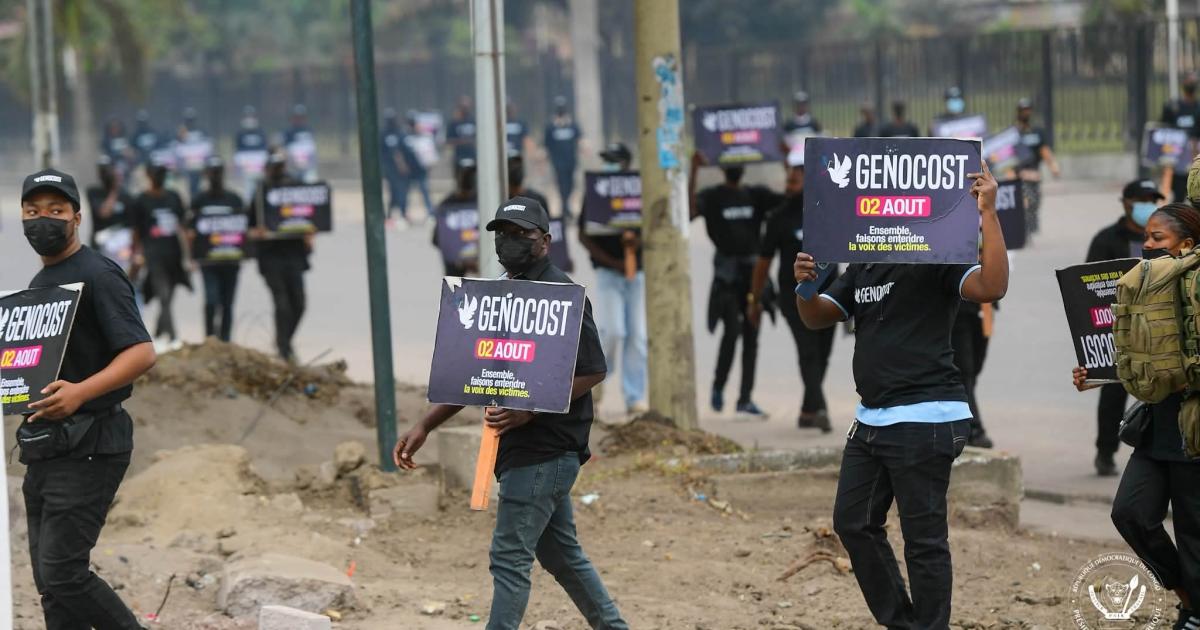
During a recent Space live event organized by Stanis Bujakera Tshiamala to commemorate the Genocost, jurist Lilas Sansa expressed concerns about what she perceives as variable justice for alleged genocide perpetrators. Specifically, she highlighted the disparity in treatment between Jean-Pierre Bemba, who was acquitted of war crimes and crimes against humanity in 2018, and Roger Lumbala, who was convicted and sentenced to 30 years imprisonment for complicity in crimes against humanity in December 2025. The event took place on August 3, 2026, at 13:40 PM. Sansa's comments sparked debate about the fairness of the Congolese justice system.
Legal Context
The cases of Jean-Pierre Bemba and Roger Lumbala are a prime example of the variable sentencing that has been criticized by many in the Democratic Republic of Congo. While both men faced charges related to international crimes, their treatment by the justice system has been markedly different, with Jean-Pierre Bemba acquitted of war crimes and crimes against humanity in 2018, and Roger Lumbala convicted and sentenced to 30 years imprisonment for complicity in crimes against humanity in December 2025. This raises questions about the consistency and fairness of the Congolese judicial process. The concluded cases of Bemba and Lumbala, with their disparate outcomes, offer different precedents for future cases involving similar charges, making it essential for lawyers to analyze their developments closely.
Why It Matters
The disparity in treatment between Jean-Pierre Bemba and Roger Lumbala has significant implications for the Congolese justice system. If left unchecked, this variable sentencing could undermine public trust in the judiciary and perpetuate a culture of impunity. Furthermore, it may also lead to inconsistent verdicts and sentences, which could have far-reaching consequences for the rule of law in the Democratic Republic of Congo.
Practical Implications
Lawyers should watch for potential inconsistencies in sentencing and monitor developments in the Bemba vs Lumbala case, as it may set a precedent for future cases involving similar charges.
Source
Source: Original reporting via Genocost
How does this affect your business?
Get an AI analysis of this article grounded in your jurisdictions, practice areas, and any policy documents you've uploaded to Wansom.
Wansom is AI and can make mistakes.