
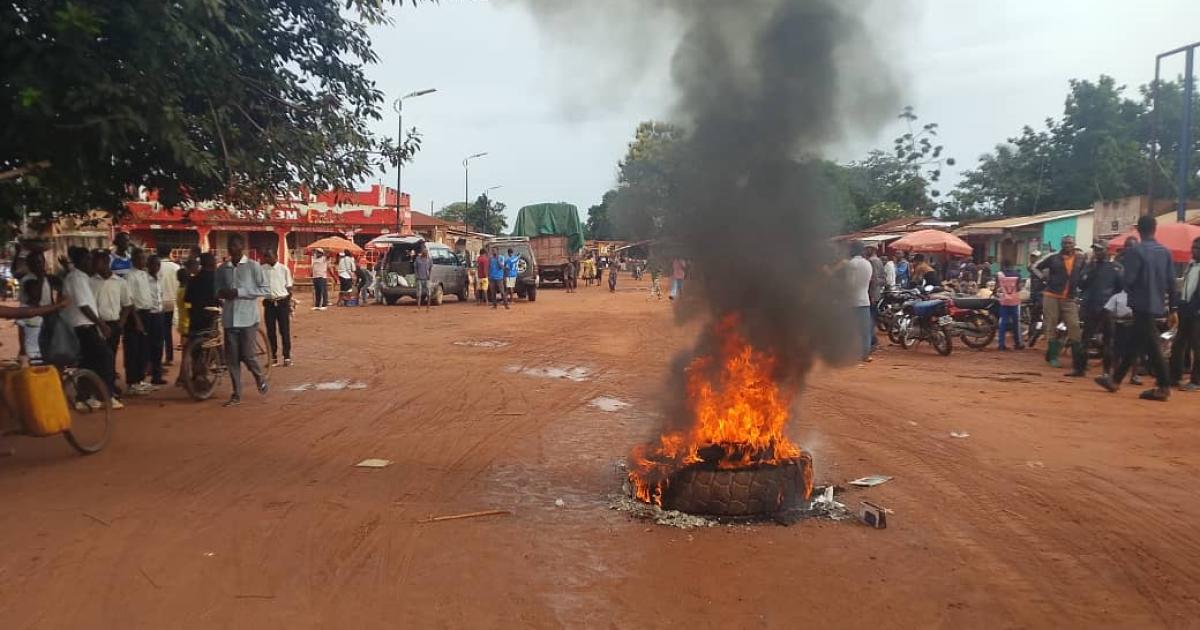
DR Congo: FEC President Arrested in Ngandajika, Business Activities Paralyzed
Commercial activities in Ngandajika, Lomami province, Democratic Republic of Congo, were paralyzed on November 18, 2026, following the arrest of the local president of the Fédération des Entreprises du Congo (FEC). This significant disruption saw businesses across the locality cease operations in a collective response to the detention of a key representative of the business community. The widespread cessation of commercial activities underscores the immediate and profound impact that actions against business leadership can have on local economies and public order, demonstrating a strong, unified reaction from the merchant class.
The legal significance of this event for practitioners, businesses, and the public in the DRC is substantial, highlighting the delicate balance between state authority and the rights of economic actors. Such a widespread paralysis of commercial life can lead to significant economic losses, disrupt supply chains, and erode investor confidence in the region. It also raises critical questions about the rule of law, due process, and the protection of business leaders from arbitrary detention, which could be perceived as an attempt to stifle legitimate business advocacy or dissent. The collective action by merchants signals a powerful form of protest, indicating potential for broader civil unrest if the underlying issues are not addressed transparently and lawfully.
From a legal context perspective, this incident implicates several areas of Congolese law, including criminal procedure regarding arrests and detention, administrative law concerning the actions of state agents, and constitutional provisions related to freedom of association and economic activity. The FEC, as a prominent employers' organization in the DRC, plays a crucial role in representing business interests and advocating for a conducive business environment. Any action against its leadership, particularly an arrest, would typically be scrutinized under the relevant provisions of the Code of Criminal Procedure and potentially the Constitution, to ensure adherence to legal safeguards and human rights. The specific grounds for the FEC president's arrest, though not detailed in the excerpt, would be central to any legal challenge or assessment of its legality.
Key parties involved include the merchants of Ngandajika who initiated the paralysis, the unnamed president of the FEC whose arrest triggered the events, the Fédération des Entreprises du Congo itself as the representative body, and implicitly, the state authorities in Lomami province responsible for the arrest and maintaining public order. For practitioners, the immediate takeaway is to closely monitor the legal basis and circumstances surrounding the FEC president's arrest, including whether due process was followed and if any charges have been laid. Businesses operating in the DRC, particularly in Lomami, should assess the potential for prolonged disruption, review their contingency plans, and understand their rights and obligations in situations involving collective action or state intervention. Attorneys should be prepared to advise on potential administrative challenges, human rights implications, or strategies for de-escalation and negotiation between the business community and authorities, as the outcome of this matter is not yet reported.
How does this affect you?
Get an AI analysis of this article grounded in your jurisdictions, practice areas, and any policy documents you've uploaded to Wansom.
Finish Reading the Full Story and the Expert Analysis.
Get the latest legal & regulatory intelligence in DR Congo
Wansom is AI and can make mistakes.