
DRC Bourgmestre Election Advocacy: Councilors Demand Direct Vote
Summary
- Communal councilors in the Democratic Republic of Congo are demanding elections for local executive positions, currently filled by presidential appointment.
- They report institutional obstacles, including a lack of collaboration with appointed administrations and persistent blockages in their constitutional duties.
- Councilors face structural difficulties in exercising parliamentary control over bourgmestres and in voting on communal budgets.
- Recurring funding issues for councils and these operational challenges impede the practical application of decentralization principles.
- They advocate for strict application of local governance provisions and clarification of their powers, believing elections are key to resolving contradictions and fostering grassroots development.
Advocacy for Local Executive Elections
The councilors firmly believe that the election of local executive authorities is the singular most effective solution to overcome the current institutional contradictions.
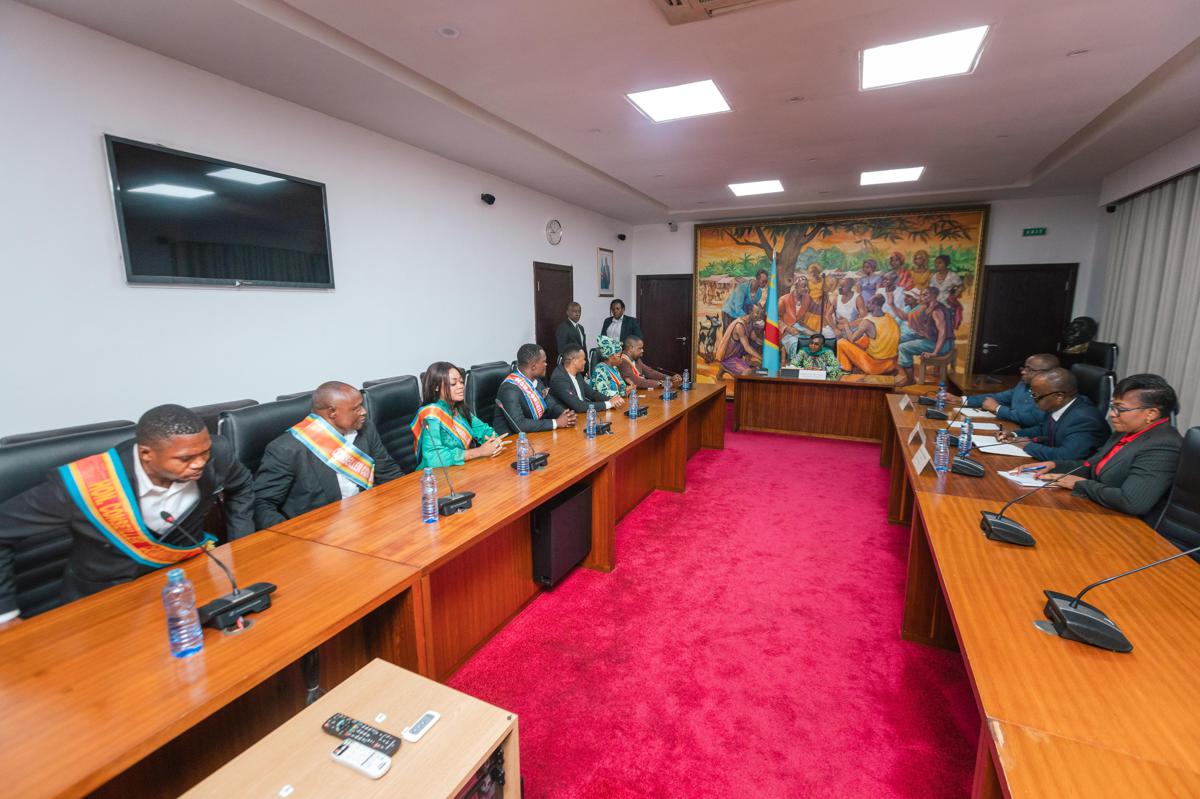
Communal councilors across the Democratic Republic of Congo are actively advocating for a fundamental shift in how local executive leaders are chosen. These elected officials are pushing for direct elections to select bourgmestres, the heads of communal administrations, a departure from the current system where these positions are filled through presidential ordinance. This DRC bourgmestre election advocacy stems from deep-seated frustrations regarding the efficacy of their mandates and the broader functioning of local governance.
The councilors contend that the existing appointment method for Congo local executive appointments creates significant institutional impediments. They report a consistent lack of collaborative engagement with the appointed administrative bodies, which severely hampers their ability to fulfill their constitutional duties. These persistent blockages, they argue, undermine the very purpose of their election and the principles of local representation.
Institutional Roadblocks and Control Deficits
A primary concern articulated by the communal councilors revolves around structural difficulties that impede their operational capacity at the local level. They highlight a critical inability to exercise effective parliamentary oversight over the bourgmestres, rendering their legislative role largely symbolic. This absence of accountability mechanisms creates a power imbalance that councilors find detrimental to good governance.
Furthermore, the councilors face considerable hurdles when it comes to their budgetary responsibilities. Obstacles encountered during the process of voting on communal budgets are a recurring issue, preventing them from effectively managing local finances and allocating resources according to community needs. These challenges collectively underscore a systemic problem within the current framework of Communal council powers DRC.
Undermining Decentralization Efforts
Beyond the immediate operational issues, the councilors point to broader implications for the nation's decentralization agenda. The ongoing difficulties, including the lack of effective control and budgetary impediments, directly undermine the practical implementation of decentralization principles. This situation creates a disconnect between the stated goals of local autonomy and the reality on the ground.
Compounding these issues are persistent problems related to the operational funding for the communal councils themselves. Insufficient or unreliable financial resources hinder the councils' ability to function effectively, further exacerbating the challenges in applying the tenets of decentralization. This financial strain is a significant factor contributing to the overall DRC decentralization challenges.
Demands for Legal Clarity and Reform
In response to these systemic issues, the elected officials are demanding a rigorous adherence to existing provisions governing local governance. They are also seeking explicit clarification regarding their specific prerogatives, particularly concerning their powers of oversight and their role in the adoption of budgets. This push for greater clarity aims to solidify the legal framework within which they operate.
The councilors firmly believe that the election of local executive authorities is the singular most effective solution to overcome the current institutional contradictions. They assert that such a reform is essential to ensure genuine grassroots development and to strengthen Congolese local governance reform. Their RDC conseillers communaux revendications are therefore centered on legislative changes that would empower local communities through democratic selection of their leaders.
Practical Implications
This development signals potential legislative reform in DRC's local governance, which could impact the legal framework for communal administration, budgeting, and oversight. Lawyers should track these discussions for changes affecting local compliance and administrative interactions.
Source
How does this affect you?
Get an AI analysis of this article grounded in your jurisdictions, practice areas, and any policy documents you've uploaded to Wansom.
Finish Reading the Full Story and the Expert Analysis.
Get the latest legal & regulatory intelligence in DR Congo
Wansom is AI and can make mistakes.