
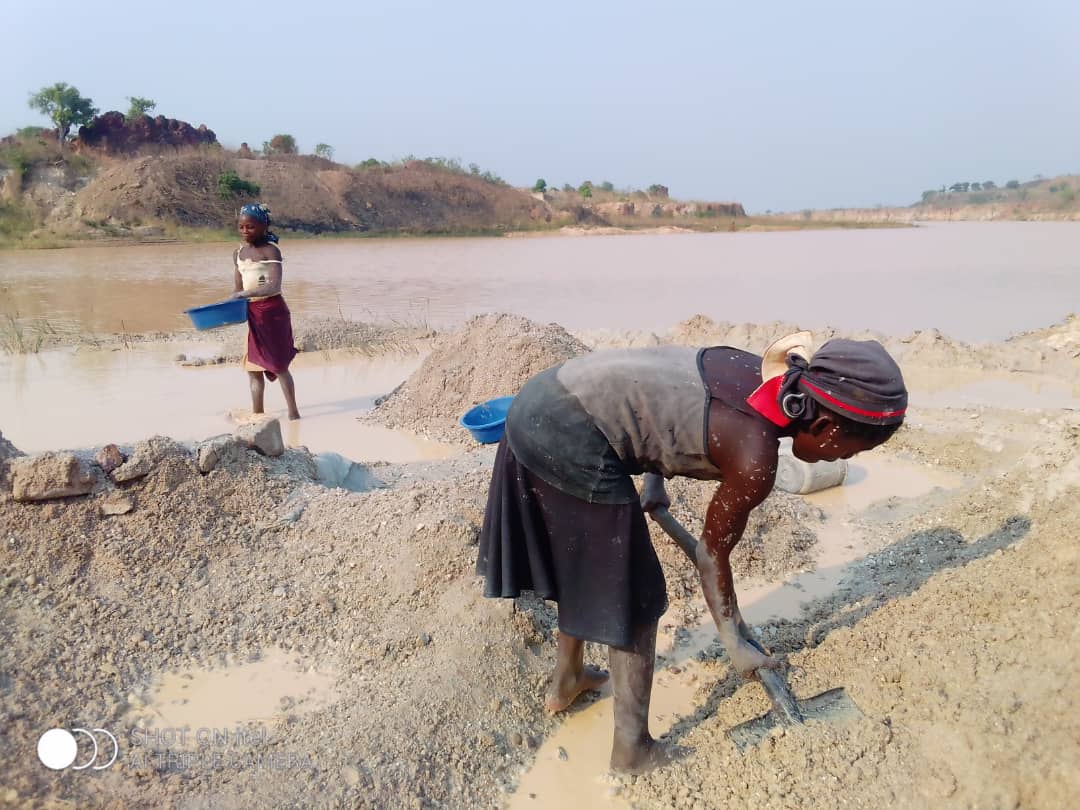
CNDH RDC: Child Labor Mining in Congo at UN Geneva
Summary
- The CNDH of the DRC alerted the UN Human Rights Council in Geneva about persistent child labor in artisanal mines on September 28.
- CNDH President Paul Nsapu stated that responsibility for combating child labor extends across the entire mineral value chain, from extraction to international markets.
- The Commission highlighted that child exposure to mining violates international standards, specifically ILO Convention No. 182 on the worst forms of child labor.
- Root causes identified include household poverty, lack of education, and inadequate control mechanisms in mining operations.
- The CNDH advocates for human rights-respecting mining, child protection through education, and safe environments in artisanal and semi-industrial sectors.
International Scrutiny on DRC Child Labor
Responsibility must encompass the entire mineral value chain, from the initial extraction in the DRC through to importing nations, processing industries, and ultimately, international markets.
The Democratic Republic of Congo's national human rights body, the Commission nationale des droits de l’homme (CNDH), issued a stark warning on Tuesday, September 28, regarding the persistent presence of child labor within the country's artisanal mining sectors. Speaking at the 63rd session of the Human Rights Council in Geneva, Switzerland, CNDH President Paul Nsapu highlighted the ongoing exploitation of children in these dangerous environments, bringing the issue of CNDH RDC child labor mining to the forefront of discussions at the UN Geneva forum.
Nsapu's intervention underscored that the fight against child labor in mines extends beyond the immediate extraction sites. He emphasized that responsibility must encompass the entire mineral value chain, from the initial extraction in the DRC through to importing nations, processing industries, and ultimately, international markets. This broader perspective signals a call for comprehensive accountability across the global supply chain for minerals originating from the region.
Legal and Systemic Violations
The CNDH-RDC explicitly stated that exposing children to mining activities constitutes a direct violation of established international norms. Specifically, the Commission referenced ILO Convention No. 182, which addresses the worst forms of child labor. This international legal framework provides a clear standard against which the practices in DRC child exploitation mines are measured, highlighting the severe human rights implications.
The Commission urged a multi-faceted approach to combat the underlying issues that perpetuate child labor. Key factors identified include pervasive household poverty, inadequate access to education for children, and insufficient oversight mechanisms within certain artisanal mining operations. Addressing these systemic challenges is deemed crucial for any effective strategy to eradicate child labor and promote human rights in the Congo artisanal mining sector.
Towards a Responsible Mineral Supply Chain
For the Commission nationale des droits de l’homme RDC, efforts to eliminate child labor must be coupled with initiatives that foster mining practices respectful of human rights. This includes ensuring children's protection through guaranteed access to education and the establishment of safe environments that shield them from exploitation in both artisanal and semi-industrial mining sectors. The CNDH's recommendations point towards a holistic strategy that integrates social development with economic activity.
This international alert from the CNDH underscores the growing pressure on companies involved in the responsible mineral supply chain RDC to enhance due diligence and transparency. The call for accountability across the entire value chain implies that all stakeholders, from raw material purchasers to end-product manufacturers, bear a responsibility to ensure their operations do not contribute to or benefit from child labor in the Democratic Republic of Congo.
Practical Implications
Lawyers and compliance officers advising companies involved in the DRC mining supply chain, from extraction to international trade, should be aware of increased international scrutiny regarding child labor. This alert from the CNDH at the UN signals potential for heightened due diligence requirements, supply chain transparency obligations, and reputational risks for non-compliance with international human rights standards like ILO Convention 182.
Source
How does this affect you?
Get an AI analysis of this article grounded in your jurisdictions, practice areas, and any policy documents you've uploaded to Wansom.
Finish Reading the Full Story and the Expert Analysis.
Get the latest legal & regulatory intelligence in DR Congo
Wansom is AI and can make mistakes.