
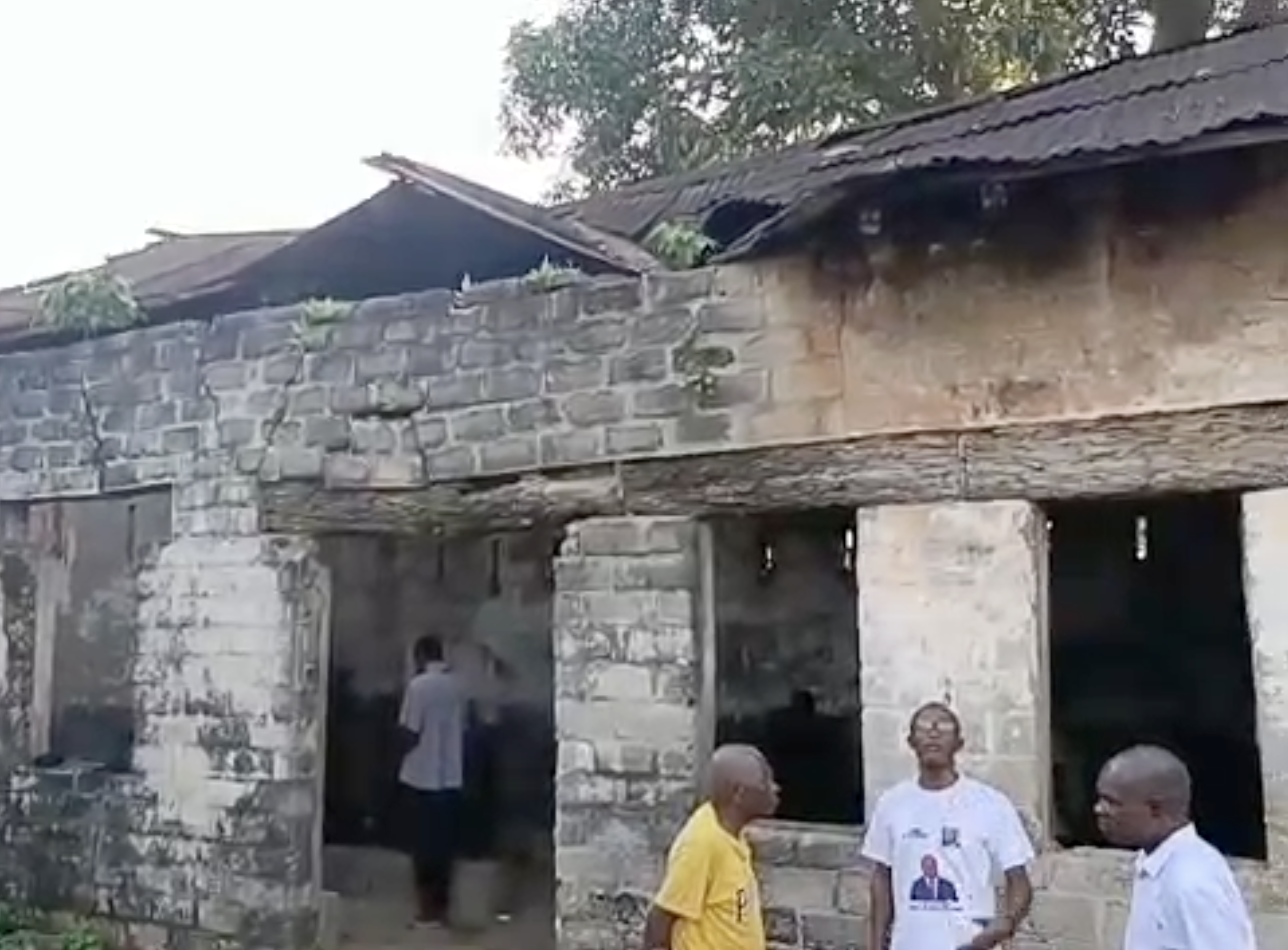
DR Congo: 31 Detainees Escape Inongo Prison After Guards Abandon Post
On the night of September 23-24, 31 detainees escaped from the central prison of Inongo, Mai-Ndombe, Democratic Republic of Congo, following the unexpected withdrawal of military guards who abandoned their posts due to financial grievances. This mass escape significantly reduced the prison population, leaving only seven prisoners in detention. The incident highlights a severe breakdown in security protocols and state control over correctional facilities in the region.
This event carries substantial legal significance, exposing critical vulnerabilities within the DRC's justice and security sectors. For legal practitioners, it underscores the precariousness of detention conditions and raises serious questions about the state's capacity to ensure the secure custody of individuals, whether awaiting trial or serving sentences. The incident could lead to complex legal challenges regarding the accountability of state actors, the rights of the remaining detainees, and the broader implications for public safety and the rule of law. It also brings into focus the systemic issues of underfunding and potential corruption within state institutions, which can directly impact the administration of justice.
The legal context for this incident is rooted in the Democratic Republic of Congo's penal code and laws governing the administration of justice and correctional facilities, which mandate the secure detention of individuals. The abandonment of post by military personnel, particularly when it results in a mass escape, could constitute a serious military offense under the Code Pénal Militaire (Military Penal Code) and a dereliction of duty under general administrative law. The state, through its Ministry of Justice and Ministry of Defence, bears ultimate responsibility for the security of prisons and the conduct of its personnel. Furthermore, the incident touches upon international human rights standards regarding detention, which require states to ensure the safety and security of detainees and prevent arbitrary deprivation of liberty.
The key parties involved in this unfolding situation are the 31 escaped detainees, the military guards who abandoned their posts, the central prison of Inongo in Mai-Ndombe province, and by extension, the Congolese state, including its Ministry of Justice, Ministry of Defence, and the judicial system responsible for the detainees. The local authorities in Inongo and Mai-Ndombe province are also directly implicated in the immediate response and subsequent investigations.
Practitioners should closely monitor any official investigations into this incident, particularly regarding potential charges against the military personnel involved and efforts to recapture the escapees. For criminal defense lawyers, this event may raise questions about the legality and safety of detention conditions, potentially forming grounds for bail applications or arguments regarding the state's failure to protect detainees. Businesses operating in the region should be aware of potential security implications and the broader instability indicated by such systemic failures. The outcome of any disciplinary or criminal proceedings against the guards, or the recapture of the escapees, is not yet reported.
How does this affect you?
Get an AI analysis of this article grounded in your jurisdictions, practice areas, and any policy documents you've uploaded to Wansom.
Finish Reading the Full Story and the Expert Analysis.
Get the latest legal & regulatory intelligence in DR Congo
Wansom is AI and can make mistakes.