
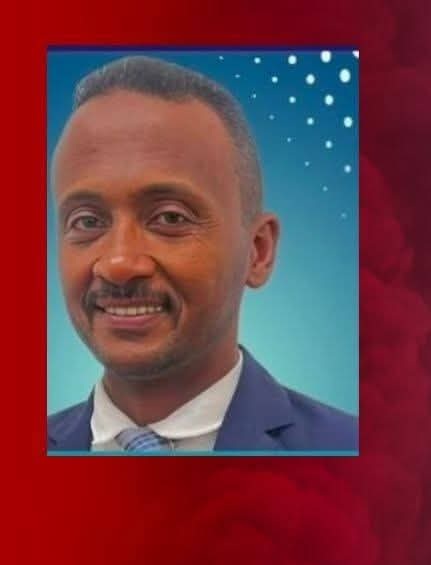
Sudan Military Intelligence: Dr. Attiya Abdullah Al-Qadarif Arrest Sparks Outcry
Summary
- Dr. Attiya Abdullah, Secretary-General of the Preliminary Committee of the Sudanese Doctors' Syndicate, was arrested by Military Intelligence in Al-Qadarif during the first week of August 2026.
- He was detained while conducting a routine kala-azar survey and subsequently transferred from Al-Qadarif to Khartoum without disclosed reasons.
- The Sudanese Doctors' Syndicate has launched a campaign for his release, coordinating with other professional bodies and appealing to international organizations.
- The syndicate holds the arresting authority fully responsible for Dr. Abdullah's safety and well-being.
- This incident highlights ongoing concerns about arbitrary detentions by military intelligence in Sudan, particularly targeting civil society leaders and medical professionals.
Arrest of a Key Medical Leader
The absence of stated reasons for his detention, coupled with his transfer to Khartoum, signals a troubling pattern of opaque legal proceedings and potential infringements on individual liberties.
Dr. Attiya Abdullah, the Secretary-General of the Preliminary Committee of the Sudanese Doctors' Syndicate, was taken into custody by Military Intelligence in Al-Qadarif city, eastern Sudan, during the first week of August 2026. The arrest occurred while Dr. Abdullah was actively engaged in a routine survey aimed at combating kala-azar disease within Al-Qadarif state, an initiative he spearheads through an organization he manages.
Following his detention, Dr. Abdullah was subsequently transferred from Al-Qadarif to Khartoum. Crucially, no official explanation or specific reasons for the Dr. Attiya Abdullah Al-Qadarif arrest have been provided by the authorities responsible for his detention. This lack of transparency immediately raised concerns among his colleagues and human rights advocates.
Dr. Abdullah has maintained his professional activities within Sudan since the onset of the ongoing conflict, underscoring his commitment to public health and medical advocacy in challenging circumstances. His role as the Sudanese Doctors' Syndicate Secretary-General places him at the forefront of medical leadership in the country.
Syndicate's Urgent Appeal
The Preliminary Committee of the Sudanese Doctors' Syndicate swiftly announced the Sudan Military Intelligence detention of its Secretary-General. Sayed Mohamed Abdullah, spokesperson for the committee, confirmed the transfer of Attiya Abdullah from Al-Qadarif to Khartoum, reiterating the absence of any disclosed reasons for his apprehension.
In response to the arbitrary arrest, the syndicate has initiated a comprehensive campaign, collaborating with several other professional syndicates, to demand Dr. Abdullah's immediate release and to ascertain his current whereabouts. The spokesperson, Sayed Abdullah, has also issued a direct appeal to international organizations, urging their urgent intervention to secure the Secretary-General's freedom.
The Preliminary Committee of the Sudanese Doctors' Syndicate has unequivocally stated that it holds the arresting authority fully accountable for Dr. Attiya Abdullah's safety and well-being during his detention. This public declaration underscores the gravity of the situation and the syndicate's deep concern for their leader.
Concerns Over Arbitrary Detention
The Al-Qadarif arbitrary arrest of Dr. Attiya Abdullah by Military Intelligence highlights persistent concerns regarding due process and human rights in Sudan, particularly for civil society leaders and medical professionals. The absence of stated reasons for his detention, coupled with his transfer to Khartoum, signals a troubling pattern of opaque legal proceedings and potential infringements on individual liberties.
This incident is a critical indicator of continued arbitrary detentions by military intelligence in Sudan, particularly targeting civil society leaders. The targeting of a prominent figure like Dr. Abdullah, who has been actively working on public health initiatives since the war began, raises significant human rights concerns for Sudan doctors and the broader professional community. Such actions can have a chilling effect on freedom of association and expression.
Organizations operating in the region, as well as international legal bodies, should note this development as it impacts risk assessments and underscores potential avenues for international legal intervention or advocacy related to fundamental freedoms. The call for international intervention by the Sudanese Doctors' Syndicate reflects the perceived lack of domestic recourse and the urgent need for external pressure to ensure the safety and release of Dr. Abdullah.
Practical Implications
Lawyers and compliance officers should note this incident as a critical indicator of continued arbitrary detentions by military intelligence in Sudan, particularly targeting civil society leaders. This raises significant human rights and due process concerns, impacting risk assessments for organizations operating in the region and highlighting potential avenues for international legal intervention or advocacy related to freedom of association.
Source
How does this affect you?
Get an AI analysis of this article grounded in your jurisdictions, practice areas, and any policy documents you've uploaded to Wansom.
Finish Reading the Full Story and the Expert Analysis.
Wansom is AI and can make mistakes.