
Sudan Anti-War Forces Warn UN: Burhan Dialogue Risks Legitimacy
Summary
- Sudan's Declaration of Principles forces met UN envoy Pekka Haavisto in Nairobi on Saturday to discuss the political crisis.
- They warned that any political process not prioritizing an end to fighting and civilian protection risks legitimizing de facto authorities.
- The forces expressed objections to army chief Abdel Fattah al-Burhan's proposed dialogue framework, fearing it could entrench war-created realities.
- They outlined conditions for a comprehensive political process, including restoring state institution unity and establishing a democratic civilian government.
- The anti-war forces also conveyed reservations about the international Quintet's approach but remain open to cooperation under specific terms.
Anti-War Forces Warn UN Envoy on Burhan Dialogue
Their insistence on a comprehensive process, starting with an end to hostilities and protection of civilians, directly counters any attempts to normalize or legitimize the current power structures.
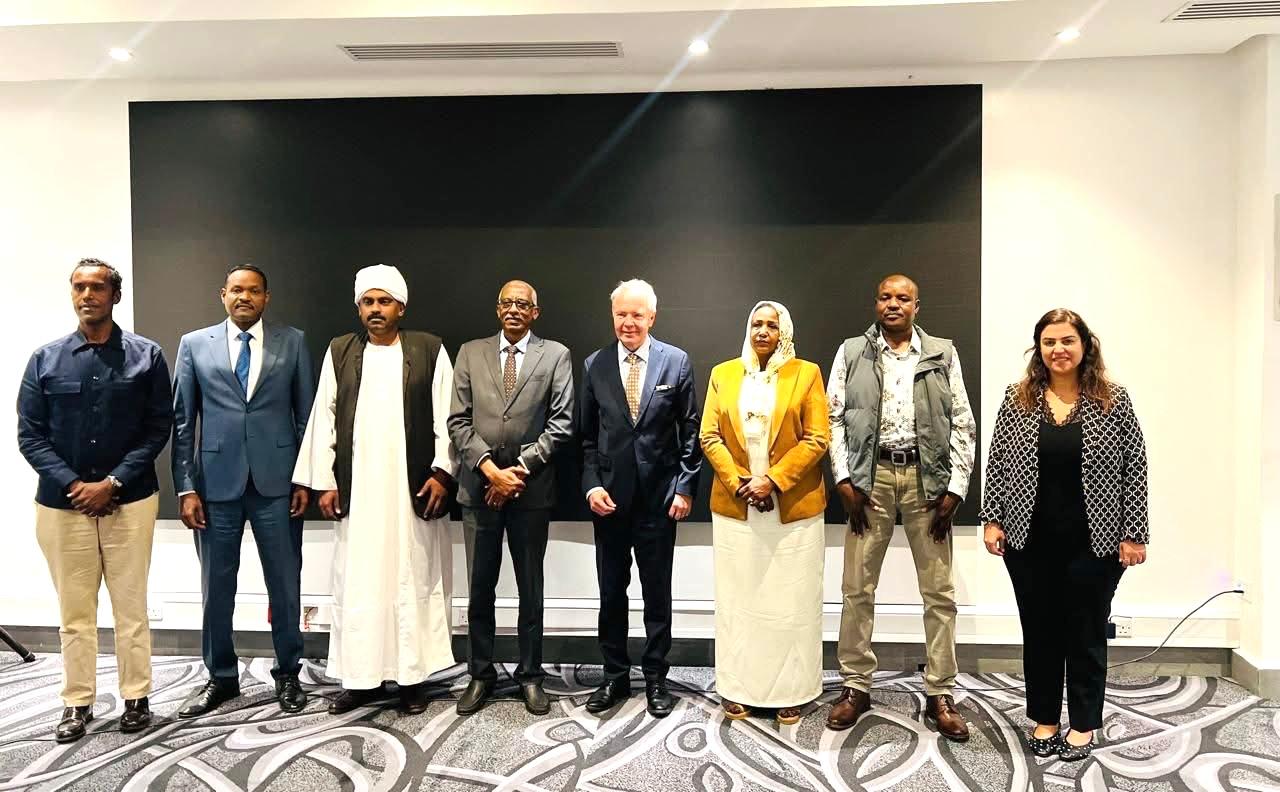
Representatives from Sudan's Declaration of Principles forces convened with Pekka Haavisto, the UN Secretary-General’s personal envoy to Sudan, in Nairobi on Saturday to deliberate on the ongoing political crisis and initiatives aimed at resolving the conflict. A central message conveyed was their firm belief that any political process failing to prioritize an immediate cessation of hostilities and the safeguarding of civilians could inadvertently serve to deepen national divisions and confer legitimacy upon existing de facto authorities.
During their discussions, the delegation articulated its stance regarding the political dialogue put forth by army chief Abdel Fattah al-Burhan. They clarified that their opposition was not to the concept of dialogue per se, but rather to the specific framework under consideration, which they fear could solidify the political and geographical realities that have emerged from the conflict. This meeting underscores the critical juncture in Sudan's political landscape, where the legitimacy and structure of any future governance are fiercely contested.
Concerns Over Legitimacy and Entrenchment of De Facto Authorities
In a formal statement, the Declaration of Principles forces emphasized that initiating a political process from a power center directly implicated in the warfare, or structuring it through mechanisms that perpetuate unilateral control over state institutions, would not offer a credible pathway to resolving the crisis. They cautioned that such an approach risks legitimizing fragmentation and embedding parallel governing structures across the nation, thereby undermining the foundational principles for a stable future.
The representatives advocated for a desired dialogue to be integrated into a comprehensive political process, one that commences with an end to the conflict, ensures civilian protection, and addresses the dire humanitarian situation. This foundational phase, they argued, must precede efforts to restore the cohesion of state institutions and, ultimately, establish a unified, democratic civilian government. Their vision highlights a sequential and holistic approach, prioritizing peace and humanitarian needs before political restructuring.
Broader Consensus and Engagement with International Quintet
The delegation further informed the UN envoy about recent developments among civilian groups opposing the war, highlighting what they characterized as an expanding coalition of forces rejecting the prevailing polarization between the conflict's belligerents. They also shared the conclusions from a consultative meeting held in Addis Ababa on August 22 and 23, which revealed an increasing alignment among civilian and political factions regarding the fundamental principles for ending the war and constructing a more inclusive and representative political framework.
The statement also indicated that the anti-war forces’ stance on the international Quintet was a topic of discussion, specifically their reservations concerning its methodology and the procedures for identifying and ensuring the representation of participating parties in the political process. The Declaration of Principles forces clarified that their expressed reservations do not signify a refusal to engage with the Quintet. However, they maintained that prior agreement is essential on the political process's nature, its participants, and its terms of reference, alongside robust safeguards for independent civilian decision-making and mechanisms to prevent any single entity from monopolizing the representation of anti-war forces.
Concluding the meeting, the forces reiterated their willingness to collaborate with regional and international initiatives aimed at ending the war, contingent upon these efforts leading to a process that upholds Sudan’s unity, precludes the entrenchment of de facto authorities, and establishes a path toward a sustainable democratic civilian transition.
Why It Matters: Political Uncertainty and Legal Implications
This development underscores the profound legal and political uncertainty currently gripping Sudan, particularly concerning the legitimacy of any proposed governing framework or the de facto authorities presently in power. The anti-war forces' stance highlights the deep divisions and the formidable challenge of forging a credible political path forward without first addressing the fundamental issues of conflict resolution and comprehensive civilian protection.
Their insistence on a comprehensive process, starting with an end to hostilities and protection of civilians, directly counters any attempts to normalize or legitimize the current power structures. The explicit rejection of a dialogue framework that could entrench war-created realities or reproduce unilateral control signals a strong opposition to any outcome that does not lead to a unified, democratic civilian government. This complex environment necessitates enhanced due diligence for any entity considering engagement or investment in Sudan, given the significant political risk and potential compliance exposures related to interacting with contested entities. The call for a process that preserves national unity and prevents the entrenchment of de facto authorities is crucial for the long-term stability and legal coherence of the nation, demanding careful monitoring for a more stable and unified legal environment.
Practical Implications
This development highlights the profound legal and political uncertainty in Sudan, particularly concerning the legitimacy of any proposed governing framework or de facto authorities. Lawyers advising clients on investments or operations in Sudan must conduct enhanced due diligence to assess political risk and potential compliance exposures related to engaging with contested entities, and monitor developments for a more stable and unified legal environment.
Source
How does this affect you?
Get an AI analysis of this article grounded in your jurisdictions, practice areas, and any policy documents you've uploaded to Wansom.
Finish Reading the Full Story and the Expert Analysis.
Wansom is AI and can make mistakes.