
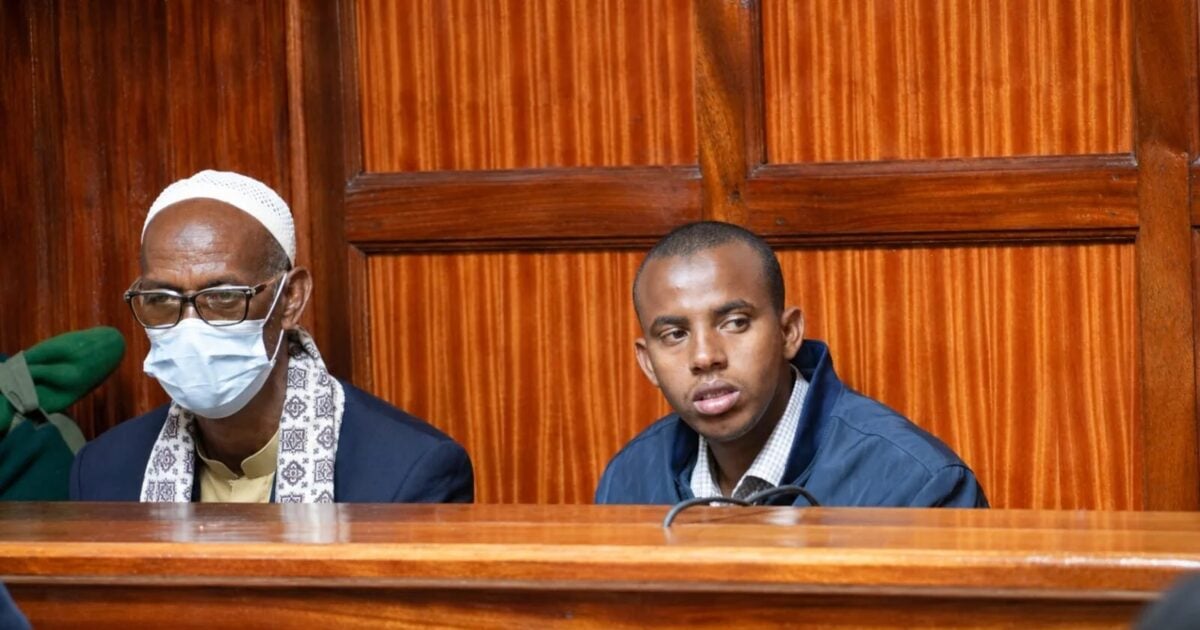
Kenya DPP Opposes Mohamed Ali Bail for Dusit D2 Terror Convict
Summary
- The Director of Public Prosecutions (DPP) is opposing a bail application from Mohamed Abdi Ali, a convict in the 2019 Dusit D2 terror attack.
- Ali was sentenced to 30 years in prison on June 17, 2025, following his conviction on May 22, 2025.
- The DPP argues that Ali has not demonstrated exceptional circumstances or overwhelming chances of success for his appeal, citing the seriousness of the terrorism offenses.
- A medical report indicates Ali's health conditions are stable and manageable within Kamiti Maximum Security Prison.
- Both Ali's and co-appellant Hussein Mohamed Abdille Ali's bail applications are scheduled for a virtual hearing on November 12, 2026.
Legal Challenge to Conviction
This firm stance underscores the high threshold for bail pending appeal in Kenya, particularly for serious offenses like terrorism.
Mohamed Abdi Ali, one of two individuals convicted in connection with the deadly 2019 Dusit D2 terror attack, is currently seeking release on bail while he appeals his conviction and 30-year prison sentence. The Director of Public Prosecutions (DPP) has formally opposed this application, arguing that Ali has not met the stringent legal requirements for such a release. Ali, alongside Hussein Mohamed Abdille Ali, was found guilty by the Kahawa Chief Magistrates Court on May 22, 2025, for their roles in the attack that claimed 21 lives. Both men subsequently received identical 30-year prison terms on June 17, 2025.
Ali's application for bail pending appeal was initially filed on December 22, 2025. However, its scheduled hearing could not proceed as the court determined that the record of appeal was incomplete. The matter has since been rescheduled for a virtual hearing on November 12, 2026, at noon, where the court will consider the arguments presented by both sides.
The DPP's Stance and Legal Precedent
The DPP, represented by Senior Assistant Director of Public Prosecutions Duncan Ondimu, submitted comprehensive grounds of opposition and written arguments dated November 4, 2026, to counter Mohamed Abdi Ali's request. The prosecution emphasized that bail pending appeal is a discretionary remedy, not an automatic right, and that the applicant must demonstrate "exceptional circumstances" or prove that their appeal has "overwhelming chances of success." The DPP contended that Ali failed to satisfy either of these critical conditions.
Furthermore, the prosecution highlighted the extreme gravity of the offenses, stemming from the January 15, 2019, attack at the Dusit D2 hotel complex in Nairobi. Addressing Ali's reported health issues, the DPP presented a medical report from Kamiti Maximum Security Prison, which indicated that his back and eye conditions were stable and could be effectively managed within the correctional facility. The prosecution also asserted that the appeal record is now complete, suggesting that the appeal itself could be expedited, thereby negating the necessity for his release on bail. This firm stance underscores the high threshold for bail pending appeal in Kenya, particularly for serious offenses like terrorism.
Broader Implications and Future Proceedings
The legal battle surrounding Mohamed Abdi Ali's bail application is part of a larger, complex judicial process following one of Kenya's deadliest terror incidents. The Dusit D2 attack saw armed militants storm a hotel and office complex in Nairobi's Westlands neighborhood, resulting in significant loss of life. Hussein Mohamed Abdille Ali, the co-appellant, has also filed a separate application for bail pending appeal, and the court has issued similar directives for his case, scheduling it for the same virtual hearing on November 12, 2026.
Adding another layer to the ongoing legal proceedings, the DPP has also lodged a challenge against the acquittal of both Mohamed Abdi Ali and Hussein Mohamed Abdille Ali on a distinct charge related to the commission of a terrorist act, contrary to the Prevention of Terrorism Act Kenya. When the matter resumes, the court is expected to meticulously weigh the prosecution's objections against the bail applications from both convicted individuals, shaping the immediate future for those implicated in the devastating attack.
Practical Implications
This case underscores the high threshold for bail pending appeal in Kenya, particularly for serious offenses like terrorism. Lawyers representing clients in similar situations must be prepared to demonstrate 'exceptional circumstances' and 'overwhelming chances of success' for the appeal, as the DPP will vigorously oppose such applications, emphasizing the discretionary nature of the remedy.
Source
How does this affect you?
Get an AI analysis of this article grounded in your jurisdictions, practice areas, and any policy documents you've uploaded to Wansom.
Wansom is AI and can make mistakes.