
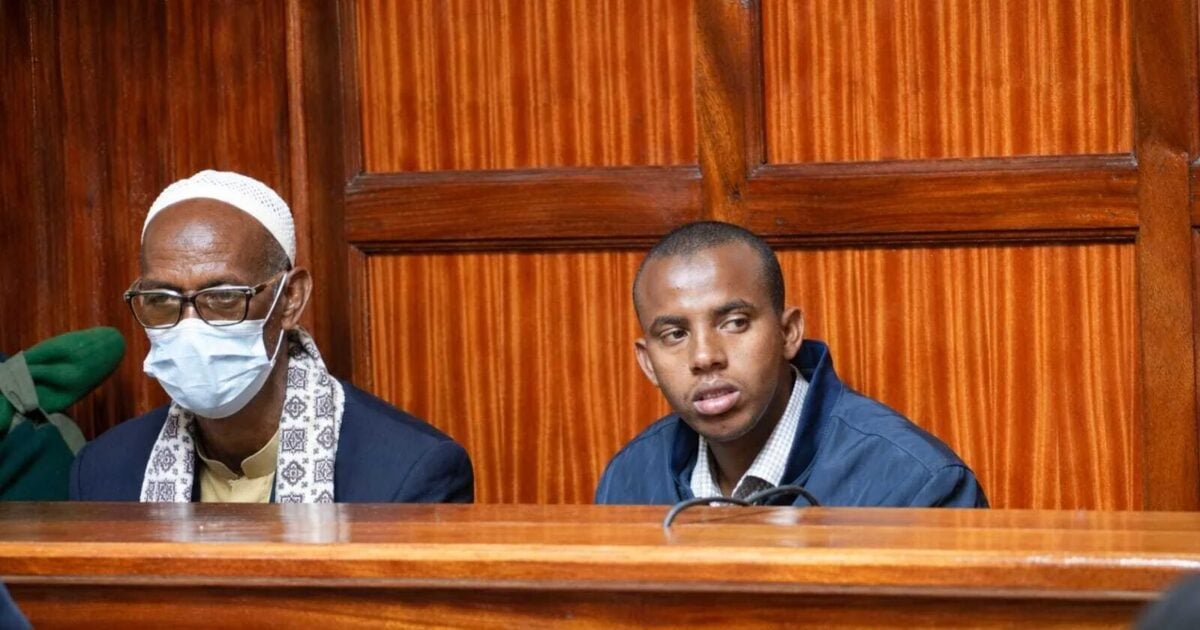
DPP Kenya: Opposes Mohamed Abdi Ali Bail Pending Appeal
Summary
- The Director of Public Prosecutions (DPP) has opposed bail pending appeal for Mohamed Abdi Ali, a convict in the 2019 Dusit D2 terror attack.
- The DPP argues Ali failed to demonstrate "exceptional circumstances" or that his appeal has an overwhelming chance of success.
- The prosecution challenged Ali's health concerns, presenting a medical report indicating his conditions are stable and manageable in prison.
- Ali and co-appellant Hussein Mohamed Abdille Ali were convicted on May 22, 2025, and sentenced to 30 years each for their involvement in the attack that killed 21 people.
- Both bail applications are scheduled for a virtual hearing on November 12, 2026, as appeals continue.
Prosecution Challenges Bail for Dusit D2 Convict
The legal framework governing bail pending appeal in Kenya establishes that such a remedy is a discretionary measure, not an inherent right.
The Director of Public Prosecutions (DPP) in Kenya has formally opposed the release on bail of Mohamed Abdi Ali, one of the individuals convicted in connection with the devastating 2019 Dusit D2 terror attack. This opposition was articulated in written submissions presented on November 4, 2026, where Senior Assistant Director of Public Prosecutions Duncan Ondimu urged the court to reject Ali's application for bail pending appeal. The prosecution's primary contention is that Ali has not met the stringent legal threshold of demonstrating "exceptional circumstances" necessary to warrant his temporary freedom while his appeal proceeds.
Ali's initial application for bail was lodged on December 22, 2025. However, its scheduled hearing faced a procedural setback when the court determined that the record was incomplete, preventing it from moving forward. Consequently, the matter has been rescheduled for a virtual hearing on November 12, 2026, at noon. Similar directives have been issued for Hussein Mohamed Abdille Ali, a co-appellant, whose own bail application is slated to be heard concurrently on the same date.
Legal Standard for Bail Pending Appeal
The legal framework governing bail pending appeal in Kenya establishes that such a remedy is a discretionary measure, not an inherent right. For an applicant like Mohamed Abdi Ali to secure release, they must satisfy the court on two key fronts: either by demonstrating the presence of "exceptional circumstances" that compel their release, or by proving that their appeal possesses an "overwhelming chance of success." The DPP's submissions explicitly argued that Ali failed to satisfy either of these critical requirements, asserting that his case did not present the extraordinary conditions necessary for pre-appeal release.
The gravity of the offenses committed, particularly those related to terrorism, significantly influences the court's discretion. The 2019 Dusit D2 terror attack resulted in the tragic loss of 21 lives, a fact the prosecution consistently highlighted to underscore the severe nature of the charges against Ali and his co-appellant. This emphasis on the profound impact of the crime serves to reinforce the argument against granting bail, aligning with the high bar set for such applications in serious criminal matters.
DPP's Specific Arguments Against Release
Beyond the general failure to establish exceptional circumstances, the DPP meticulously challenged several specific points raised by Mohamed Abdi Ali in his application. Notably, the prosecution directly addressed Ali's reliance on health concerns as a basis for his release. They presented a medical report originating from Kamiti Maximum Security Prison, which indicated that Ali's reported back and eye conditions were stable and could be effectively managed within the existing prison medical facilities. This directly countered the assertion that his health necessitated release.
Furthermore, the prosecution contended that the record of appeal was already complete, and therefore, the appeal process could be expedited. This argument aimed to demonstrate that there was no undue delay in the appellate process that would justify granting bail. By suggesting that the appeal could be fast-tracked, the DPP sought to negate any perceived urgency for Ali's release, reinforcing the position that his continued detention pending the outcome of the appeal was appropriate. The DPP also separately challenged their acquittal on another count relating to the commission of a terrorist act contrary to the Prevention of Terrorism Act Kenya, indicating a comprehensive legal strategy.
Convictions and Ongoing Appeals
Mohamed Abdi Ali and Hussein Mohamed Abdille Ali were both found guilty by the Kahawa Chief Magistrates Court on May 22, 2025, for their involvement in the January 15, 2019, attack on the Dusit D2 hotel and office complex in Nairobi. Following their conviction, each man received a sentence of 30 years in prison on June 17, 2025. These convictions and subsequent sentences form the basis of the appeals currently underway, which include the present applications for bail pending appeal.
As the appeals proceedings continue, the court is set to hear the two bail applications on November 12, 2026. This hearing represents a crucial juncture for both Mohamed Abdi Ali and Hussein Mohamed Abdille Ali, as they seek temporary release from custody. The DPP's robust opposition, citing the lack of exceptional circumstances and the gravity of the terrorism-related offenses, underscores the significant legal hurdles they face in their bid for bail pending appeal.
Practical Implications
Lawyers advising clients on bail pending appeal in Kenya, particularly for serious offenses like terrorism, must note the stringent requirements for demonstrating 'exceptional circumstances' and the prosecution's robust arguments against it, including challenging medical grounds and emphasizing the gravity of the offense. This case highlights the high bar set by the DPP for such applications.
Source
How does this affect you?
Get an AI analysis of this article grounded in your jurisdictions, practice areas, and any policy documents you've uploaded to Wansom.
Wansom is AI and can make mistakes.