
DOJ Sues Minnesota: Challenges Gun Waiting Periods, Permit Mandates
Summary
- The U.S. Department of Justice has filed a lawsuit challenging Minnesota's gun purchase requirements and waiting periods.
- The federal government argues these state laws violate the Second Amendment by delaying citizens' ability to acquire firearms for self-defense.
- The lawsuit seeks to permanently enjoin Minnesota and its two largest cities from enforcing 30-day waiting periods and permit-to-purchase requirements for individuals without a carry permit.
- The DOJ's legal argument relies heavily on the Supreme Court's 2022 *Bruen* decision, asserting Minnesota's laws fail its constitutional test.
- The complaint highlights that over 93% of Minnesotans lack a carry permit and often face processing delays exceeding the mandated 30 days, with no legal recourse.
What Happened
The federal government contends that these provisions impose unnecessary and unconstitutional delays on residents seeking firearms primarily for home defense, without any intention or need for public carry.
The U.S. Department of Justice (DOJ) has initiated a federal challenge against Minnesota's firearm acquisition requirements, filing a lawsuit on Thursday. This legal action targets the state's gun purchase requirements and associated waiting periods, asserting they infringe upon citizens' Second Amendment rights to acquire firearms for self-defense. The complaint, spanning 13 pages, was lodged in the U.S. District Court for the District of Minnesota.
The federal government is seeking a permanent injunction to prevent Minnesota and its two largest cities, Minneapolis and St. Paul, from enforcing 30-day waiting periods and permit-to-purchase mandates against individuals who do not possess a carry permit. Additionally, the lawsuit requests a judicial declaration that these state and municipal practices violate the Second Amendment rights of Minnesotans. Prior to filing the suit, the Justice Department had notified state officials last week, attempting to negotiate a resolution, but no agreement was reached, leading to the formal legal challenge. Minnesota U.S. Attorney Daniel N. Rosen affirmed the department's commitment to safeguarding Minnesotans' right to purchase firearms, stating that procedures impairing this right would not be tolerated. This federal challenge to Minnesota firearm requirements marks a significant legal development.
The Challenged Laws and Their Impact
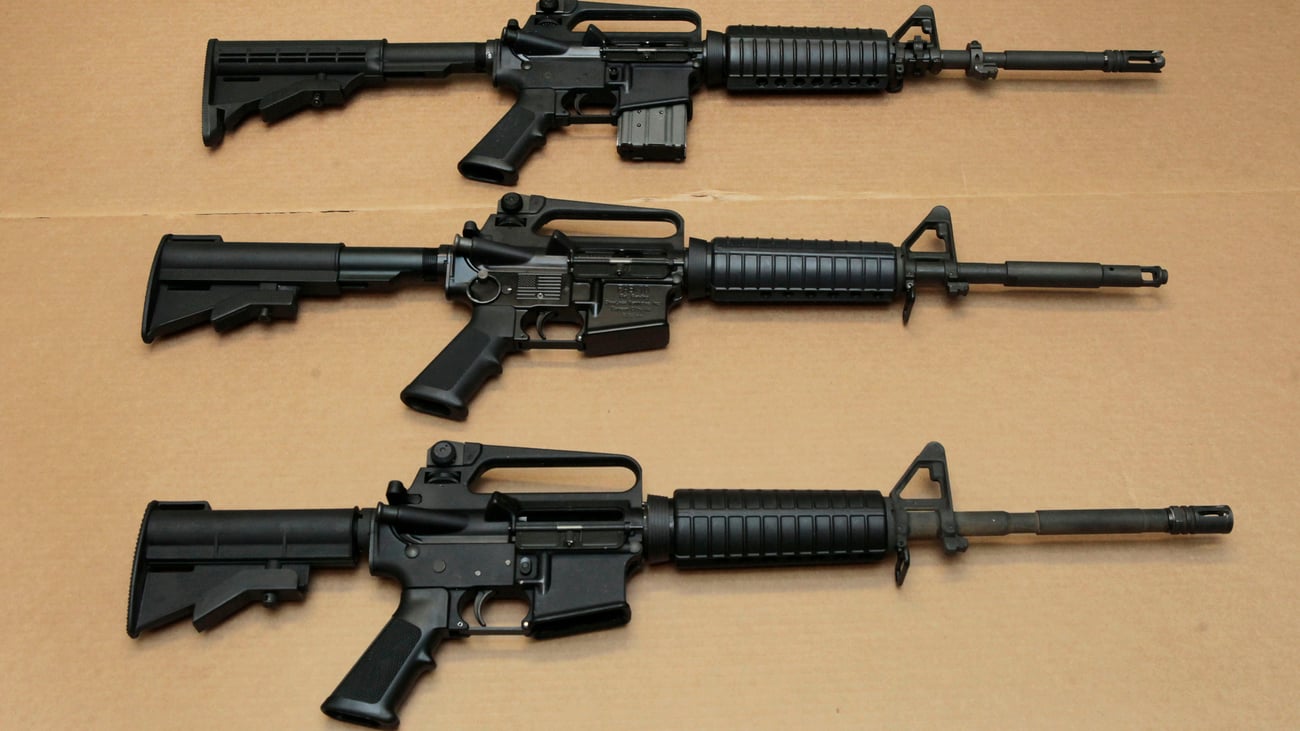
Under current Minnesota statutes, individuals who do not hold a permit to carry are required to navigate a specific framework to acquire handguns or "regulated rifles," a category that includes semi-automatic firearms such as AR-15s. This framework involves both a permit-to-purchase requirement and a waiting period. Prospective buyers must submit an application to their local chief of police or county sheriff, who then has up to 30 days to either approve or deny the request. Once issued, these permits are valid for only one year, necessitating annual reapplication for continued eligibility.
Holders of a valid state permit to carry are exempt from these specific requirements. However, the Justice Department highlights a critical statistic: more than 93% of Minnesota residents do not possess a carry permit, meaning the vast majority of the state's population is subject to these regulations. The federal government contends that these provisions impose unnecessary and unconstitutional delays on residents seeking firearms primarily for home defense, without any intention or need for public carry. Furthermore, the DOJ's complaint points out that local processing times by police and sheriff departments frequently extend beyond the mandated 30-day limit, sometimes nearly doubling that duration, particularly in Minneapolis and St. Paul. Compounding these issues, state law currently offers no penalties for such delays nor adequate remedies for affected applicants, exacerbating the burden on individuals attempting to exercise their Second Amendment rights. This Minnesota permit-to-purchase lawsuit specifically targets these procedural shortcomings.
Legal Basis for the Challenge
The Justice Department's lawsuit against Minnesota gun waiting periods is grounded in a robust legal argument, primarily leveraging the Supreme Court's 2022 decision in *NYSRPA v. Bruen*. The DOJ asserts that Minnesota's firearm laws fall squarely within the scope of the *Bruen* test, which provides a two-pronged framework for evaluating the constitutionality of gun regulations. The initial step of the *Bruen* analysis questions whether a law applies to individuals, pertains to arms, and restricts the act of "keeping or bearing" them. If all three conditions are met, the government argues, the law is presumptively unconstitutional. The federal government contends that Minnesota's requirements satisfy these criteria, thereby rendering them unconstitutional without needing to proceed to the second prong.
Even if the first prong were not conclusive, the DOJ maintains that Minnesota's law would still fail the second part of the *Bruen* test, which demands that a challenged regulation align with the nation's historical tradition of firearms regulation. The government asserts that the state's waiting period lacks such historical precedent, making it impossible for the defendants to rebut the presumption of unconstitutionality. Assistant Attorney General Harmeet K. Dhillon of the Justice Department’s Civil Rights Division emphasized the urgency of self-defense, noting that the Supreme Court has recognized the home as the place where the need for defense is most acute, implying that defense is required immediately, not after a prolonged waiting period. The federal challenge also claims that by enforcing these purportedly unconstitutional waiting periods and application backlogs, state and municipal authorities are violating a federal statute that prohibits government bodies from engaging in a "pattern or practice" of unconstitutional law enforcement. This Second Amendment challenge Minnesota is a direct application of the Bruen test Minnesota gun laws.
Why It Matters
This federal lawsuit represents a significant development in the ongoing national debate over gun rights and state-level firearm regulations. The Justice Department's direct intervention, particularly its application of the *Bruen* test, signals a proactive stance in challenging state laws it deems to infringe upon the Second Amendment. For Minnesotans, the outcome of this case could fundamentally alter the process of acquiring firearms, potentially eliminating the permit-to-purchase requirement and the 30-day waiting period for non-carry permit holders. The emphasis on the high percentage of residents without carry permits underscores the broad impact of the current state laws.
The lawsuit also highlights a broader federal interpretation of the Second Amendment post-*Bruen*, suggesting that the DOJ is prepared to scrutinize state laws that introduce delays or administrative hurdles to firearm acquisition, especially when those laws lack historical analogues. The federal government's argument that defense is needed "now, not 30 to 60 days from now" encapsulates the core of its position regarding the immediacy of Second Amendment rights for self-defense in the home. This Justice Department Minnesota firearm lawsuit will be closely watched by legal scholars, Second Amendment advocates, and policymakers nationwide, as it could set precedents for similar challenges in other states.
Practical Implications
Lawyers advising clients on firearm acquisition or Second Amendment rights in Minnesota should closely monitor this federal lawsuit, as its outcome could significantly alter state gun purchase requirements and waiting periods. It also provides insight into the Justice Department's interpretation and application of the *Bruen* decision.
Source
Source: Original reporting via CN
How does this affect you?
Get an AI analysis of this article grounded in your jurisdictions, practice areas, and any policy documents you've uploaded to Wansom.
Finish Reading the Full Story and the Expert Analysis.
Get the latest legal & regulatory intelligence in United States
Wansom is AI and can make mistakes.