
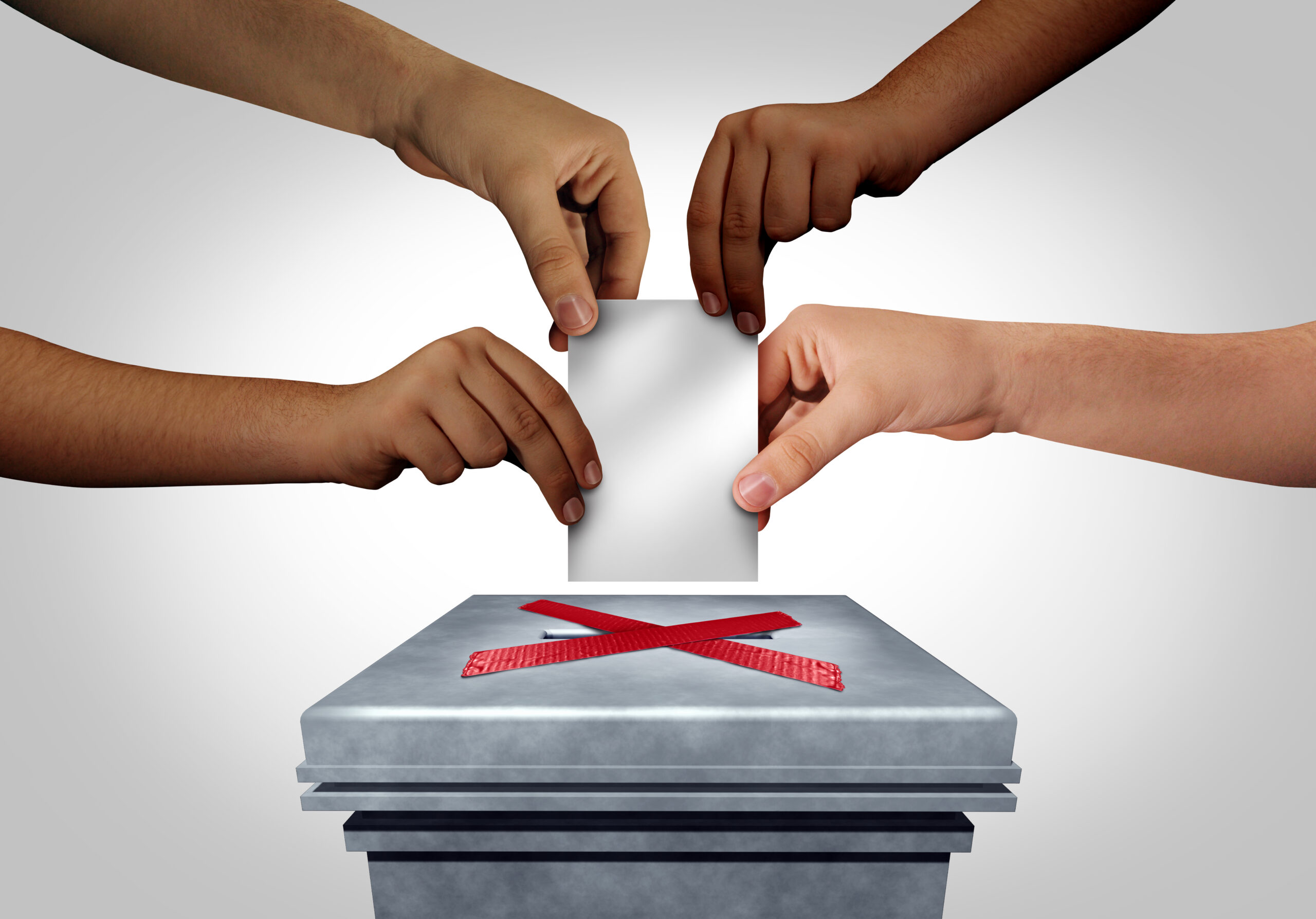
DOJ California: Files Lawsuit to Disenfranchise 20,000 Voters
Summary
- The Trump administration filed a lawsuit in Los Angeles federal court seeking to prevent the counting of approximately 20,000 ballots in California.
- The Department of Justice (DOJ) alleges these ballots were cast by potentially ineligible voters, identified by unnamed third-party software using a commercial voter list.
- Acting Deputy Attorney General R. Trent McCotter previously sent letters demanding California "segregate—not cancel" these ballots within 48 hours.
- Los Angeles County Registrar Dean Logan refused to use a DOJ-provided thumb drive containing the list, leading to federal criticism.
- The number of alleged non-citizen voters cited by federal authorities has significantly decreased from an initial 190,832 to around 20,000 in the current complaint.
Federal Lawsuit Targets California Ballots
This DOJ California 20,000 disenfranchisement lawsuit represents a significant instance of federal intervention state election processes, raising critical questions about the balance of power in election administration.
The Trump administration has initiated legal action in a federal court in Los Angeles, seeking a judicial mandate to prevent the counting of approximately 20,000 ballots in California. This lawsuit, filed yesterday, represents a direct federal intervention into state election administration, specifically targeting ballots that the Department of Justice (DOJ) claims were cast by potentially ineligible voters. The federal government's petition requests that these ballots be set aside and remain uncounted until individual proof of U.S. citizenship can be provided for each voter.
This legal challenge follows a series of urgent communications from Acting Deputy Attorney General R. Trent McCotter. On Tuesday, McCotter dispatched letters to California Secretary of State Shirley Weber and Los Angeles County Registrar Dean Logan, issuing a 48-hour deadline. The demand was for the state to "segregate—not cancel" the ballots associated with individuals on a specific list. The DOJ physically delivered this list to Logan's office on a password-protected thumb drive.
However, Registrar Logan declined to integrate the provided thumb drive into Los Angeles County's election database. This refusal drew sharp criticism from the federal government, which characterized Logan's decision as "demonstrating a total lack of commitment to work with the Federal Government to protect the integrity of our elections." Secretary Weber, commenting on the situation, highlighted the Department of Homeland Security's (DHS) reluctance to provide detailed methodology, noting their general evasiveness in "showing its work."
The Basis of the Challenge
The foundation of the DOJ California 20,000 disenfranchisement lawsuit rests on a list of voters allegedly generated by an unspecified "third-party software." This software reportedly utilized a commercially available list of registered voters to identify individuals whose ballots the DOJ now seeks to have segregated. The federal government's demand for ballot segregation is based on the premise that these 20,000 individuals may not be eligible to vote, specifically alleging non-citizen status.
Notably, the number of potentially ineligible voters cited by federal authorities has undergone significant revision. Initially, DHS Secretary Markwayne Mullin publicly asserted that 190,832 "non-citizens registered to vote in California" existed. However, the figures presented in the current lawsuit's complaint are considerably lower, varying between "over 20,000," "around 20,000," and "nearly 20,000," depending on the specific section of the document. This inconsistency in reported numbers has fueled skepticism among state officials regarding the federal government's data integrity and investigative methods.
Implications for Election Integrity
This DOJ California 20,000 disenfranchisement lawsuit represents a significant instance of federal intervention state election processes, raising critical questions about the balance of power in election administration. The attempt by the Trump administration to compel California to segregate ballots based on data from an undisclosed third-party source and an unverified list could set a precedent for future challenges to voter rolls and election outcomes. The demand to withhold ballots from counting without prior proof of ineligibility effectively shifts the burden of proof onto individual voters or the state, rather than requiring the challenging party to substantiate their claims before an election.
The lawsuit, specifically targeting California, underscores broader concerns about election integrity claims and the potential for politically motivated actions to impact voter access. The actions taken by R. Trent McCotter and the subsequent lawsuit against Shirley Weber and Dean Logan highlight a contentious approach to voter list maintenance, particularly when federal agencies demand access to state election systems or dictate how ballots should be handled based on external, unverified data. This case will be closely watched for its implications on states' autonomy in managing their elections and protecting the voting rights of their citizens against challenges based on potentially flawed or opaque data.
Practical Implications
Lawyers advising California election officials or political campaigns should closely monitor this lawsuit for precedents regarding federal intervention in state election processes, particularly concerning voter list challenges and demands for ballot segregation based on third-party data, which could impact future election administration and litigation strategies.
Source
How does this affect you?
Get an AI analysis of this article grounded in your jurisdictions, practice areas, and any policy documents you've uploaded to Wansom.
Finish Reading the Full Story and the Expert Analysis.
Get the latest legal & regulatory intelligence in United States
Wansom is AI and can make mistakes.