
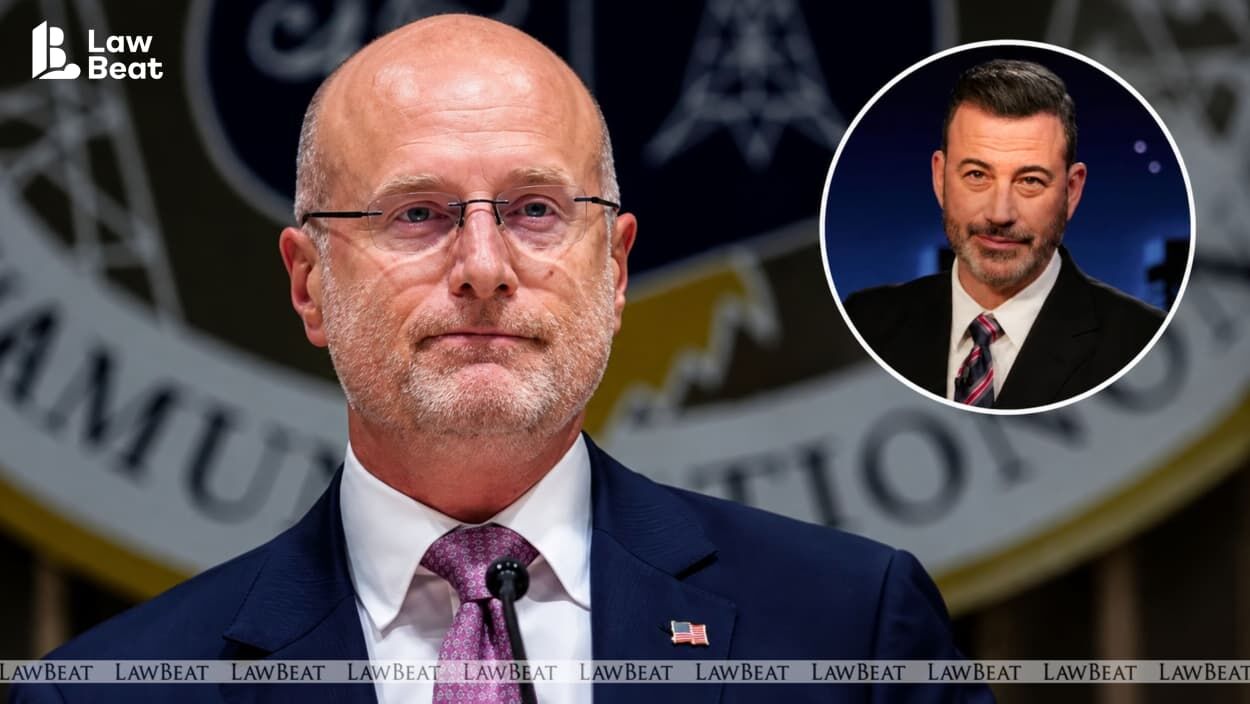
Disney Sues FCC Over ABC Licence Review, Alleging Regulatory Retaliation
Summary
- Disney and ABC have sued the FCC over an early review of their broadcast licenses.
- The lawsuit alleges that the FCC is using its regulatory powers to retaliate against the network over programming and editorial decisions disliked by the Trump administration.
- The dispute centers on the FCC's decision to require Disney's eight ABC-owned stations to submit their license renewal applications years ahead of schedule.
- The outcome may influence how regulators scrutinize diversity and inclusion policies in the broadcasting industry.
What's at Stake
The lawsuit points to several instances where ABC's programming and editorial decisions have been criticized by President Trump, including his public call for late-night host Jimmy Kimmel to be fired.
The dispute between Disney and the FCC has far-reaching implications for broadcast licensing and the government's ability to condition licenses on editorial decisions. The lawsuit, filed in August by Disney and ABC, alleges that the FCC is using its regulatory powers to retaliate against the network over programming and editorial decisions disliked by the Trump administration. This marks a significant escalation of tensions between the two parties, with the companies invoking the First Amendment to challenge the regulator's decision to subject their stations to an early review of their broadcast licenses. The stakes are high, as the outcome may influence how regulators scrutinize diversity and inclusion policies in the broadcasting industry.
The Regulatory Context
At the heart of the dispute is the FCC's decision to require Disney's eight ABC-owned stations to submit their license renewal applications years ahead of schedule. This move has been linked to an investigation into whether Disney engaged in unlawful discrimination through its diversity, equity and inclusion policies. The agency has said it has been examining this issue for over a year, but Disney disputes the basis and timing of the regulatory action. The FCC's actions have been criticized by some as an attempt to exert pressure on ABC over its editorial decisions, particularly in light of President Trump's public criticism of the network.
The Role of Politics
The dispute between Disney and the FCC has taken on a distinctly political tone, with many seeing it as a clash between the administration and the media. The lawsuit points to several instances where ABC's programming and editorial decisions have been criticized by President Trump, including his public call for late-night host Jimmy Kimmel to be fired. This has led some to accuse the FCC of using its regulatory powers to retaliate against ABC over its speech. However, the FCC maintains that its actions are based on legitimate regulatory concerns, rather than any attempt to influence editorial decisions.
Practical Implications
Lawyers should watch for the potential precedent set by this case, which could impact broadcast licensing and the government's ability to condition licensing on editorial decisions. The outcome may also influence how regulators scrutinize diversity and inclusion policies in the broadcasting industry.
Source
Source: Original reporting via [Source]
How does this affect you?
Get an AI analysis of this article grounded in your jurisdictions, practice areas, and any policy documents you've uploaded to Wansom.
Wansom is AI and can make mistakes.