
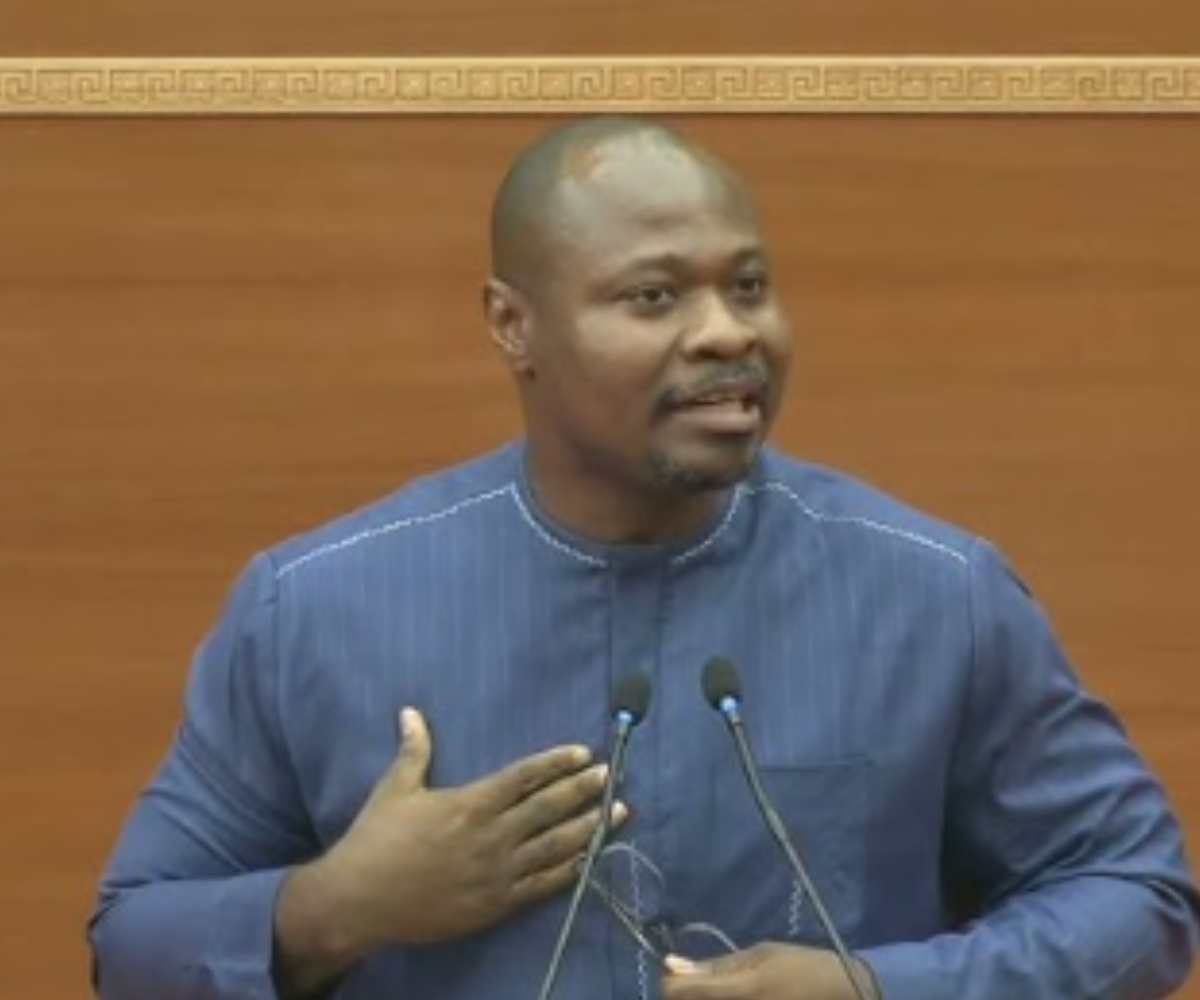
Guy Marius Sagna: Questions Government on Dionewar Land Spoliation
Summary
- Deputy Guy Marius Sagna submitted written questions to the government on multiple national issues.
- His inquiries include the restitution of Senegalese resistance fighters' skulls held in France.
- Sagna also raised concerns about land spoliation in Dionewar.
- The deputy questioned the follow-up on complaints filed in Fatick and the employment of cultural graduates.
- Finally, his questions addressed the timely payment of agents.
Parliamentary Inquiry Targets Key National Issues
The **Dionewar land spoliation Guy Marius Sagna** has brought to light represents a significant concern regarding property rights and the protection of local communities against unlawful appropriation of their ancestral lands.
Deputy Guy Marius Sagna has formally challenged the government by submitting a series of written questions concerning several pressing national matters. His parliamentary intervention seeks official responses and accountability across a diverse range of topics, from historical injustices to contemporary socio-economic challenges.
The questions underscore a legislative push for greater transparency and action from the executive branch. Sagna's initiative highlights issues that resonate deeply within the public discourse, reflecting concerns about heritage, land rights, judicial processes, and employment opportunities for specific professional groups.
This comprehensive inquiry signals a concerted effort by the deputy to bring various grievances and unresolved matters to the forefront of governmental attention, demanding concrete steps towards resolution and justice for the affected populations.
Demands for Historical Justice and Land Rights
Among the critical issues raised by Deputy Sagna is the urgent call for the restitution of the skulls of Senegalese resistance fighters, which are currently held in France. This demand speaks to a broader national aspiration for the return of cultural heritage and the acknowledgment of historical sacrifices, aiming to bring closure to a painful chapter of the nation's past.
Further emphasizing the pursuit of justice, Sagna's questions also address the contentious issue of land spoliation in Dionewar. The **Dionewar land spoliation Guy Marius Sagna** has brought to light represents a significant concern regarding property rights and the protection of local communities against unlawful appropriation of their ancestral lands. This specific inquiry seeks clarity on the extent of these spoliations and the government's strategy to address and rectify such injustices, ensuring that affected citizens receive due process and redress.
These two distinct but related issues — the repatriation of historical artifacts and the resolution of contemporary land disputes — collectively highlight a legislative focus on both historical and present-day forms of injustice, demanding a robust governmental response to uphold national dignity and protect citizen rights.
Addressing Judicial Follow-Up and Employment Concerns
Beyond historical and land-related matters, Deputy Sagna's written questions extend to the efficacy of the judicial system and specific employment challenges. He has specifically inquired about the follow-up on complaints that have been officially filed in Fatick, signaling a concern for the timely and effective processing of legal grievances and the need for judicial accountability.
Another significant area of focus for the deputy involves the employment prospects for graduates specializing in cultural professions. His questions aim to ascertain the government's plans and policies for integrating these skilled individuals into the workforce, recognizing the vital role of cultural sectors in national development and identity. This highlights a broader concern for youth employment and the utilization of specialized talents within the country.
Finally, Sagna's inquiry also touches upon the payment of agents, a matter that often reflects on administrative efficiency and the welfare of public sector or government-affiliated personnel. This aspect of his questioning underscores a commitment to ensuring fair labor practices and timely remuneration, which are fundamental to maintaining public trust and operational effectiveness within governmental structures.
Implications for Government Accountability
The comprehensive nature of Deputy Guy Marius Sagna's written questions serves as a significant mechanism for parliamentary oversight, compelling the government to provide detailed explanations and outline concrete actions on a range of critical issues. By formally interrogating the executive on matters spanning historical restitution, land rights, judicial processes, and employment, Sagna is actively pushing for greater governmental transparency and responsiveness.
This parliamentary action is not merely an act of inquiry but a direct challenge to the government to demonstrate its commitment to justice, good governance, and the welfare of its citizens. The diverse topics covered reflect a broad public interest and the expectation that the government will address these concerns with diligence and effective policy implementation.
Ultimately, Sagna's intervention aims to ensure that the government remains accountable to the people it serves, providing answers and solutions to long-standing issues that impact the nation's heritage, social equity, and economic stability.
Source
Source: Original reporting via {source}
How does this affect you?
Get an AI analysis of this article grounded in your jurisdictions, practice areas, and any policy documents you've uploaded to Wansom.
Finish Reading the Full Story and the Expert Analysis.
Get the latest legal & regulatory intelligence in Senegal
Wansom is AI and can make mistakes.