
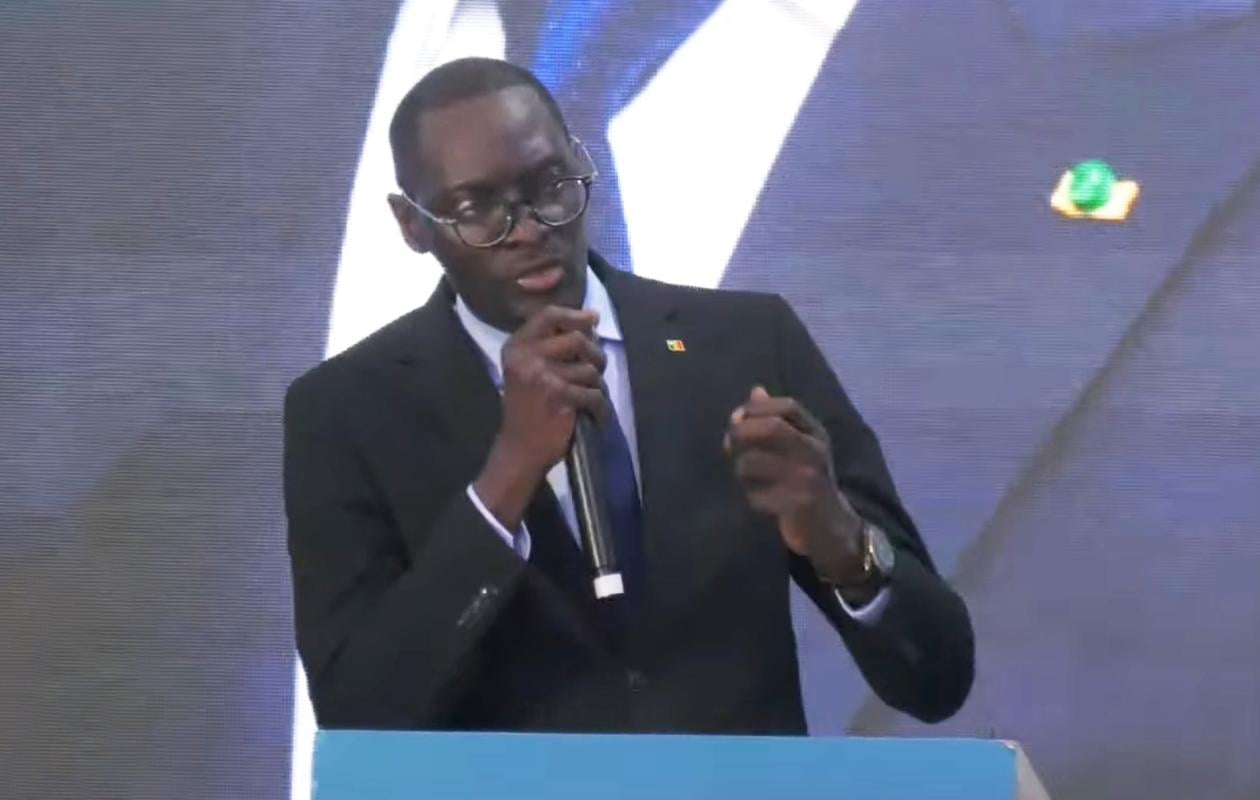
Bassirou Diomaye Faye: Décrets d’Avance to Tackle Senegal Impasses
Summary
- President Bassirou Diomaye Faye plans to use constitutional powers, including advance decrees and requesting a second reading, to address institutional and budgetary blockages.
- His spokesperson, Me Abdoulaye Tine, confirmed these options, stating they are legal responses to potential obstruction that could endanger the nation.
- The President is also considering dissolving the National Assembly, a constitutional prerogative, but acknowledges it as a risky move.
- This risk is heightened because President Faye's political alignment, through the PASTEF party, continues to command a significant majority in the National Assembly, having secured approximately 130 out of 165 seats in the November 2024 legislative elections.
- While dissolution is constitutionally possible from December 2026, dialogue and a people-focused budget are prioritized as alternatives to avoid political uncertainty.
President Faye's Strategic Levers
The strategic deployment of "Bassirou Diomaye Faye décrets d’avance" and the potential for a "Bassirou Diomaye Faye seconde lecture" signal a critical juncture for Senegal's legislative and governance processes.
President Bassirou Diomaye Faye is prepared to leverage the full scope of his constitutional and legal powers to address ongoing institutional and budgetary impasses in Senegal. According to his spokesperson, Me Abdoulaye Tine, the President views these actions as necessary responses to potential obstruction that could jeopardize the nation's stability. Among the specific mechanisms under consideration, Me Tine highlighted the use of "décrets d’avance" (advance decrees) and the option to request a "seconde lecture" (second reading) of legislative proposals. These tools are presented as lawful avenues for the head of state to navigate current governmental challenges.
The President, however, has expressed a clear preference against political factions organizing partisan support around his initiatives. Me Abdoulaye Tine, who also serves as a minister-counselor, conveyed in an interview with L’Observateur that these constitutional levers, including the "Bassirou Diomaye Faye décrets d’avance" and the "Bassirou Diomaye Faye seconde lecture," are being considered as vital options. This approach underscores a strategic intent to resolve blockages through established legal frameworks rather than through popular mobilization, emphasizing the importance of institutional dialogue over partisan rallying.
Constitutional Powers and Risks
Beyond legislative maneuvers, the President is also contemplating the "Dissolution Assemblée Nationale Sénégal" as another constitutional prerogative. While acknowledging this as a powerful tool, Me Abdoulaye Tine indicated on RFI that such a move would entail significant risks. The Constitution grants the President the authority to dissolve Parliament and call for early elections, though this specific power can only be exercised starting from December 2026. Should President Faye choose this path, it would undoubtedly usher in a period of heightened political uncertainty for the nation.
The context for this potential risk stems from a shift in the parliamentary landscape. Despite the dismissal of Ousmane Sonko on May 22, President Faye's political alignment, primarily through the PASTEF party, continues to command a significant majority in the National Assembly, having secured approximately 130 out of 165 seats in the November 2024 legislative elections. This continued parliamentary backing significantly complicates the political calculus surrounding any decision to dissolve the assembly, making it a high-stakes gamble despite being a recognized "Prérogatives constitutionnelles président Sénégal."
Addressing Institutional Blockages
The current "Blocage institutionnel Sénégal" has sparked considerable debate regarding alternative strategies to overcome the impasse without resorting to a dissolution of the National Assembly. Alioune Tine, the founder of Afrikajom Center, has put forth a suggestion that appointing a Prime Minister from within the existing parliamentary majority could offer a logical resolution to the governmental deadlock. This approach aims to foster greater alignment between the executive and legislative branches.
In his "Me Abdoulaye Tine déclarations," the President's spokesperson emphasized that the primary focus should remain on fostering dialogue between state institutions and ensuring the adoption of a budget that genuinely addresses the concerns of the populace. He reiterated the President's belief that safeguarding the Republic does not necessitate partisan mobilization, reinforcing the idea that institutional integrity and public welfare are paramount.
Why It Matters
The strategic deployment of "Bassirou Diomaye Faye décrets d’avance" and the potential for a "Bassirou Diomaye Faye seconde lecture" signal a critical juncture for Senegal's legislative and governance processes. These actions, alongside the looming possibility of a "Dissolution Assemblée Nationale Sénégal," could profoundly reshape the political landscape and the balance of power between the executive and legislative branches. The President's willingness to exercise his "Prérogatives constitutionnelles président Sénégal" reflects a determination to overcome current blockages, but also introduces a period of potential instability.
For legal and compliance professionals, these developments necessitate close monitoring. Changes in legislative processes, particularly through advance decrees, could impact budget approvals and the regulatory environment. The prospect of a dissolved National Assembly and subsequent early elections would introduce significant legal and policy uncertainties, requiring vigilance to adapt to rapid shifts that could affect business operations and compliance obligations. The ongoing "Blocage institutionnel Sénégal" underscores the importance of understanding these constitutional levers and their far-reaching implications.
Practical Implications
Lawyers and compliance officers in Senegal should closely monitor President Faye's use of constitutional levers, such as advance decrees and requests for a second reading, as these actions could significantly alter legislative processes, budget approvals, and the overall regulatory landscape. The potential for a dissolution of the National Assembly also signals a period of heightened political and legal uncertainty, necessitating vigilance for rapid changes in law or policy that could impact client operations or compliance obligations.
Source
How does this affect you?
Get an AI analysis of this article grounded in your jurisdictions, practice areas, and any policy documents you've uploaded to Wansom.
Wansom is AI and can make mistakes.