
Diomaye Faye: Paris Visit Amid Senegal 2026 Budget Rejection
Summary
- Senegal's National Assembly rejected the rectified 2026 finance law on November 3.
- The Finance Commission also excluded several projects, including the Presidency's, from the 2027 budget.
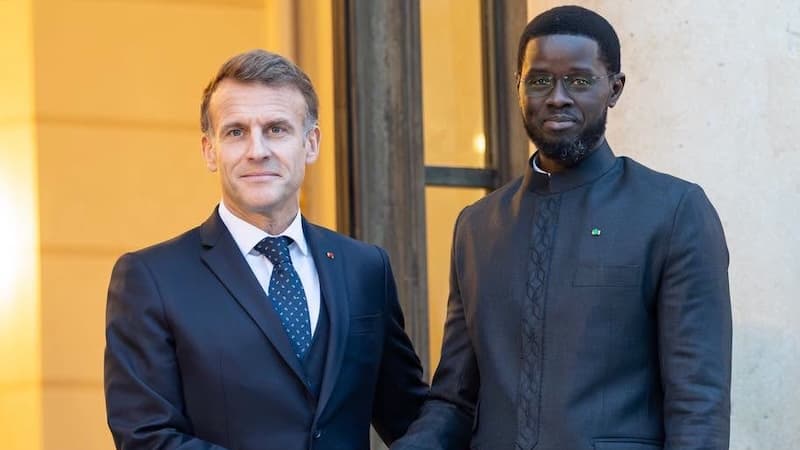
- President Bassirou Diomaye Faye visited Paris on November 9, 2026, meeting Emmanuel Macron at the Élysée.
- This Diomaye Faye Paris visit Senegal budget context is part of an ongoing effort to redefine Senegal-France ties, following the French military withdrawal in summer 2025.
- Discussions covered economic cooperation, an intergovernmental seminar, and France's assistance for the Dakar 2026 Youth Olympics.
Recent Political Developments in Senegal
President Bassirou Diomaye Faye's recent visit to Paris occurred amidst significant institutional tensions in Dakar, marked by legislative rejections of key financial proposals.
Dakar is currently experiencing a period of institutional strain, characterized by significant legislative actions concerning the nation's finances. On November 3, the National Assembly, where the Pastef party holds a majority, voted to reject the rectified finance law for 2026. This decision signals a notable challenge to the government's fiscal planning and legislative agenda.
Further exacerbating these budgetary tensions, the Finance Commission subsequently moved to exclude several proposed projects from the 2027 budget. Among these rejected initiatives was a portion specifically allocated for the Presidency of the Republic, underscoring the depth of the financial scrutiny and political disagreements within the government's financial oversight bodies.
Diomaye Faye's Diplomatic Engagements in Paris
It was against this backdrop of domestic budgetary challenges that President Bassirou Diomaye Faye embarked on a significant diplomatic engagement, undertaking a Paris visit. He was received by French President Emmanuel Macron at the Élysée Palace on Monday, November 9, 2026. This high-level meeting took place ahead of the Paris Peace Forum, an event that often draws global leaders, and its timing was officially announced by the Senegalese presidency.
This particular Bassirou Diomaye Faye France meeting is understood as a crucial step in the ongoing process to redefine the relationship between the two nations. This re-evaluation of ties has been a central theme of President Faye's administration since he assumed office in April 2024, aiming to forge a new framework for their bilateral interactions.
Evolving Senegal-France Partnership
The redefinition of the Senegal-France economic partnership has been a deliberate and multi-faceted endeavor. A significant milestone in this process was the complete withdrawal of French military forces from Senegal, which concluded in the summer of 2025. This move marked a tangible shift in the security dimension of their relationship.
President Faye had previously visited the Élysée in August 2025, with the stated objective of establishing new foundations for cooperation. The two leaders also convened in September of the preceding year in New York, on the margins of the United Nations General Assembly. Their discussions have encompassed preparations for an intergovernmental seminar between Senegal and France, alongside broader economic and commercial exchanges, all framed within the spirit of a renewed partnership. While specific international issues of common interest were also addressed, the Senegalese presidency did not elaborate on their nature. Furthermore, President Faye conveyed his appreciation to France for its support in organizing the Dakar 2026 Youth Olympics funding, noting that these are the first Olympic Games to be hosted on African soil and are scheduled to continue until November 13.
Implications of Senegal's Budgetary Challenges
The recent legislative actions, including the Senegal 2026 finance law rejection and the subsequent exclusion of presidential projects from the 2027 budget, highlight significant Senegal budgetary tensions impact. These decisions by the National Assembly and the Finance Commission underscore potential fiscal instability and signal a period of intense scrutiny over government spending and priorities.
The rejection of these financial proposals could have far-reaching consequences for the government's ability to implement its planned programs and maintain fiscal equilibrium. Such legislative pushback indicates a challenging environment for policy execution and may necessitate a re-evaluation of budgetary allocations and revenue strategies in the coming fiscal years.
Practical Implications
The rejection of Senegal's 2026 finance law and parts of the 2027 budget signals potential fiscal instability and policy shifts. Lawyers and compliance officers should advise clients on possible impacts to government contracts, tax obligations, and regulatory frameworks, monitoring for new measures to address the budget deficit.
Source
How does this affect you?
Get an AI analysis of this article grounded in your jurisdictions, practice areas, and any policy documents you've uploaded to Wansom.
Finish Reading the Full Story and the Expert Analysis.
Get the latest legal & regulatory intelligence in Senegal
Wansom is AI and can make mistakes.