
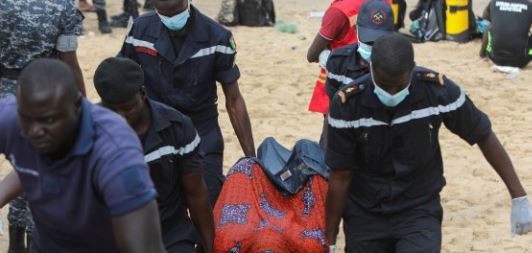
Diembéring: Corps Sans Tête Découverte, Second Body Found in 24 Hours
Summary
- The community of Diembéring, located in Senegal's Ziguinchor region, is deeply affected by recent events.
- Two lifeless bodies were discovered on the local coastline within a 24-hour period.
- The first body, found by an inn manager, was notably missing its head.
- These unsettling discoveries have prompted significant concern and raised many questions among residents.
The Unsettling Discoveries
The discovery of two lifeless bodies on the coastline of Diembéring, within a mere 24-hour span, has plunged the community into profound distress and raised numerous urgent questions.
The serene coastal town of Diembéring, situated within Senegal's Ziguinchor region, has been gripped by profound distress following the recent discovery of two lifeless bodies along its shoreline. These deeply unsettling finds, reported by L'Obs, occurred within a tight 24-hour window, casting a pall over the local community and prompting widespread concern. The unusual circumstances surrounding these events have immediately raised a multitude of questions among residents and authorities alike.
The initial discovery, which has particularly shocked the area, involved a body found without its head directly on the shore. This grim scene was first encountered by an inn manager operating in the vicinity, who then alerted the relevant authorities. The macabre nature of this find, a "Diembéring corps sans tête découverte," has been a central point of discussion and anxiety within the community.
Just a day later, a second "Diembéring corps sans vie plage" was located on the same stretch of coastline. While specific details regarding the second discovery were not immediately available, its proximity in time and location to the first has amplified the sense of unease. The presence of two deceased individuals washing ashore in such quick succession has transformed the tranquil littoral into a site of somber reflection and urgent inquiry for the Ziguinchor region.
Community Response and Initial Inquiries
The entire locality of Diembéring is currently experiencing a state of deep shock and emotional turmoil, referred to as "émoi," as residents grapple with the reality of these tragic events. The sequential discovery of two bodies, particularly the first one found in such a disfigured state, has naturally led to intense speculation and a pressing demand for answers from the public. The 24-hour interval between the finds is a key detail that has fueled many of these inquiries.
Such incidents invariably trigger an official response, and a "Diembéring enquête décès" would typically commence to ascertain the identities of the deceased and the circumstances leading to their deaths. The challenge of identifying bodies, especially those found in a compromised state or after prolonged exposure to marine conditions, is significant. This often leads to situations where "Sénégal corps non identifiés" become a difficult reality for investigators.
Authorities are expected to face the complex task of piecing together the events that led to these individuals washing ashore. The community's profound distress underscores the urgency for a thorough and transparent investigation to provide clarity and closure. The unusual nature of the discoveries, particularly the headless body, suggests a need for meticulous forensic examination to shed light on the origins and causes of these tragic deaths.
Broader Implications of Coastal Discoveries
The "Ziguinchor découverte corps littoral" highlights a recurring and somber phenomenon in coastal regions worldwide, where human remains are occasionally found washed up by the sea. While the specific causes can vary widely—from accidents at sea to more sinister circumstances—each discovery presents unique challenges for law enforcement and forensic teams. The fact that two bodies were found in such close succession in Diembéring amplifies the gravity of the situation.
Investigating such cases requires specialized expertise to determine if the individuals were victims of maritime incidents, foul play, or other tragic events. The condition of the bodies, particularly the absence of a head in the first instance, complicates the process of identification and determining the precise cause of death. This often necessitates collaboration between various agencies, including local police, gendarmerie, and medical examiners.
The impact of such discoveries extends beyond the immediate investigation, affecting the psychological well-being of coastal communities. Residents often feel a heightened sense of vulnerability and concern until the circumstances are fully understood. These events serve as a stark reminder of the unpredictable nature of the sea and the critical role of diligent investigation in providing answers to grieving families and concerned citizens.
Practical Implications
This news report details the discovery of bodies, which would typically trigger a criminal investigation by law enforcement. While it highlights a tragic event, it does not present a direct, actionable legal implication for lawyers or compliance officers in terms of new regulations, compliance exposures, or specific legal precedents to cite. It is a factual report of an ongoing incident.
Source
Source: Original reporting via L'Obs
How does this affect you?
Get an AI analysis of this article grounded in your jurisdictions, practice areas, and any policy documents you've uploaded to Wansom.
Finish Reading the Full Story and the Expert Analysis.
Get the latest legal & regulatory intelligence in Senegal
Wansom is AI and can make mistakes.