
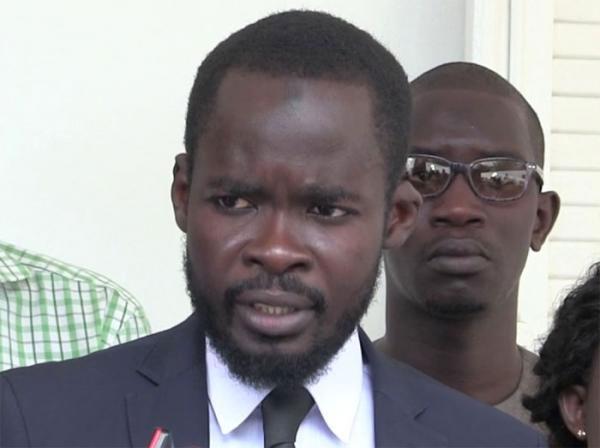
Babacar Ba: Urges Referendum on Senegal's Rejected Budget Choices
Summary
- Babacar Ba, President of the Forum du justiciable, urged President Diomaye on November 12, 2026, to consult Senegalese citizens on budgetary decisions rejected by deputies.
- The rejected rectifying finance law and ministerial/institutional credits could impact purchasing power, vulnerable people, employment, and security.
- Ba proposed a referendum to allow citizens to vote on specific expenditures, including subsidies, family allowances, private sector support, and new fire station construction.
- Earlier, on November 3, 2026, Ba suggested empowering the Constitutional Court to compel the National Assembly to vote on finance laws within a set timeframe.
- These proposals highlight a debate over direct citizen participation versus judicial intervention in resolving Senegal's budgetary impasses.
What Happened
To address this impasse, Babacar Ba has put forward a concrete proposal: a national referendum on the contested budgetary choices.
On November 12, 2026, Babacar Ba, who leads the Forum du justiciable, publicly urged President Diomaye to seek direct input from Senegalese citizens regarding certain budgetary decisions that had been rejected by parliamentary deputies. Ba emphasized that these specific financial choices, if not addressed, could significantly impact the daily lives of the populace. His call for a Babacar Ba référendum choix budgétaires Sénégal comes at a critical juncture for the nation's financial planning.
The core of the issue stems from the rejection of the rectifying finance law, alongside various ministerial and institutional credits. According to Ba, this rejection, if left unresolved, carries serious implications for the nation's economic stability and social welfare. He specifically highlighted potential negative effects on the purchasing power of citizens, the provision of protection for vulnerable individuals, overall employment rates, and national security. This situation underscores a significant challenge in the country's legislative and executive financial coordination.
The Referendum Proposal
To address this impasse, Babacar Ba has put forward a concrete proposal: a national referendum on the contested budgetary choices. This mechanism would allow the citizens of Senegal to directly express their will on these crucial financial orientations, effectively bypassing the parliamentary deadlock. The idea of a référendum budget rejeté Sénégal aims to empower the electorate in decisions that directly affect their well-being.
Among the specific expenditures that Ba suggests should be put to a popular vote are several key social and economic programs. These include the continuation of subsidies designed to alleviate the cost of living for ordinary citizens, the ongoing provision of family allowances, and sustained support for the private sector, which is vital for economic growth and job creation. Additionally, he mentioned the funding for the construction of new fire stations, indicating a focus on public safety infrastructure. This direct consultation, if adopted by président Diomaye consultation budgétaire, would represent a novel approach to resolving fiscal disputes.
Alternative Solutions and Legal Context
It is noteworthy that the November 12 referendum proposal is not the first time Babacar Ba has offered a solution to the country's budgetary challenges. Earlier, on November 3, he had presented a distinct institutional response to the ongoing fiscal stalemate. This earlier suggestion involved granting the Constitutional Court a specific power of injunction. The intent was for this court to be able to mandate the National Assembly to vote on finance laws within a predetermined timeframe, thereby preventing prolonged legislative inaction.
This earlier proposal, focusing on a Cour constitutionnelle injonction budgétaire, highlights a different legal avenue for resolving such disputes, contrasting with his current push for direct democratic engagement. While both proposals aim to break budgetary deadlocks, one seeks judicial intervention to ensure legislative action, and the other advocates for direct citizen participation through a referendum. The distinction between these two approaches underscores the multifaceted nature of the debate surrounding budget approval mechanisms in Senegal.
Why It Matters
The proposals put forth by Babacar Ba, particularly the call for a Babacar Ba référendum choix budgétaires Sénégal, introduce significant questions about the future of budgetary governance and democratic participation in the country. By suggesting a direct popular vote on financial matters, Ba is advocating for a profound shift in how public spending decisions are ratified, moving beyond traditional parliamentary processes when an impasse occurs. This could set a precedent for greater citizen involvement in fiscal policy.
Furthermore, his earlier suggestion regarding the Constitutional Court's role in compelling legislative action on finance laws points to a growing debate about the checks and balances within Senegal's governmental structure. These discussions are crucial for understanding potential evolutions in the legal and political landscape, especially concerning the approval of the loi de finances rectificative Sénégal and other critical financial legislation. The outcome of these debates could redefine the roles of the executive, legislative, and judicial branches in managing the nation's finances.
Practical Implications
Lawyers should monitor the political and constitutional debate around budget approval mechanisms in Senegal, as proposals for referendums or judicial intervention could introduce new legal avenues for challenging or ratifying public spending decisions, impacting clients involved in public contracts or social welfare programs.
Source
Source: Original reporting via Rewmi.
How does this affect you?
Get an AI analysis of this article grounded in your jurisdictions, practice areas, and any policy documents you've uploaded to Wansom.
Finish Reading the Full Story and the Expert Analysis.
Get the latest legal & regulatory intelligence in Senegal
Wansom is AI and can make mistakes.