
Diana London: Denies $4.5M Lobbying Controversy Payment in Nigeria
Summary
- American political strategist Diana London has denied receiving $4.5 million from Nigeria.
- The alleged payment was linked to her recent interview with President Bola Tinubu.
- London, CEO of London Global Strategies, stated her trip was solely for the interview.
- The denial comes amidst a broader "lobbying contract controversy" involving her activities.
The Controversy Unfolds
The controversy surrounding the 'London Global Strategies Nigeria contract' and the 'US strategist Nigeria lobbying allegations' illustrates the persistent challenges in navigating the intersection of media, politics, and international relations.
American political strategist Diana London, who also works as a media personality, has recently addressed significant allegations concerning her professional activities in Nigeria. The Chief Executive Officer of London Global Strategies has explicitly denied claims suggesting she received a substantial payment of $4.5 million. These allegations link the purported funds to either the Nigerian government or an unspecified individual within the country.
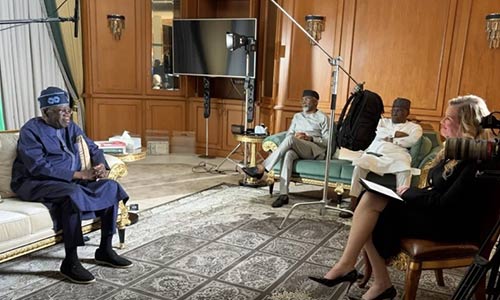
The core of the dispute centers on a recent interview London conducted with President Bola Tinubu. Critics have raised questions about the nature of her engagement, framing it within a broader "lobbying contract controversy." This situation highlights the intense scrutiny often directed at foreign political consulting and media engagements, particularly when large sums of money are rumored to be involved.
London's Rebuttal
In response to the swirling accusations, Ms. London firmly stated that her travel to Nigeria was solely for the purpose of conducting the interview with President Tinubu. She maintained that her presence in the West African nation was a journalistic endeavor, not a commercial transaction involving the alleged $4.5 million payment. Her denial directly refutes any implication that her media work was underwritten by the Nigerian state or any private entity there.
The strategist's statement aims to clarify the intent behind her visit and to distance herself and her firm, London Global Strategies, from the allegations of financial impropriety. This public denial is a critical component of her effort to manage the reputational fallout from the ongoing "US strategist Nigeria lobbying allegations."
Broader Implications of Foreign Engagements
This incident underscores the complex landscape surrounding international political consulting and media relations, particularly for American strategists engaging with foreign governments. The "Diana London $4.5m lobbying controversy" serves as a stark reminder of the heightened scrutiny that such arrangements attract, especially when they involve high-profile figures like President Bola Tinubu. The nature of these interactions often raises questions about transparency, potential influence, and the ethical boundaries between journalism and advocacy.
While the source does not detail the specifics of the "lobbying contract controversy" beyond the denial of the $4.5 million payment, such situations frequently bring into focus the stringent requirements of regulations like the Foreign Agents Registration Act (FARA) in the United States. Compliance with such acts is crucial for individuals and firms undertaking political or public relations activities on behalf of foreign principals, aiming to ensure transparency regarding foreign influence in U.S. policy and public opinion. The allegations surrounding the "Diana London Tinubu interview payment" highlight the need for clear distinctions between journalistic pursuits and lobbying efforts, emphasizing the potential legal and reputational risks involved in international engagements.
The controversy surrounding the "London Global Strategies Nigeria contract" and the "US strategist Nigeria lobbying allegations" illustrates the persistent challenges in navigating the intersection of media, politics, and international relations. For professionals like Ms. London, maintaining clarity regarding the purpose and funding of their activities is paramount to preserving credibility and avoiding entanglement in disputes over foreign influence.
Practical Implications
This controversy highlights the intense scrutiny and potential legal/reputational risks associated with foreign lobbying contracts and payments, particularly for US strategists engaging with foreign governments. Lawyers advising clients on international political consulting or lobbying activities should ensure robust compliance with anti-corruption laws and foreign agent registration requirements like FARA.
Source
How does this affect you?
Get an AI analysis of this article grounded in your jurisdictions, practice areas, and any policy documents you've uploaded to Wansom.
Finish Reading the Full Story and the Expert Analysis.
Get the latest legal & regulatory intelligence in Nigeria
Wansom is AI and can make mistakes.