
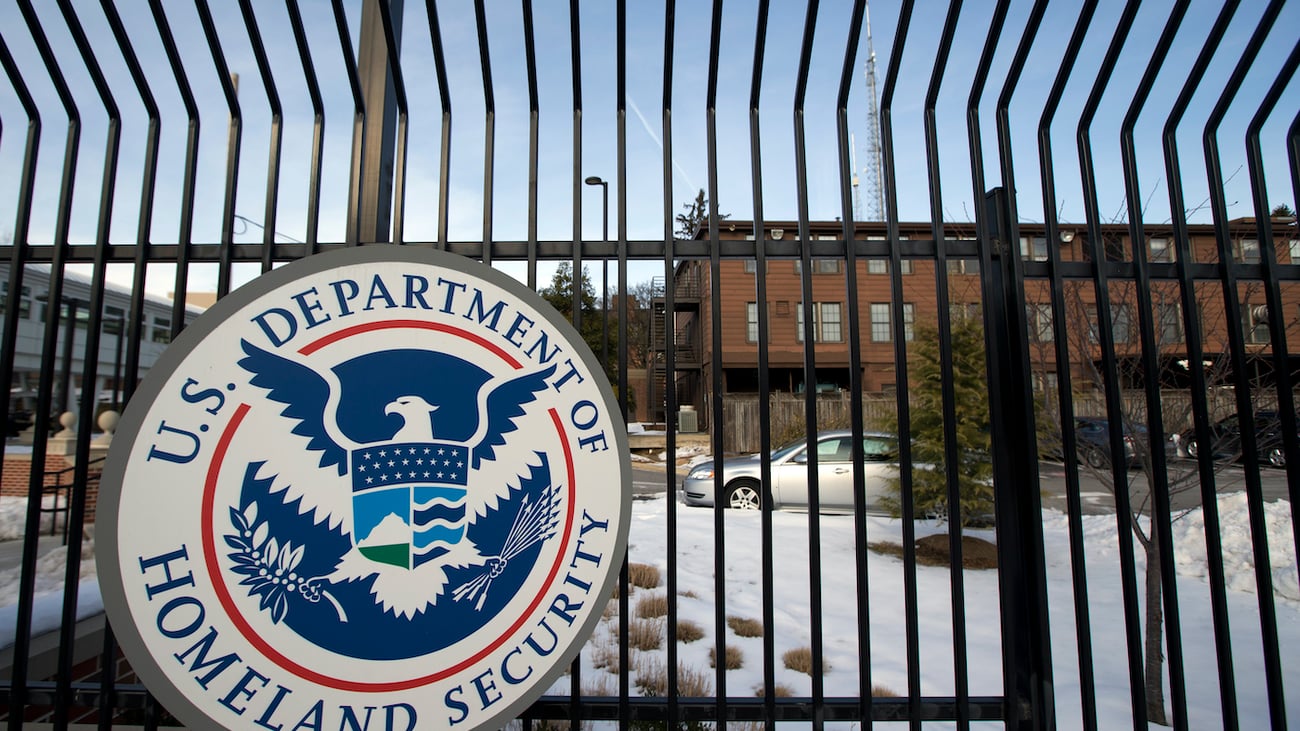
DHS: National Citizenship Database Supreme Court Appeal Seeks Voter Verification
Summary
- The Trump administration has appealed to the Supreme Court to reinstate a national citizenship database for voter verification during the midterm elections.
- A lower court previously blocked the Department of Homeland Security from collecting sensitive personal data, citing violations of federal privacy laws.
- The proposed system involves modifications to the existing Systematic Alien Verification for Entitlements (SAVE) program and a new USCIS Interagency Data System, encompassing millions of Americans' private information.
- Voting rights and privacy groups, including the League of Women Voters and the Electronic Privacy Information Center, are challenging the database, citing risks to privacy and fundamental voting freedoms.
- The administration argues the database is crucial for election integrity and verifying eligibility for both voters and benefits applicants, especially ahead of the November elections.
Supreme Court Appeal for National Citizenship Database
The high court's decision will weigh the federal government's asserted need for enhanced voter verification against profound concerns over federal voter data privacy and the potential impact on fundamental voting rights.
The Trump administration has formally requested the Supreme Court to authorize the establishment of a national citizenship database, intended for voter verification during the upcoming midterm elections. This appeal follows a lower court's decision to block the Department of Homeland Security (DHS) from compiling individuals' Social Security numbers, citizenship status, and other private information into a searchable repository. The lower court's ruling determined that this data collection violated federal privacy statutes, which prohibit the non-consensual disclosure of sensitive personal data.
In an emergency filing submitted on a Tuesday, DHS contended that the injunction jeopardizes the integrity of the November elections. The department argued that the order obstructs the federal government's essential function in responding to states' requests for citizenship verification. Solicitor General John Sauer underscored this point, asserting that the court order would inflict "irreparable harm" upon the federal government, individual states, and the public by denying access to an effective mechanism for confirming the eligibility of registered voters and applicants for various federal and state benefits.
Evolution of Federal Data Systems for Election Integrity
The push for a national citizenship database stems from an executive order issued by President Donald Trump, which directed the Department of Homeland Security to modify the existing Systematic Alien Verification for Entitlements (SAVE) system. Originally established in 1986, the SAVE tool was designed to enable federal, state, local, and tribal governments to ascertain an individual's immigration and nationality status. Its primary purpose was to determine eligibility for public benefits, licenses, grants, government credentials, or to assist in background checks.
Under the presidential executive order, the SAVE system underwent significant alterations. These modifications expanded its scope to include the records of natural-born citizens, grant access to Social Security records—including Social Security numbers—and permit bulk searches of records by SAVE users. In addition to these changes, the Trump administration also developed a separate "Interagency Data System" (IDS). This USCIS Interagency Data System consolidates various governmental data sources that may contain information pertinent to immigrants into a centralized "data lake" within U.S. Citizenship and Immigration Services. This comprehensive data repository reportedly encompasses millions of Americans' Social Security numbers, biometric data, tax information, employment records, and medical histories.
Legal Challenges and Federal Voter Data Privacy Concerns
The modifications to the SAVE system and the creation of the Interagency Data System have drawn sharp criticism and legal challenges. In September 2025, the League of Women Voters, joined by its Virginia and Louisiana chapters and the Electronic Privacy Information Center (EPIC), initiated a lawsuit against these changes. The plaintiffs likened the proposed database to the surveillance dossiers maintained on citizens in George Orwell’s dystopian novel, "1984." Democracy Forward, representing these organizations in the litigation, has pledged to vigorously oppose the administration's Supreme Court appeal.
Skye Perryman, President and CEO of Democracy Forward, articulated the gravity of the situation, stating that "millions of Americans’ sensitive personal information and the integrity of our elections are on the line, just weeks before the midterm elections." The Trump administration, however, countered that the SAVE modifications would not lead to voter disqualification, as the tool merely informs states whether the federal government can confirm citizenship. Consequently, the administration argued that challengers seeking relief would need to file separate lawsuits against any states that choose to disqualify voters based on SAVE data. DHS further emphasized that the SAVE system processes millions of citizenship verification requests weekly for a broad range of purposes, from maintaining accurate voter rolls to confirming eligibility for federal benefits. The administration asserted that compelling DHS to revert to an "older, more cumbersome, and less reliable version of the system" would cause irreparable harm to the federal government, states, and the public, particularly in the critical period leading up to the November elections.
Practical Implications
Lawyers advising on election law, privacy, or public benefits should closely monitor the Supreme Court's decision on the DHS appeal to revive the national citizenship database. A favorable ruling could introduce new voter verification compliance requirements for states and entities, while also raising significant data privacy concerns for individuals.
Source
How does this affect you?
Get an AI analysis of this article grounded in your jurisdictions, practice areas, and any policy documents you've uploaded to Wansom.
Finish Reading the Full Story and the Expert Analysis.
Wansom is AI and can make mistakes.