
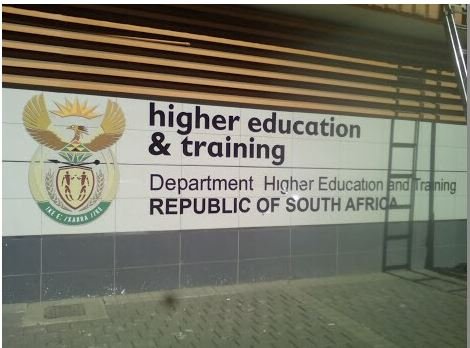
DHET South Africa: Private University Status Regulations Pathway Opens
Summary
- South Africa's Department of Higher Education and Training has established a legal pathway for private institutions to apply for official "university" status.
- The policy shift follows years of legal friction, including a 2019 high court ruling that accredited private institutions qualify under the Legal Practice Act.
- Major private education providers like Advtech and Stadio Holdings are actively preparing their infrastructure and curricula to meet forthcoming accreditation standards.
- Advtech plans to apply for university status for Rosebank International and Emeris, while Stadio Holdings intends to apply for Stadio Higher Education.
- Despite the final policy framework being gazetted in 2025, the specific application criteria and regulations are still in draft form, with no clear timeline for their finalization.
South Africa's Higher Education Landscape Poised for Change
This policy evolution is the culmination of several years of legal contention between private institutions and regulatory bodies.
South Africa's private tertiary education sector is on the cusp of a significant transformation, with major providers preparing for a structural shift that could narrow the historical divide between public universities and private institutions. This impending change stems from the Department of Higher Education and Training’s (DHET) promulgation of an updated institutional framework, which now offers a formal legal pathway for private education operators to apply for official "university" status.
However, the industry currently remains in a state of anticipation, awaiting the finalisation of specific application criteria and comprehensive regulations that will govern this new process.
Legal Precedents Pave the Way for New Accreditation
This policy evolution is the culmination of several years of legal contention between private institutions and regulatory bodies. A pivotal moment occurred in 2019 when a law graduate from Varsity College, an institution under Advtech, was denied registration by the Law Society. The refusal was based on the college not being formally recognized as a "university." This matter escalated to the high court, which ultimately ruled that accredited private institutions indeed qualify under the Legal Practice Act. The court declared the registration restriction to be unjust discrimination, particularly given that the degrees offered by these private entities were accredited by the same bodies as those from public universities. This ruling was subsequently upheld by the Constitutional Court.
Furthermore, the Higher Education Act had been amended as early as 1997, mandating the government to publish criteria for private institutions seeking university qualification. Despite this legislative requirement, delays persisted, leading Advtech to initiate legal action against the higher education minister in 2022 to compel the publication of draft criteria. While the final policy framework was officially gazetted in 2025, the crucial underlying regulations and the formal application process have yet to be fully established.
Private Education Giants Gear Up for University Status
For prominent JSE-listed education groups such as Advtech and Stadio Holdings, transitioning from designations like "higher education college" to "university" represents a substantial operational and valuation milestone. Advtech has confirmed its intention to apply for full university status for two of its consolidated tertiary brands, Rosebank International and Emeris, as soon as the government publishes the pending regulations outlining application criteria, timelines, and accreditation standards. Geoff Whyte, Advtech Group CEO, commented on the forthcoming regulations, expressing that resolving the accreditation framework will create a more equitable environment for private-sector graduates. He welcomed the 2025 policy promulgation, acknowledging its role in establishing a formal route for private higher education institutions to pursue university status. Whyte anticipates that these resolutions will ultimately benefit students by granting them the same recognition as their peers who obtain equivalently accredited qualifications from public universities.
Stadio Holdings is also actively preparing for this regulatory shift. CEO Chris Vorster informed investors that the group is diligently readying its academic and physical infrastructure to meet the forthcoming DHET standards. Vorster articulated the belief that Stadio is a "university in waiting" and is confident in its ability to satisfy the criteria set by the department when applications for university status open. Stadio's investment priorities include expanding its curriculum, faculties, and offerings, enhancing teaching and learning across its campuses, boosting research output, and strengthening community engagement initiatives.
Anticipation Builds Amidst Regulatory Ambiguity
Despite the advanced preparations by leading private education providers, a degree of regulatory ambiguity persists. Chris Vorster of Stadio Holdings reported visiting the Department of Higher Education and Training to seek clarity on regulatory timelines. However, he noted that specific criteria remain in draft form, and there is still no clear timeline for when the comprehensive regulations will become available. Vorster acknowledged the complexities involved but affirmed that the department is actively working on the matter and that the changes are imminent.
Consequently, Stadio continues its preparations, operating under the assumption that it could potentially achieve university status at any given moment. Once the regulations are officially gazetted, Stadio plans to submit its application for full university status for Stadio Higher Education.
Practical Implications
Lawyers advising private higher education institutions in South Africa must closely monitor the finalisation of DHET's university status application criteria and regulations to guide clients through the new accreditation process and ensure compliance with evolving higher education standards.
Source
How does this affect you?
Get an AI analysis of this article grounded in your jurisdictions, practice areas, and any policy documents you've uploaded to Wansom.
Finish Reading the Full Story and the Expert Analysis.
Get the latest legal & regulatory intelligence in South Africa
Wansom is AI and can make mistakes.