
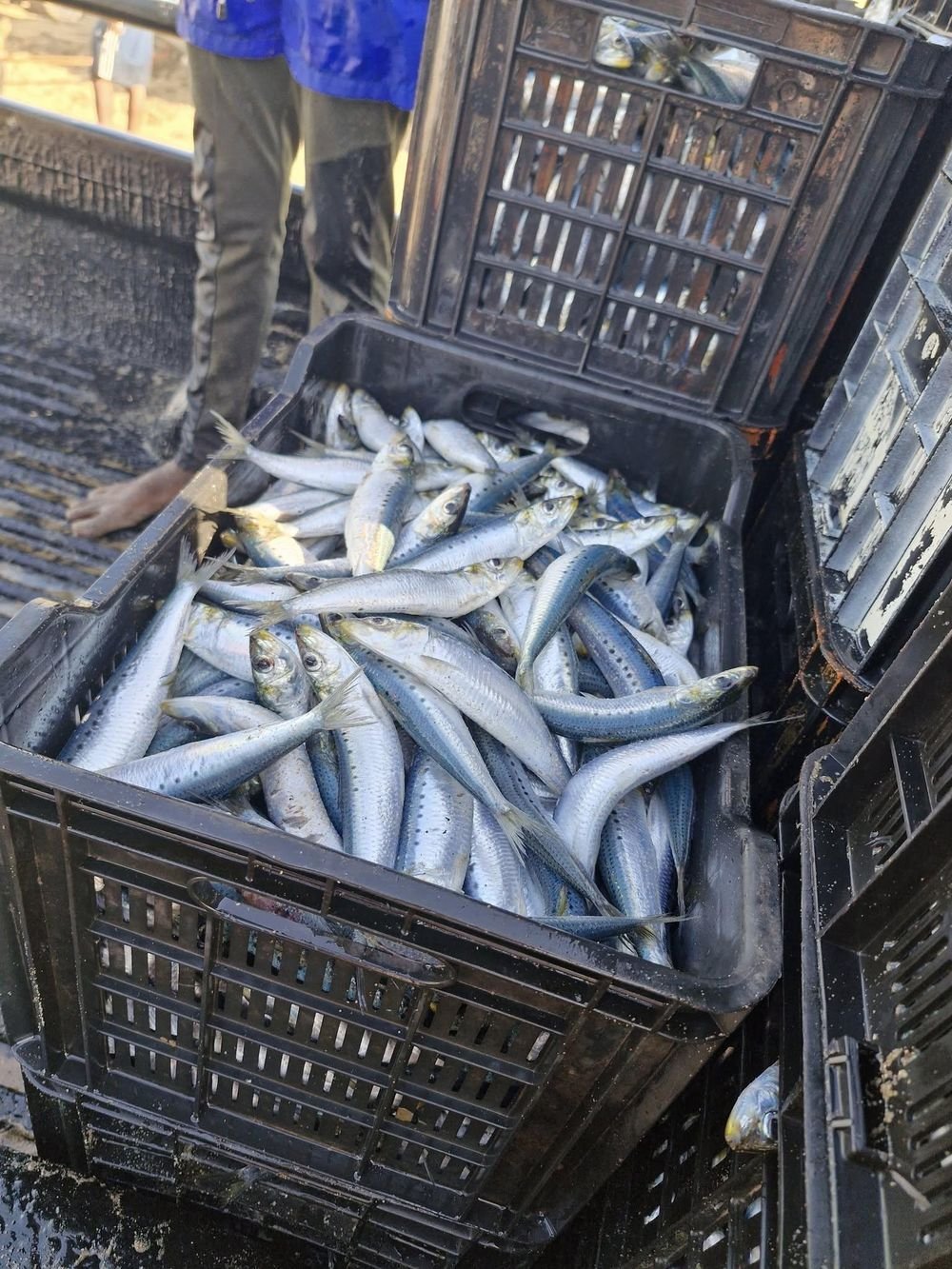
DFFE South Africa: Pilchard Herpesvirus Monitoring Intensifies After Sardine Deaths
Summary
- The DFFE is monitoring an unusual sardine mortality event across South Africa's coast, linked to Pilchard Herpesvirus (PHV).
- PHV genetic material has been confirmed in South African sardines for the first time, though its causal role is still under investigation.
- The event spans approximately 2,600 km, but the full impact on the overall sardine stock remains uncertain and requires continued monitoring.
- A coordinated, science-based response involves multiple agencies and the fishing industry to assess the situation and its DFFE marine ecosystem impact.
Unprecedented Sardine Mortality Event Prompts DFFE Monitoring
This ongoing DFFE Pilchard Herpesvirus South Africa monitoring and investigation holds significant implications for the South African fishing industry regulations, potentially influencing future quotas, environmental compliance, and operational practices for commercial fishing licenses and sustainability reporting.
The Department of Forestry, Fisheries and the Environment (DFFE) is actively engaged in DFFE Pilchard Herpesvirus South Africa monitoring following an unusual South Africa sardine mortality event. Reports of this widespread die-off began in July of this year, affecting an extensive coastal stretch from the Western Cape, across the southern and eastern seaboards, up to the northern Wild Coast, and even extending along the Namibian coastline. Pilchard Herpesvirus (PHV) has been identified as the primary suspect, with its presence confirmed in sardine samples linked to the mortality, including those collected in Gqeberha.
While PHV currently stands as the leading explanation for the observed deaths, the DFFE emphasizes that the precise role of the virus and any potential contributions from environmental factors are still under rigorous investigation. The full scope and ultimate DFFE marine ecosystem impact of this event remain undetermined. Consequently, the department, in collaboration with its scientific partners, continues to track new reports, conduct diagnostic testing, and thoroughly assess the distribution, scale, progression, and broader implications for both the sardine population and the wider marine environment.
First Confirmed PHV Detection in South African Waters
Laboratory analysis has definitively confirmed the presence of PHV genetic material in South African sardines associated with the ongoing mortality event, including specimens from Gqeberha. This marks the first confirmed Pilchard Herpesvirus PHV detection within South African sardine populations. Historical surveillance conducted in 2016 did not identify PHV, providing a valuable baseline, though it does not clarify the timeline for the virus's introduction into South African waters.
It is crucial to note that while the detection of viral genetic material confirms the virus's presence, it does not, by itself, conclusively prove active disease or direct causation of death. Scientists are meticulously evaluating a combination of PCR and sequencing results, viral load levels, pathological findings, the geographical distribution and progression of the mortality event, and other potential contributing factors. Despite these ongoing assessments, PHV continues to be considered the most probable cause, even as its definitive causal role is still being thoroughly evaluated.
Assessing the Scale and Potential Stock Impact
The reported geographical span of the mortality event covers approximately 2,600 kilometers, stretching from Henties Bay to the northern Wild Coast. However, the DFFE cautions that this figure represents the extent of reported sightings rather than a precise estimate of the total number of fish affected. Furthermore, PHV has not been confirmed at every location where mortalities have been observed, and the sequence of sightings alone does not provide conclusive evidence regarding the virus's movement or speed. Factors such as fish migration, ocean currents, inconsistencies in surveillance efforts, and delays in reporting must also be taken into account when interpreting the spread.
Preliminary investigations suggest that the current mortality event does not represent a significant proportion of the overall sardine stock. Nevertheless, these estimates are subject to considerable uncertainty, and the event may not yet have concluded. Ongoing DFFE Pilchard Herpesvirus South Africa monitoring is therefore essential. The department advises against prematurely deeming the stock unaffected or implying that all uncertainties have been resolved. While current scenarios do not indicate a substantial proportional loss to the stock, the event's full course is still unfolding. A more reliable, fisheries-independent estimate of sardine biomass and distribution post-event is anticipated from the hydroacoustic survey scheduled for October/November.
Coordinated National Response and Industry Implications
In response to this complex situation, the DFFE is implementing a comprehensive, science-based strategy that addresses multiple facets of the outbreak. This coordinated effort includes disease surveillance, laboratory testing, pathological examinations, environmental investigations, systematic mortality reporting, fisheries-resource assessment, broader ecosystem monitoring, management of stranded fish, public health communication, and extensive stakeholder coordination.
The High-Level PHV Task Team is responsible for orchestrating this broader response. The DFFE is working collaboratively with a wide array of partners, including provincial authorities, local municipalities, the South African Institute for Aquatic Biodiversity (SAIAB), Rhodes University, the South African fishing industry, and Namibian counterparts, alongside other relevant institutions. This ongoing DFFE Pilchard Herpesvirus South Africa monitoring and investigation holds significant implications for the South African fishing industry regulations, potentially influencing future quotas, environmental compliance, and operational practices for commercial fishing licenses and sustainability reporting.
Practical Implications
Compliance officers and legal counsel in the South African fishing industry should closely monitor the DFFE's ongoing investigation into the Pilchard Herpesvirus outbreak. The findings could lead to new fishing quotas, environmental regulations, or operational restrictions impacting commercial fishing licenses and sustainability reporting.
Source
How does this affect you?
Get an AI analysis of this article grounded in your jurisdictions, practice areas, and any policy documents you've uploaded to Wansom.
Finish Reading the Full Story and the Expert Analysis.
Get the latest legal & regulatory intelligence in South Africa
Wansom is AI and can make mistakes.