
Derrick Callella: Probation Sentence for Fake Nancy Guthrie Ransom
Summary
- Derrick Anthony Callella received five years probation for sending fake bitcoin ransom notes to Nancy Guthrie's family.
- Callella used a VoIP number registered with his full name, allowing the FBI to track him via his email and IP address.
- He pleaded guilty to two counts of Class E felony telecommunications harassment, receiving concurrent sentences from U.S. District Judge John C. Hinderaker.
- Callella blamed methamphetamine addiction for his actions and is undergoing mandated substance abuse treatment as part of his probation.
- Nancy Guthrie, 84, remains missing, with ongoing investigations into her disappearance and other ransom notes, some of which the FBI still considers legitimate.
California Man Sentenced for Fake Ransom Notes
This case underscores the significant capability of law enforcement to trace digital communications, even when individuals attempt to obscure their identity through methods like VoIP.
Derrick Anthony Callella, a 42-year-old California resident, has received a five-year probation sentence for sending fraudulent ransom notes to the family of Nancy Guthrie, who has been missing for seven months. Callella's actions involved texting family members, including "Today" show host Savannah Guthrie and her husband, just two days after Nancy Guthrie was reported missing from her Tucson, Arizona, home. His stated intention was "to see if the family would respond" to his demands for bitcoin payment, which he admitted to requesting in a Tucson courtroom.
Callella's scheme involved using a Voice over Internet Protocol (VoIP) service to acquire a new phone number for sending the text messages. However, he registered this new number to an email account that included his full name. This critical detail, combined with his IP address, allowed the FBI to successfully trace him to his residence in California. Approximately three minutes after dispatching the texts, Callella made a brief, nine-second call to another family member before disconnecting.
Legal Proceedings and Addiction Context
In July, Derrick Callella pleaded guilty to two counts of harassment using a telecommunications device, both classified as Class E felonies. During his sentencing in a Tucson courtroom, U.S. District Judge John C. Hinderaker imposed the lightest recommended sentence: two concurrent five-year probation terms. The conditions of his probation mandate sustained substance abuse treatment, regular testing, and mental health services, reflecting concerns raised in a pre-sentencing memorandum.
Callella attributed his behavior, in part, to a methamphetamine addiction, claiming it "removed his inhibitions and his capacity for clear decision making." He tested positive for the substance on July 2, the day of his guilty plea, and was subsequently ordered by a magistrate judge to a residential treatment facility. He asserts he has not used methamphetamine since, expressing a commitment to being "addicted to his recovery." Callella also emphasized that he had no actual connection to the kidnapping of Nancy Guthrie, merely following the case in the news and being aware of other ransom notes demanding bitcoin.
The Ongoing Search for Nancy Guthrie
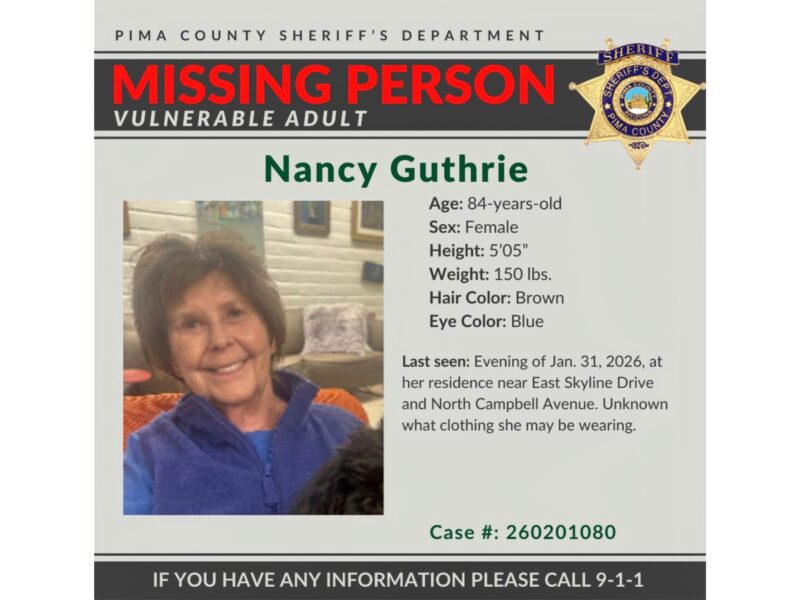
The underlying case involves the disappearance of 84-year-old Nancy Guthrie, who remains missing. She was first reported missing on February 1 after failing to appear for church service. Investigations by both the FBI and the Pima County Sheriff’s Office revealed that the Ring camera at her Tucson home was disconnected at 1:47 a.m. on that day. Footage released by the FBI from the doorbell camera shows a man in a ski mask tampering with the device before the video feed ceased. Further, at 2:28 a.m., Guthrie's pacemaker disconnected from her phone application. Her family has stated that she has limited mobility and relies on vital medications.
Investigators also discovered a trail of blood on her porch, which matched Guthrie's DNA, and many of her personal belongings, including her cellphone, were left behind. The FBI has been investigating multiple ransom notes related to the case. A local CBS affiliate received one such note via an online tip portal, which included a bitcoin wallet for payment and was promptly turned over to the FBI. While the FBI has remained tightlipped about specific details of these notes, they have determined a more recent note claiming Guthrie's death to be fake, though some other notes are still being investigated as legitimate. Law enforcement has not yet named any suspects in Nancy Guthrie's disappearance, and the FBI has established a tip line, offering a $100,000 reward for information.
Implications of Digital Traceability in Harassment Cases
This case underscores the significant capability of law enforcement to trace digital communications, even when individuals attempt to obscure their identity through methods like VoIP. Derrick Callella's use of a new phone number, which he registered with his full name, ultimately led to his identification and arrest. The FBI's successful tracking of his IP address further illustrates the digital footprint left by online activities, making it increasingly difficult for perpetrators of telecommunications harassment to remain anonymous.
The prosecution and sentencing of Derrick Callella for a Class E felony telecommunications harassment serves as a stark reminder of the serious legal consequences associated with such conduct. Even without direct involvement in a primary crime like kidnapping, individuals who exploit tragic situations for malicious purposes through digital means face substantial penalties. The case highlights that actions taken online, even those perceived as anonymous, are often traceable and can lead to felony charges, emphasizing the importance of understanding the legal ramifications of digital interactions.
Practical Implications
This case demonstrates law enforcement's capability to trace digital communications, even those using VoIP or other anonymizing methods, for telecommunications harassment. Lawyers should advise clients on the traceability of online actions and the potential felony charges for such conduct, even when not directly involved in a primary crime.
Source
How does this affect you?
Get an AI analysis of this article grounded in your jurisdictions, practice areas, and any policy documents you've uploaded to Wansom.
Finish Reading the Full Story and the Expert Analysis.
Wansom is AI and can make mistakes.