
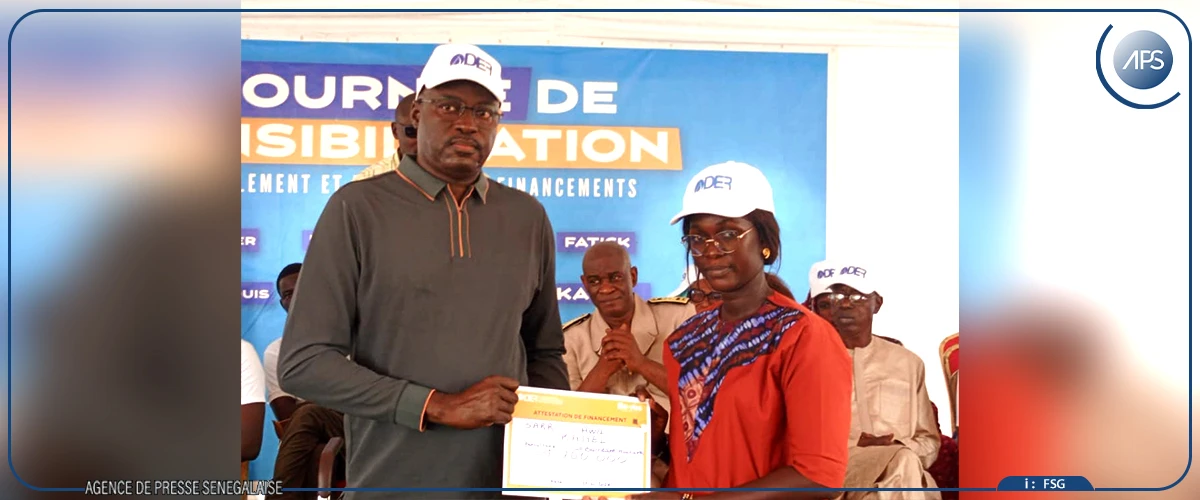
DER/FJ: Renforce le Recouvrement Crédits au Sénégal via Organisations
Summary
- The Délégation générale à l’entreprenariat rapide des femmes et des jeunes (DER/FJ) plans to enhance the role of umbrella organizations in credit recovery.
- This initiative focuses on strengthening amicable debt collection for financings granted to beneficiaries.
- DER/FJ will provide these organizations with more resources to facilitate the repayment of owed sums.
- The announcement was made in Kanel on October 23 by the general delegate.
What Happened
By empowering these intermediary organizations, DER/FJ seeks to provide them with additional resources and tools.
The Délégation générale à l’entreprenariat rapide des femmes et des jeunes (DER/FJ) has announced its intention to bolster the involvement of umbrella organizations in the amicable recovery of credits extended to its beneficiaries. This strategic move, revealed in Kanel on October 23, aims to streamline the process of debt repayment for the numerous individuals and groups who have received financial support from the agency. The general delegate of DER/FJ articulated this vision, emphasizing a proactive approach to managing the financial lifecycle of its projects.
This initiative specifically targets the enhancement of amicable debt collection, a critical component of sustainable credit management. By empowering these intermediary organizations, DER/FJ seeks to provide them with additional resources and tools. The ultimate objective is to facilitate the efficient reimbursement of outstanding sums, ensuring the continued viability of the agency's financing programs and fostering a robust ecosystem for entrepreneurship among women and youth across Senegal. This policy shift underscores a commitment to strengthening the overall framework for DER/FJ recouvrement crédits Sénégal.
Context of DER/FJ's Mission
The DER/FJ plays a pivotal role in Senegal's economic development strategy, focusing on empowering women and young entrepreneurs through rapid financing mechanisms. Its mandate involves providing crucial financial lifelines to underserved populations, thereby stimulating local economies and fostering job creation. The success of these programs, however, hinges significantly on the effective recovery of disbursed funds, allowing for the reinvestment into new projects and beneficiaries. The current emphasis on strengthening amicable recovery methods reflects a broader strategic adjustment within the agency's operational framework.
The financements bénéficiaires DER/FJ are designed to be accessible and impactful, but their sustainability relies on a robust repayment system. This new policy, therefore, is not merely about debt collection but about reinforcing the entire cycle of financial inclusion and support. By engaging organisations faîtières recouvrement amiable more deeply, DER/FJ aims to leverage their local presence and community ties, transforming them into key partners in ensuring the financial health of its portfolio. This approach is central to the ongoing politique DER/FJ recouvrement, aiming for both social impact and financial prudence.
Implications for Credit Recovery
This strategic enhancement of the role of umbrella organizations in amicable credit recovery carries significant implications for the broader landscape of droit des crédits Sénégal. By providing these entities with "davantage de moyens" – more resources – DER/FJ is setting a precedent for how public financing institutions can collaborate with civil society to improve debt management. This could lead to the development of more localized and culturally sensitive recovery mechanisms, potentially reducing the need for more formal or adversarial legal processes. The focus on amicable solutions also aligns with principles of restorative justice and community-based problem-solving, which can be particularly effective in microfinance contexts.
For legal professionals and organizations involved in credit recovery, this development signals a need to monitor the specific frameworks and tools DER/FJ will implement. Understanding the expanded capacities and responsibilities of these umbrella organizations will be crucial for advising clients who are either beneficiaries of DER/FJ financing or are themselves involved in credit recovery operations. The emphasis on strengthening organisations faîtières recouvrement amiable suggests a shift towards preventative and collaborative approaches, which could influence standard practices in debt collection across the country, particularly within the realm of public development financing.
Why It Matters
The decision by DER/FJ to empower umbrella organizations in credit recovery is a significant policy statement regarding the future of public financing in Senegal. It highlights a recognition that sustainable development initiatives require not only the disbursement of funds but also effective and community-centric strategies for their recoupment. This approach could serve as a model for other development agencies seeking to balance social impact with financial responsibility. The success of this initiative will largely depend on the clarity of the mandates given to these organizations and the adequacy of the resources provided.
Ultimately, this move is poised to enhance the efficiency of the DER/FJ recouvrement crédits Sénégal system, ensuring that funds can be recycled to support a continuous stream of new entrepreneurs. It reinforces the idea that local organizations are vital partners in the economic development process, capable of facilitating crucial financial transactions and fostering a culture of repayment. The long-term impact could be a more resilient and self-sustaining ecosystem for rapid entrepreneurship, driven by a collaborative approach to financial management.
Practical Implications
Lawyers advising clients who have received DER/FJ financing or umbrella organizations involved in credit recovery should monitor the specific measures and frameworks DER/FJ will implement to strengthen amicable debt collection, as this could impact repayment terms and recovery processes and potentially create new compliance obligations or opportunities for these organizations.
Source
Source: Original reporting via APS
How does this affect you?
Get an AI analysis of this article grounded in your jurisdictions, practice areas, and any policy documents you've uploaded to Wansom.
Finish Reading the Full Story and the Expert Analysis.
Get the latest legal & regulatory intelligence in Senegal
Wansom is AI and can make mistakes.