
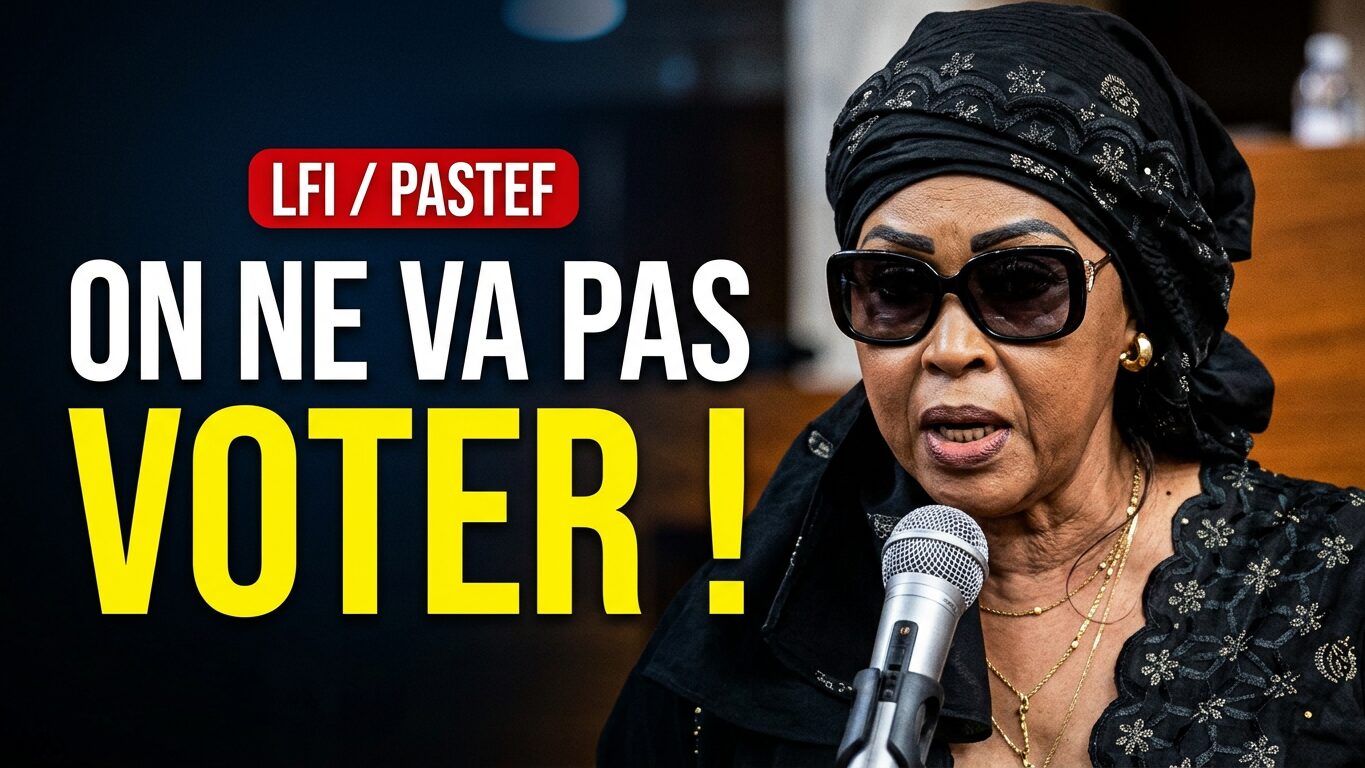
Deputy Maimouna Bousso: Majority Will Not Vote for 2027 Finance Bill
In Senegal, Deputy Maimouna Bousso publicly announced that the parliamentary majority intends to reject the 2027 Finance Bill during a plenary session scheduled for November 18, 2026, asserting the majority's commitment to taking full responsibility.
This declaration from a representative of the parliamentary majority indicates a significant political development, suggesting a coordinated and potentially decisive opposition to the government's proposed 2027 Finance Bill. Such a stance could lead to a legislative impasse, compelling the government to either revise its budget proposal or engage in intense negotiations to secure its passage, thereby impacting the predictability and stability of national fiscal policy and potentially delaying critical government programs.
The adoption of the Finance Bill (Loi de finances) is a fundamental annual constitutional responsibility of the Senegalese National Assembly, outlining the state's financial provisions for the upcoming fiscal year. The position of the parliamentary majority is particularly influential, as their collective vote typically determines the outcome of legislative matters. A rejection of the Finance Bill would trigger specific constitutional procedures for resolving such a deadlock, which could include the presentation of a revised bill, the implementation of a provisional budget, or even a broader political crisis. The outcome of the vote on this bill is not yet reported.
The key parties involved are Deputy Maimouna Bousso, representing the parliamentary majority, and the Senegalese National Assembly, which is tasked with deliberating and voting on the Finance Bill. The government, as the proposer of the bill, is also a central party in this legislative process.
Legal and financial professionals in Senegal must closely monitor the ongoing legislative debate surrounding the 2027 Finance Bill, especially given the stated intention of the parliamentary majority to reject it. The eventual outcome of this legislative process will have direct and profound implications for taxation, public expenditure, and the overall economic framework, affecting businesses, investors, and public sector operations. Advising clients on potential fiscal policy shifts, regulatory changes, and the broader economic outlook will require a thorough understanding of the evolving political and legislative landscape.
How does this affect you?
Get an AI analysis of this article grounded in your jurisdictions, practice areas, and any policy documents you've uploaded to Wansom.
Finish Reading the Full Story and the Expert Analysis.
Get the latest legal & regulatory intelligence in Senegal
Wansom is AI and can make mistakes.