
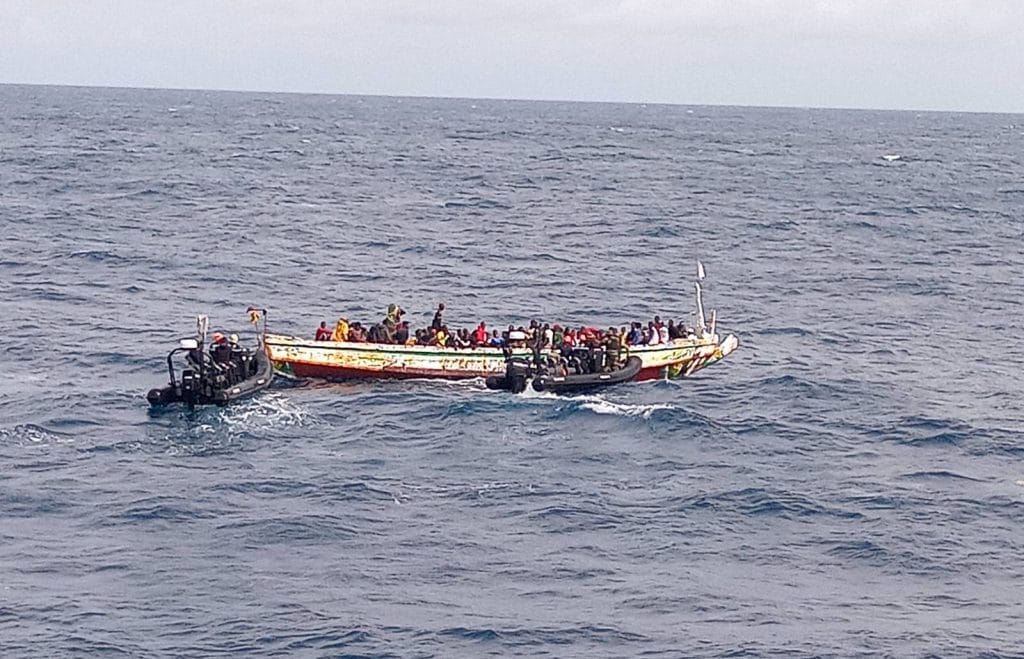
Senegal Navy Intercepts 104 Irregular Migration Candidates Off Saint-Louis
The Senegalese National Navy intercepted and took charge of over 1,400 irregular migration candidates, including 104 individuals prevented from departing from the coasts of Saint-Louis, during operations conducted on November 16 and 17, with a report released on November 18, following a recent tragic shipwreck that claimed over 40 lives. These extensive maritime operations involved the rescue of nine pirogues, underscoring the persistent challenges of irregular migration from Senegal's shores.
This event carries significant legal and humanitarian implications, highlighting the state's dual role in border security and maritime rescue. For practitioners, it underscores the complex interplay of national migration laws, international maritime law (particularly search and rescue obligations), and human rights considerations. The broader debate sparked by these incidents, involving figures like Boubacar Sèye and Aly Tandian, and even the Director General of the National Police, Mame Seydou Ndour, suggests a growing recognition among stakeholders that purely repressive or security-focused responses are insufficient. This could lead to policy shifts towards more comprehensive, holistic, and inclusive approaches to migration management, potentially influencing future legislative or regulatory frameworks.
The legal context involves Senegal's sovereign right to control its borders, balanced against international obligations to protect human life at sea. The National Navy operates under the authority of the Ministry of Armed Forces, enforcing maritime laws and conducting search and rescue missions. The discussions among experts and officials, advocating for national dialogues on migration and independent commissions, point to potential reforms in how Senegal addresses the root causes of irregular migration, rather than solely focusing on interdiction. Key parties include the Senegalese National Navy, the intercepted individuals, Boubacar Sèye (President of Horizon Sans Frontières), Aly Tandian (sociologist), and Mame Seydou Ndour (Director General of National Police).
Attorneys should closely monitor any proposed legislative or policy changes stemming from this ongoing national debate, particularly those related to migration management, human trafficking, and the treatment of intercepted individuals. Businesses, especially those in the maritime sector, must remain vigilant regarding increased enforcement activities and ensure strict compliance with all relevant laws. Furthermore, the emphasis on a "global, holistic and inclusive" response suggests that future legal and policy frameworks may incorporate socio-economic development and human rights considerations more prominently, which could impact various sectors and require a nuanced understanding from legal professionals. The specific legal outcomes for the intercepted individuals are not reported in the excerpt.
How does this affect you?
Get an AI analysis of this article grounded in your jurisdictions, practice areas, and any policy documents you've uploaded to Wansom.
Finish Reading the Full Story and the Expert Analysis.
Get the latest legal & regulatory intelligence in Senegal
Wansom is AI and can make mistakes.