
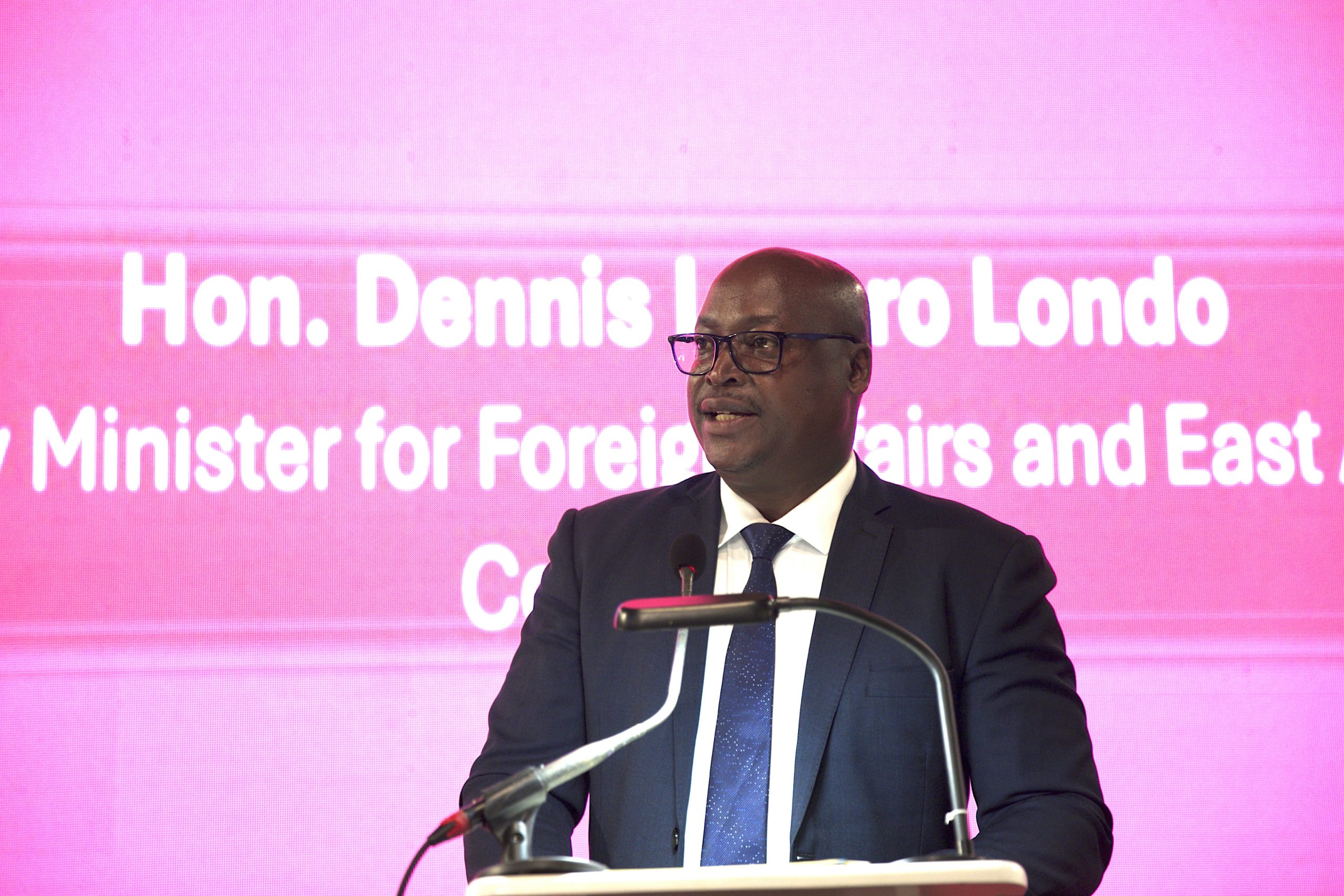
Dennis Londo Tanzania Tax Compliance Directive: Trade Officers Get New Role
Summary
- Deputy Minister Dennis Londo directed Tanzanian trade officers to eliminate bureaucracy and support businesses.
- The directive, issued on August 17, 2026, in Dodoma, also mandates encouraging voluntary tax payment.
- This initiative aims to foster legal compliance and reduce administrative hurdles for businesses nationwide.
- The move signals a government push for a more supportive, less bureaucratic environment for businesses.
What Happened
Businesses should anticipate a shift in how trade officers engage with them, potentially leading to smoother compliance processes but also heightened expectations for proactive tax adherence.
Deputy Minister for Industry and Trade, Dennis Londo, recently issued a significant directive aimed at reshaping the interaction between government officials and the business community across Tanzania. Speaking in Dodoma on August 17, 2026, during the third meeting organized by the Ministry, Londo instructed trade officers nationwide to fundamentally alter their operational approach. This **Dennis Londo Tanzania tax compliance directive** emphasizes a move away from traditional bureaucratic hurdles towards a more supportive and facilitative role.
The core of the directive from the **Deputy Minister Industry Trade Tanzania** is multifaceted. Firstly, trade officers are now explicitly tasked with eliminating unnecessary bureaucracy within their respective departments and processes. This signals a clear intent to streamline operations and reduce administrative friction for businesses operating in the country. Secondly, the directive mandates that these officers actively support businesses in achieving full compliance with existing laws and regulations, shifting their focus from mere enforcement to proactive assistance.
Crucially, the **Londo trade officer instructions** also place a strong emphasis on fostering a culture of voluntary tax payment. Rather than solely relying on punitive measures, officers are now expected to encourage businesses to proactively fulfill their tax obligations. This comprehensive directive, delivered from Dodoma, underscores a strategic shift in the government's approach to business regulation and support, aiming to create a more conducive environment for economic activity while ensuring adherence to legal frameworks.
Legal and Regulatory Context
This **Tanzania trade bureaucracy reduction** initiative by Deputy Minister Londo arrives within a broader context of governmental efforts to enhance the ease of doing business and stimulate economic growth. Historically, businesses in many developing economies, including Tanzania, have often faced significant administrative obstacles and complex regulatory landscapes, which can deter investment and hinder operational efficiency. The directive directly addresses these long-standing challenges by mandating a more streamlined and business-friendly administrative posture from trade officers.
The emphasis on "supporting businesses to comply with the law" represents a nuanced but critical evolution in regulatory philosophy. Instead of merely identifying and penalizing non-compliance, the new approach suggests a proactive engagement where trade officers guide businesses through regulatory requirements, helping them understand and meet their obligations. This shift is designed to foster a partnership between the state and the private sector, moving beyond an adversarial relationship to one built on mutual understanding and shared goals for national development.
Furthermore, the call for **voluntary tax payment Tanzania** reflects a strategic pivot in revenue collection. Governments worldwide increasingly recognize that fostering a culture of voluntary compliance, rather than relying solely on enforcement, can lead to more sustainable and higher tax revenues in the long run. By encouraging businesses to willingly fulfill their tax duties, the **Tanzania business support directive** aims to build trust, reduce the costs associated with aggressive enforcement, and create a more predictable fiscal environment for both the government and taxpayers. This approach aligns with modern best practices in tax administration, seeking to make compliance easier and more appealing.
Why It Matters
The implications of Deputy Minister Londo's directive are far-reaching for businesses operating within Tanzania and for the country's economic landscape as a whole. For enterprises, the mandated **Tanzania trade bureaucracy reduction** could translate into significantly smoother operational processes, faster approvals, and reduced administrative costs. This less burdensome environment is expected to free up resources that businesses can then reinvest into growth, innovation, and job creation, ultimately contributing to a more dynamic economy.
Moreover, the directive's focus on active support for legal compliance means that businesses may find it easier to navigate the often-complex regulatory framework. Trade officers, acting as facilitators rather than just enforcers, could provide clearer guidance, helping companies avoid inadvertent non-compliance. This proactive assistance, coupled with the encouragement for **Tanzania tax compliance encouragement**, signals a government that is keen on fostering a predictable and supportive ecosystem for both domestic and international investors.
Ultimately, this directive underscores a strategic vision for Tanzania's economic future, where a supportive regulatory environment and a culture of proactive compliance are seen as twin pillars of sustainable growth. Businesses should anticipate a shift in how trade officers engage with them, potentially leading to smoother compliance processes but also heightened expectations for proactive tax adherence. The success of this initiative will hinge on its consistent implementation across all levels of the trade administration, transforming the operational reality for businesses nationwide.
Practical Implications
This directive signals a government push for a more supportive, less bureaucratic environment for businesses, coupled with an emphasis on voluntary tax compliance. Lawyers should advise clients on anticipating a shift in how trade officers engage with businesses, potentially leading to smoother compliance processes but also heightened expectations for proactive tax adherence.
Source
How does this affect you?
Get an AI analysis of this article grounded in your jurisdictions, practice areas, and any policy documents you've uploaded to Wansom.
Wansom is AI and can make mistakes.