
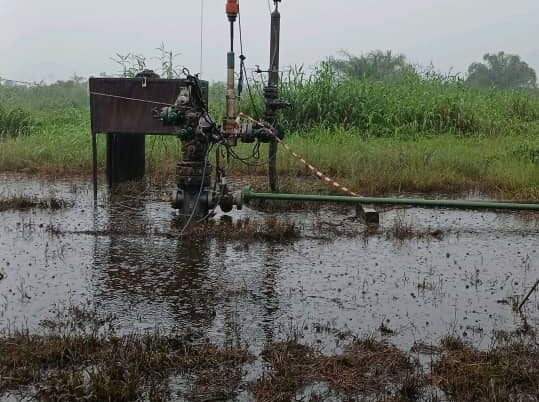
Delta State: Highest Oil Spill Volume Recorded in Niger Delta
Summary
- Delta State recorded the highest volume of crude oil spills in the Niger Delta during August and September.
- Nine incidents collectively released an estimated 129,855 litres of crude oil in the region.
- Nearly 90 percent of the total spill volume originated from incidents within Delta State.
- ND Western was responsible for the largest single spill, while Renaissance facilities had the highest number of incidents.
- These spills highlight ongoing environmental and regulatory challenges for oil companies operating in Nigeria.
What Happened
The substantial volume of crude oil spilled in Delta State, particularly the nearly 130,000 litres reported for August and September, raises significant environmental and regulatory concerns for operating companies.
Delta State recently recorded the highest volume of crude oil spills across the Niger Delta region during the months of August and September. Data from this period indicates that nearly 90 percent of the total estimated crude oil released originated from incidents within Delta State's boundaries. This significant concentration highlights a critical environmental challenge for the state.
Across the entire Niger Delta, a total of nine distinct crude oil spill incidents were documented over the two-month period. These events collectively resulted in the discharge of an estimated 129,855 litres of crude oil into the environment. While multiple operators contributed to these figures, specific companies were identified for their roles in the reported incidents.
Among the entities involved, ND Western was responsible for the single largest crude oil spill incident during August and September. Separately, Renaissance facilities were noted for having the highest frequency of incidents, accounting for the greatest number of individual crude oil spill occurrences within the Niger Delta during the same timeframe. These figures underscore the varied nature of spill events, ranging from large-volume single occurrences to multiple smaller but cumulatively significant discharges.
Context of Spills
The Niger Delta, a region of immense ecological diversity and economic importance due to its vast oil reserves, frequently grapples with the environmental consequences of petroleum exploration and production. Oil spills, whether caused by operational failures, equipment malfunctions, or third-party interference, pose a persistent threat to the delicate ecosystems and the livelihoods of local communities. The reported incidents in August and September add to a long history of environmental degradation in this sensitive area.
The continuous release of crude oil into rivers, creeks, and farmlands has profound impacts. It contaminates water sources essential for drinking and fishing, degrades agricultural land, and harms aquatic and terrestrial wildlife. For the communities residing in the Niger Delta, whose existence is often intrinsically linked to their natural surroundings, such spills represent not only an environmental disaster but also a direct assault on their economic stability and public health. The cumulative effect of these incidents over time contributes to a complex web of socio-economic and environmental challenges that demand sustained attention and robust mitigation strategies from all stakeholders.
Environmental and Regulatory Concerns
The substantial volume of crude oil spilled in Delta State, particularly the nearly 130,000 litres reported for August and September, raises significant environmental and regulatory concerns for operating companies. Such incidents typically trigger investigations by Nigerian environmental protection agencies, which are tasked with enforcing compliance with environmental standards and holding polluters accountable. Companies found responsible for spills face potential penalties, including fines and directives for remediation, under existing national environmental laws.
Beyond immediate regulatory sanctions, the high frequency and volume of spills contribute to increased environmental liability for oil and gas firms. This liability extends to the costs of clean-up operations, compensation for affected communities, and potential legal actions from local groups seeking redress for damages to their environment and livelihoods. The Nigeria oil spill data from August and September, highlighting Delta State's disproportionate share of the total spill volume, could intensify scrutiny on operational practices within the state, potentially leading to more stringent oversight and enforcement measures.
The ongoing challenge of managing oil spills in the Niger Delta underscores the critical need for robust preventative measures, advanced leak detection technologies, and rapid response protocols. The persistent occurrence of incidents, including those attributed to ND Western oil spill Nigeria and Renaissance facilities crude spill, reinforces the imperative for all operators to enhance their environmental compliance frameworks. Effective management of these risks is crucial not only for environmental protection but also for maintaining social license to operate and mitigating long-term financial and reputational damage in a region highly sensitive to ecological harm.
Practical Implications
Oil and gas companies operating in Nigeria's Delta State should review their environmental compliance protocols and risk assessments, as the reported high volume of crude oil spills could lead to increased regulatory scrutiny, potential fines, and community litigation.
Source
How does this affect you?
Get an AI analysis of this article grounded in your jurisdictions, practice areas, and any policy documents you've uploaded to Wansom.
Finish Reading the Full Story and the Expert Analysis.
Get the latest legal & regulatory intelligence in Nigeria
Wansom is AI and can make mistakes.