
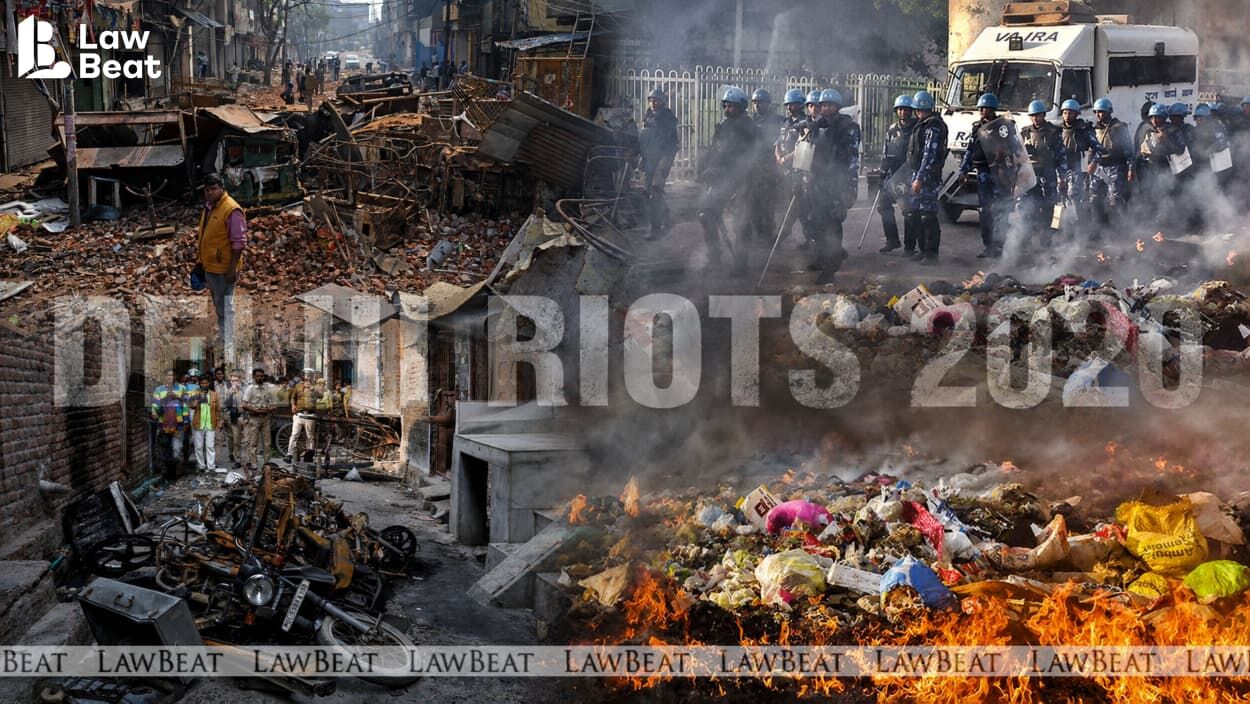
Karkardooma Courts: Delhi Riots Bhajanpura Police Attack Conviction, Arson Acquittal
Summary
- Five men were convicted by a Delhi court for rioting and attacking police during the February 2020 Delhi riots near the Bhajanpura petrol pump.
- Arif Malik, Mohd Khalid, Abdul Sattar, Tanveer Ali, and Hunain were found guilty of obstructing public servants and using criminal force.
- The court acquitted them of arson charges related to setting a petrol pump and vehicles on fire due to insufficient evidence.
- Gaps in the prosecution's case included unproven fire reports and the investigating officer's failure to identify specific burnt vehicles or their owners.
- The convictions carry a maximum punishment of three years under the Indian Penal Code, with sentencing arguments scheduled for September 16.
Conviction and Acquittal in Delhi Riots Case
This verdict underscores the critical importance of robust and specific prosecution evidence for each charge, demonstrating how investigative gaps, such as failure to identify vehicles or formally prove fire reports, can lead to acquittals even when other charges related to the same incident are proven.
A Delhi court has delivered a split verdict in a case stemming from the February 2020 Delhi riots, convicting five individuals for attacking police personnel during the unrest near the Bhajanpura petrol pump. However, the same court acquitted them of more severe charges related to setting a petrol pump and vehicles on fire, highlighting critical gaps in the prosecution's evidence regarding the arson allegations.
Additional Sessions Judge Parveen Singh of the Karkardooma Courts found Arif Malik, Mohd Khalid, Abdul Sattar, Tanveer Ali, and Hunain guilty of rioting, obstructing public servants, and using criminal force against them. These convictions relate to their involvement in an unlawful assembly that confronted law enforcement during the widespread violence. The court is scheduled to hear arguments regarding their sentencing on September 16.
The incident, central to this Delhi riots Bhajanpura police attack conviction, occurred on February 24, 2020, amidst protests against the Citizenship Amendment Act (CAA) and the proposed National Register of Citizens (NRC). The verdict underscores the complex evidentiary challenges in prosecuting cases arising from large-scale civil unrest, where distinguishing individual actions within a mob can be particularly difficult.
Details of the Bhajanpura Violence
According to the prosecution, the situation escalated dramatically when a crowd of approximately 100 to 150 individuals crossed a road divider near the Bhajanpura petrol pump, subsequently attacking police personnel. The mob engaged in stone-pelting and vandalism, specifically targeting both the police and property, including the petrol pump and nearby vehicles. The court noted that the crowd was also heard raising slogans against the CAA and NRC, indicating a clear common objective.
The court found sufficient evidence to establish the unlawful nature of the gathering and confirmed the presence of all five accused within it. This determination was based, in part, on the testimony of five key witnesses, out of a total of 26 witnesses examined by the prosecution during the trial. The judge concluded that the collective conduct of the crowd demonstrated a shared intent for rioting, arson, criminal mischief, and vandalism, leading to the Karkardooma Courts rioting conviction for the five men.
Evidentiary Gaps Lead to Arson Acquittal
Despite the convictions for attacking police, the court drew a sharp distinction regarding the allegations of arson, leading to the 2020 Delhi riots arson acquittal for the five men. Significant gaps in the prosecution's evidence prevented a conviction on charges of setting the petrol pump ablaze. Specifically, Delhi Fire Service reports presented to the court did not conclusively establish that the petrol pump had been set on fire at the relevant time. Furthermore, another fire report relied upon during the investigation was never formally proven in evidence.
These deficiencies led the court to express "very serious doubts" about the prosecution's claim that the Bhajanpura petrol pump was intentionally set on fire around 2 PM on February 24. The judge also observed that witnesses, seeing the mob engaged in arson elsewhere, might have mistakenly assumed the petrol pump itself was targeted by the same group. Similarly, the charge concerning the burning of vehicles could not be sustained because the investigating officer failed to identify the specific vehicles or examine their owners, despite consistent witness accounts of vehicles being set on fire. This failure to adequately investigate specific acts of property damage proved critical.
Legal Context and Implications
The five individuals were convicted under various provisions of the Indian Penal Code, including those pertaining to rioting, assaulting or obstructing a public servant while suppressing a riot, and using criminal force to deter a public servant from discharging their duty. The maximum punishment prescribed for these specific offenses is three years. The case of Arif Malik Mohd Khalid conviction, alongside the others, serves as a significant legal precedent in the ongoing adjudication of the 2020 Delhi riots cases.
This verdict underscores the critical importance of robust and specific prosecution evidence for each charge, demonstrating how investigative gaps, such as failure to identify vehicles or formally prove fire reports, can lead to acquittals even when other charges related to the same incident are proven. The court's detailed analysis of evidentiary sufficiency in complex riot cases, particularly when distinguishing between general unlawful assembly and specific acts like arson, provides crucial insights for future legal proceedings arising from the widespread violence that claimed 53 lives in Northeast Delhi in February 2020.
Practical Implications
This verdict underscores the critical importance of robust and specific prosecution evidence for each charge, demonstrating how investigative gaps, such as failure to identify vehicles or formally prove fire reports, can lead to acquittals even when other charges related to the same incident are proven. Lawyers should note the court's detailed analysis of evidentiary sufficiency in complex riot cases, particularly when distinguishing between general unlawful assembly and specific acts like arson.
Source
How does this affect you?
Get an AI analysis of this article grounded in your jurisdictions, practice areas, and any policy documents you've uploaded to Wansom.
Finish Reading the Full Story and the Expert Analysis.
Get the latest legal & regulatory intelligence in India
Wansom is AI and can make mistakes.