
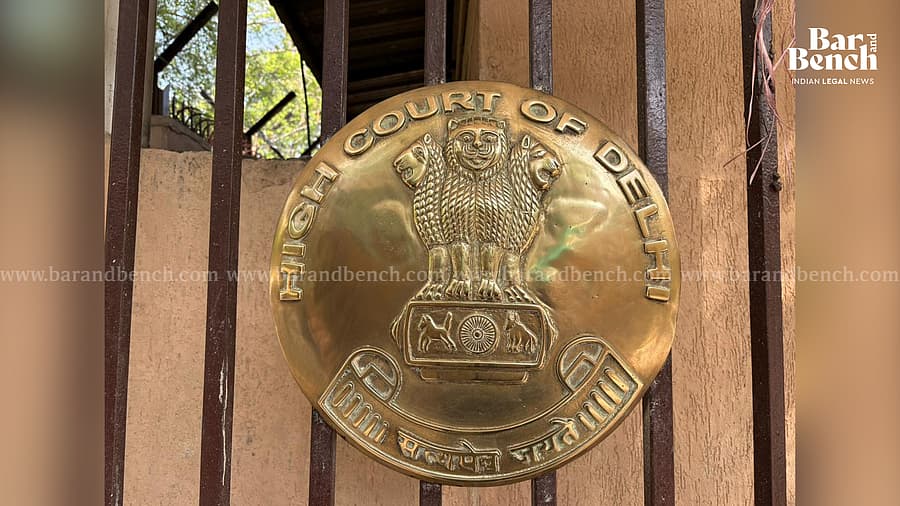
Delhi High Court: No Detention as Visa Overstay Bail Condition
Summary
- The Delhi High Court ruled that foreign nationals accused of visa overstay cannot be held in detention centers as a condition for bail.
- Justices Navin Chawla and Arun Bhardwaj stated that such conditions defeat the fundamental purpose of granting bail.
- The court clarified that the power to mandate detention center stays for foreign nationals rests with the Central Government under specific acts, not with courts as a bail term.
- Foreign nationals accused of immigration violations are entitled to bail consideration in the same manner as other criminal accused.
- The ruling stemmed from a criminal reference involving a Nigerian national accused of overstaying a tourist visa since 2016.
Key Ruling on Bail Conditions
The bench explicitly stated that any directive imposing a condition that confines a foreign national to a detention facility would effectively nullify the bail order itself, and therefore, such a condition cannot be legitimately imposed by a court.
The Delhi High Court has recently clarified that foreign nationals accused of visa overstay cannot be compelled to remain in detention centers as a prerequisite for their release on bail. This significant decision, delivered by a bench comprising Justices Navin Chawla and Arun Bhardwaj, underscores the fundamental principle that such a restrictive condition would fundamentally undermine the very essence and objective of granting bail. The court emphasized that the purpose of bail is to allow temporary liberty, and confining an individual to a detention center negates this intent.
This judicial pronouncement emerged from a criminal reference initiated by a Saket court magistrate. The magistrate had sought guidance on the appropriate approach to bail applications from foreign nationals, specifically questioning the efficacy of granting unconditional bail in such circumstances. The reference was prompted by the case of a Nigerian national who had entered India in 2016 on a three-month tourist visa but subsequently continued to reside in the country beyond its expiration, leading to charges of visa overstay. The Delhi High Court's ruling directly addresses this ambiguity, setting a clear precedent for future cases involving similar Delhi High Court visa overstay bail condition challenges.
Legal Framework and Judicial Discretion
In its detailed observations, the High Court affirmed that individuals from other countries facing accusations of violating immigration statutes are entitled to have their bail applications assessed under the same legal standards as any other criminal defendant. The bench explicitly stated that any directive imposing a condition that confines a foreign national to a detention facility would effectively nullify the bail order itself, and therefore, such a condition cannot be legitimately imposed by a court. This ruling delineates the boundaries of judicial authority in setting bail terms for foreign overstayers.
The court further clarified that the power to mandate the restriction of a foreign national to a detention center rests exclusively with the Central Government. This authority can be exercised through an official order issued under Section 3(2)(g) of the Foreigners Act, 1946, or pursuant to Paragraph 8 of the Immigration and Foreigners Order, 2025. However, the High Court was careful to distinguish that while bail provides temporary freedom, it does not in any way legitimize a foreign national's continued presence in India or serve as a substitute for possessing a valid visa. This distinction is crucial for understanding the scope and limitations of the ruling concerning bail conditions foreign overstayers face.
Implications for Foreign Nationals
This landmark decision by the Delhi High Court carries substantial implications for foreign nationals currently navigating the Indian legal system, particularly those accused of visa overstay. It provides a robust legal basis for challenging bail conditions that effectively amount to continued incarceration, even after bail has been granted. Lawyers representing foreign nationals can now cite this ruling to argue against the imposition of detention center stays, asserting that such conditions frustrate the fundamental purpose of judicial bail.
The judgment reinforces the principle that bail, once granted, should genuinely offer liberty, albeit conditional, and not merely shift the location of detention. By clarifying the scope of judicial discretion and the specific powers reserved for the Central Government under the Foreigners Act 1946 Section 3(2)(g), the court has provided much-needed clarity for both the judiciary and legal practitioners. This ruling is expected to influence how courts across India approach foreign nationals bail detention India cases, ensuring a more consistent application of bail principles for all accused individuals, regardless of their nationality.
Practical Implications
Lawyers representing foreign nationals accused of visa overstay in India can now cite this Delhi High Court ruling to challenge bail conditions that mandate continued detention in a detention center, as such conditions are deemed to frustrate the purpose of bail. This clarifies the scope of judicial discretion in imposing bail conditions for foreign nationals.
Source
How does this affect you?
Get an AI analysis of this article grounded in your jurisdictions, practice areas, and any policy documents you've uploaded to Wansom.
Finish Reading the Full Story and the Expert Analysis.
Get the latest legal & regulatory intelligence in India
Wansom is AI and can make mistakes.