
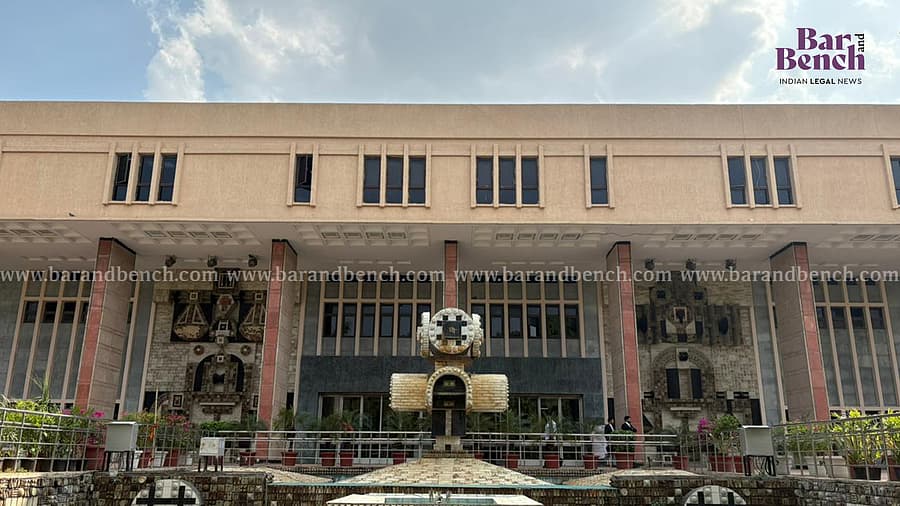
Delhi High Court: Slum Dwellers Must Vacate For DUSIB In 6 Weeks
Summary
- The Delhi High Court ordered residents of three slum clusters near the Prime Minister's residence to vacate within six weeks.
- These residents are to be relocated to a DUSIB Colony, with police assistance available for eviction if necessary after the deadline.
- The court ruled no rehabilitation policy violation occurred but stressed the government's binding commitment to provide promised amenities at the new site.
- A committee, led by Justice Manmohan, a Judge of the Supreme Court of India, and including government representatives, will monitor rehabilitation and amenity provision.
- The government must immediately notify the constitution of this monitoring committee.
Court Mandates Relocation and Oversight
The court's directive underscores a critical balance between urban development needs and the imperative to ensure humane rehabilitation for displaced populations.
On Tuesday, the Delhi High Court issued a significant directive concerning residents of three slum clusters situated in the Race Course area, in close proximity to the Prime Minister's residence. A Division Bench, comprising Chief Justice Devendra Kumar Upadhyaya and Justice Tejas Karia, mandated that these slum dwellers must vacate their current dwellings within a strict six-week period. During this timeframe, they are to be provided with alternative accommodations in a DUSIB Colony.
The court's order explicitly states that following the expiration of the six-week window, authorities are empowered to clear the land. Should it become necessary, police assistance can be utilized to facilitate the eviction process and ensure compliance with the directive. This ruling marks a definitive step in addressing the presence of these informal settlements in a sensitive urban zone.
Upholding Rehabilitation Commitments
While ordering the relocation, the Delhi High Court also made it clear that the government's commitments regarding rehabilitation are legally binding. The Division Bench affirmed that there had been no violation of the existing rehabilitation policy in the process of moving these specific residents. However, it underscored that the government remains obligated by its prior undertakings and previous court orders to ensure the availability of all promised amenities at the designated DUSIB Colony. This aspect of the Delhi High Court slum rehabilitation order is crucial, as it places a strong emphasis on the quality of the alternative housing provided.
To ensure these promises are met, the court has established a dedicated committee. This DUSIB colony amenities monitoring committee will oversee the rehabilitation of the residents and verify that all amenities pledged by the government are indeed delivered. The committee is to be chaired by Justice Manmohan, a Judge of the Supreme Court of India, and will include representatives from various departments of both the Delhi government and the Central government, ensuring a multi-agency approach to oversight. The court further directed the government to immediately notify the formal constitution of this committee, highlighting the urgency of its mandate.
Implications for Urban Resettlement
This ruling by the Delhi High Court carries substantial implications for urban resettlement and India housing policy compliance, particularly concerning Jhuggi Jhopri eviction Delhi. The court's decision to allow the Race Course area slum eviction while simultaneously imposing stringent conditions on the government's rehabilitation responsibilities sets a precedent. It demonstrates a judicial approach that balances the need for urban development and land clearance with the fundamental rights and welfare of displaced populations. The six-week deadline for the Delhi High Court slum dwellers DUSIB relocation is firm, yet it is coupled with a robust mechanism for ensuring accountability.
The establishment of a court-monitored committee, tasked with verifying the provision of amenities, reinforces the judiciary's role in upholding governmental promises to vulnerable communities. This ensures that rehabilitation is not merely a formality but a process subject to active judicial oversight. The emphasis on the government being "bound by its undertakings" serves as a critical reminder for all authorities involved in similar urban renewal projects across India, stressing the importance of adhering to promised provisions for those affected by evictions.
Practical Implications
This ruling clarifies the Delhi High Court's stance on balancing eviction with rehabilitation, emphasizing the government's binding commitment to providing promised amenities. Lawyers advising on urban development, land acquisition, or human rights in India should note the precedent regarding court-monitored rehabilitation and the strict enforcement of government undertakings for displaced populations.
Source
How does this affect you?
Get an AI analysis of this article grounded in your jurisdictions, practice areas, and any policy documents you've uploaded to Wansom.
Wansom is AI and can make mistakes.