
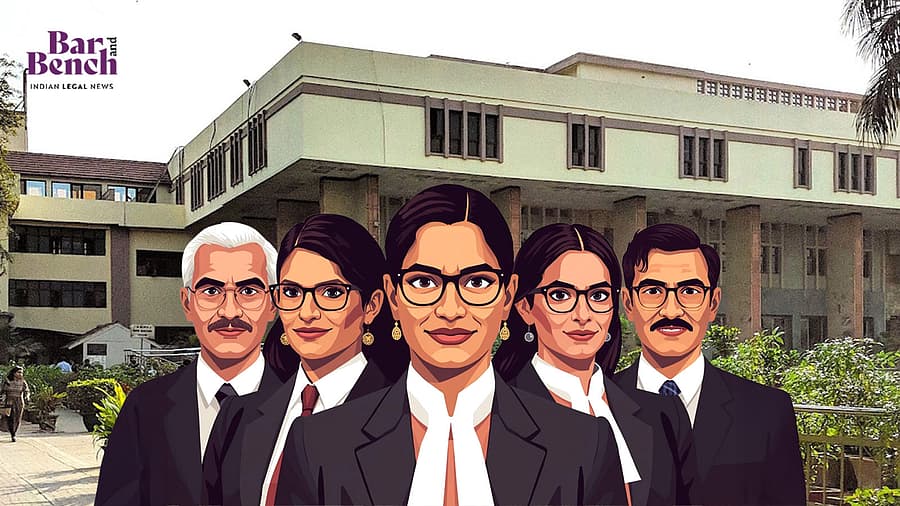
Delhi High Court: Senior Advocate Designation New Rules Broaden Scope
Summary
- The Delhi High Court has issued new rules for Senior Advocate designation, replacing those from March 2024.
- New criteria for designation now include fairness, courtroom conduct, professional ethics, mentorship, pro bono work, and standing in the legal fraternity.
- A permanent secretariat, headed by a registrar-rank officer, will oversee the annual application process, with the full court directly deciding designations.
- Applicants generally require at least 10 years of practice, enrollment with a Bar Council, primary practice in relevant courts, and must be at least 40 years old.
- Former Delhi Higher Judicial Service officers are exempt from the 10-year practice requirement if their cumulative experience as judicial officers and/or at the Bar is less.
Revised Framework for Senior Advocate Designation
By incorporating factors such as advocate conduct ethics Delhi High Court, mentorship, and pro bono contributions, the High Court is signaling a clear emphasis on the broader societal role and ethical responsibilities of its Senior Advocates.
The Delhi High Court has officially announced a comprehensive set of new rules governing the designation of lawyers as Senior Advocates, effectively replacing the previous framework that was established in March 2024. These updated `Delhi High Court Senior Advocate rules 2026` introduce a significantly broader evaluation scope for candidates seeking the prestigious `Delhi High Court Senior Advocate designation`. The revised criteria move beyond mere legal acumen, now encompassing an advocate's overall professional conduct and standing within the legal community.
Under the new guidelines, the assessment for the conferment of gown will meticulously consider an advocate's fairness in practice, their decorum and behavior within the courtroom, and adherence to professional ethics. Furthermore, the rules explicitly recognize an advocate's role as a mentor to junior colleagues and their engagement in `Senior Advocate pro bono work Delhi` as crucial factors. The applicant's general standing and reputation within the legal fraternity will also play a pivotal role in the decision-making process. This holistic approach signifies a shift towards recognizing a more well-rounded legal professional.
A notable procedural change introduced by these `Delhi High Court Senior Advocate designation new rules` is the dissolution of the committee previously responsible for designating Senior Advocates. Instead, the authority for designation will now rest directly with the full court. To manage the administrative aspects of this process, a permanent secretariat has been established, which will be led by an officer holding the rank of a registrar. This secretariat is tasked with overseeing the entire designation procedure, from application invitation to final decision.
Application Process and Eligibility Requirements
The newly established permanent secretariat will be responsible for initiating the `Delhi High Court advocate designation process` at least once annually. This initiation will involve inviting applications from eligible lawyers, with public notice disseminated through the High Court's official website. Additionally, the Delhi High Court Bar Association (DHCBA) will be formally notified of the application window, ensuring broad awareness within the legal community. Prospective applicants will be granted a minimum period of 21 days to submit their applications once the invitation is published.
To qualify for consideration under the `Delhi High Court Senior Advocate eligibility` criteria, an advocate must generally possess at least 10 years of active legal practice. Candidates are also required to be enrolled with a recognized Bar Council and must have primarily practiced before the High Court itself, as well as in trial and district courts, or specialized tribunals. Beyond the experience requirement, applicants must typically be at least 40 years of age. However, the full court retains the discretion to relax this age requirement in specific circumstances, allowing for flexibility in exceptional cases.
It is important to note a specific exemption concerning the minimum practice requirement. Former officers of the Delhi Higher Judicial Service (DHJS) are not subject to the 10-year practice stipulation, provided their cumulative experience as judicial officers and/or at the Bar falls short of this duration. This particular provision acknowledges the distinct career trajectory of judicial officers transitioning into private practice, ensuring their valuable experience is appropriately recognized within the `Delhi High Court Senior Counsel criteria`.
Elevating Professional Standards in the Legal Fraternity
The introduction of these `Delhi High Court Senior Advocate designation new rules` marks a significant step towards elevating the professional standards expected of senior members of the legal fraternity. By incorporating factors such as `advocate conduct ethics Delhi High Court`, mentorship, and pro bono contributions, the High Court is signaling a clear emphasis on the broader societal role and ethical responsibilities of its Senior Advocates. This move aims to ensure that those conferred with the prestigious designation not only possess exceptional legal skills but also embody the highest ideals of the profession.
The shift from a committee-based decision to direct full court involvement, supported by a dedicated secretariat, underscores the importance and gravity attached to the `Delhi High Court Senior Advocate designation process`. This centralized and transparent approach is designed to foster greater consistency and accountability in the selection of Senior Counsel. The annual invitation for applications further ensures that the process remains dynamic and accessible to a continuous stream of deserving legal professionals.
Ultimately, these revised `Delhi High Court Senior Advocate rules 2026` are poised to reshape the aspirations and professional development paths for lawyers in the region. Aspiring Senior Advocates must now demonstrate a comprehensive profile that extends beyond courtroom victories, encompassing a commitment to ethical practice, community service, and the nurturing of future legal talent. This holistic evaluation framework is intended to strengthen the integrity and public perception of the legal profession in Delhi.
Practical Implications
Lawyers aspiring for Senior Advocate designation in the Delhi High Court must familiarize themselves with these new rules, which introduce revised criteria including professional conduct, ethics, pro bono work, and mentorship. They should review the updated application process and ensure their professional profile aligns with the expanded requirements for conferment of gown.
Source
How does this affect you?
Get an AI analysis of this article grounded in your jurisdictions, practice areas, and any policy documents you've uploaded to Wansom.
Finish Reading the Full Story and the Expert Analysis.
Get the latest legal & regulatory intelligence in India
Wansom is AI and can make mistakes.