
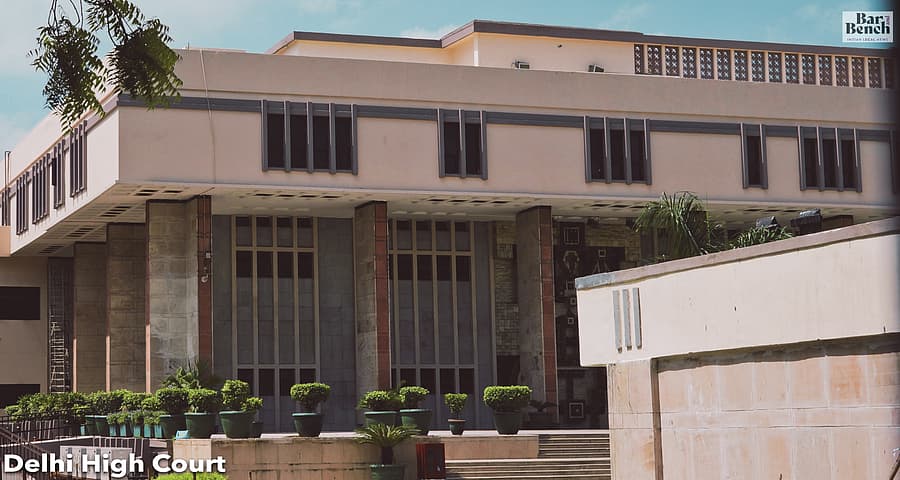
Delhi HC: PIL on DU Hostel Facilities to Address Student Housing Crisis
Summary
- The Delhi High Court has issued notices to Delhi University, the Delhi government, and the Central government regarding a PIL on student hostel facilities.
- The PIL, filed by Vinod Jakhar, seeks directions for all DU-affiliated colleges to provide hostel accommodation.
- This legal action was prompted by the collapse of a paying guest building in Satya Niketan, which resulted in seven deaths, including students.
- The petition highlights that DU's hostel infrastructure has not kept pace with its expansion, leaving 1.32 lakh students with limited or no on-campus housing.
- The PIL requests a university-wide hostel development policy, college-wise assessments, cluster hostels, and safety audits for private paying guest accommodations.
What Happened
The court has also decided to consolidate this petition with other ongoing PILs that are related to the Satya Niketan building collapse, signaling a comprehensive approach to the safety and infrastructure issues surrounding student housing.
The Delhi High Court recently initiated proceedings in response to a public interest litigation (PIL) petition, directing key governmental and educational bodies to address the critical shortage of student accommodation. A division bench comprising Chief Justice Devendra Kumar Upadhyaya and Justice Tejas Karia issued notices to Delhi University, the Delhi government, and the Central government, requiring their formal responses to the petition. The court has scheduled the next hearing for September 25, 2026, indicating an expedited review of the matter.
This significant legal action stems from a tragic incident involving the collapse of a paying guest (PG) building in Satya Niketan, which resulted in the deaths of seven individuals, including students. The PIL, filed by Vinod Jakhar, specifically seeks judicial directives to ensure that all colleges affiliated with Delhi University are equipped with adequate hostel facilities for their students. The court has also decided to consolidate this petition with other ongoing PILs that are related to the Satya Niketan building collapse, signaling a comprehensive approach to the safety and infrastructure issues surrounding student housing.
Legal Context
The core argument of the PIL highlights a severe deficit in safe, affordable, and sufficient hostel accommodation for Delhi University students and those attending its numerous colleges. The petition underscores that Delhi University, established in 1922, was originally conceived as a “teaching and residential University.” However, its current hostel infrastructure has demonstrably failed to keep pace with the institution's substantial growth and expansion over the decades.
With approximately 1.32 lakh students currently enrolled in regular programs, the disparity between the university's foundational residential ethos and its present capacity is stark. Many affiliated colleges either completely lack hostel provisions or possess severely limited capacity, forcing a significant portion of the student body to seek alternative, often unregulated, housing options. To rectify this situation, the PIL proposes several concrete measures, including a college-specific assessment of hostel requirements, the formulation of a time-bound, university-wide policy for hostel development, and the establishment of cluster hostels in areas where land availability is constrained. Furthermore, it calls for mandatory structural and fire-safety audits of private paying guest accommodations, a direct response to the safety concerns exacerbated by the Satya Niketan tragedy, which underscores the need for a thorough hostel safety audit for Delhi colleges.
Why It Matters
This Delhi HC PIL DU hostel facilities case carries substantial implications for student welfare, urban planning, and regulatory oversight within the National Capital Territory. The court's decision to issue notices and fast-track the hearing underscores the urgency of addressing the long-standing issue of student housing, particularly in light of the life-threatening risks exposed by the Satya Niketan building collapse. The call for comprehensive safety audits of private PGs, in particular, suggests a potential shift towards greater accountability and stricter enforcement of building and safety codes for privately run student accommodations.
The outcome of this legal challenge could compel Delhi University and governmental authorities to significantly invest in and reform their approach to student residential university infrastructure. It highlights the critical need for educational institutions to not only provide academic opportunities but also ensure the safety and well-being of their student population through adequate and secure living arrangements. The integration of this PIL with other cases related to the building collapse further emphasizes a concerted effort to prevent future tragedies and establish robust standards for student housing across Delhi colleges, addressing the Delhi University hostel shortage PIL.
Practical Implications
Lawyers advising educational institutions or property owners providing student accommodation in Delhi should monitor this PIL for potential new regulations or increased scrutiny on safety and infrastructure standards, particularly regarding hostel facilities and private paying guest accommodations, which could lead to new compliance requirements.
Source
How does this affect you?
Get an AI analysis of this article grounded in your jurisdictions, practice areas, and any policy documents you've uploaded to Wansom.
Finish Reading the Full Story and the Expert Analysis.
Wansom is AI and can make mistakes.