
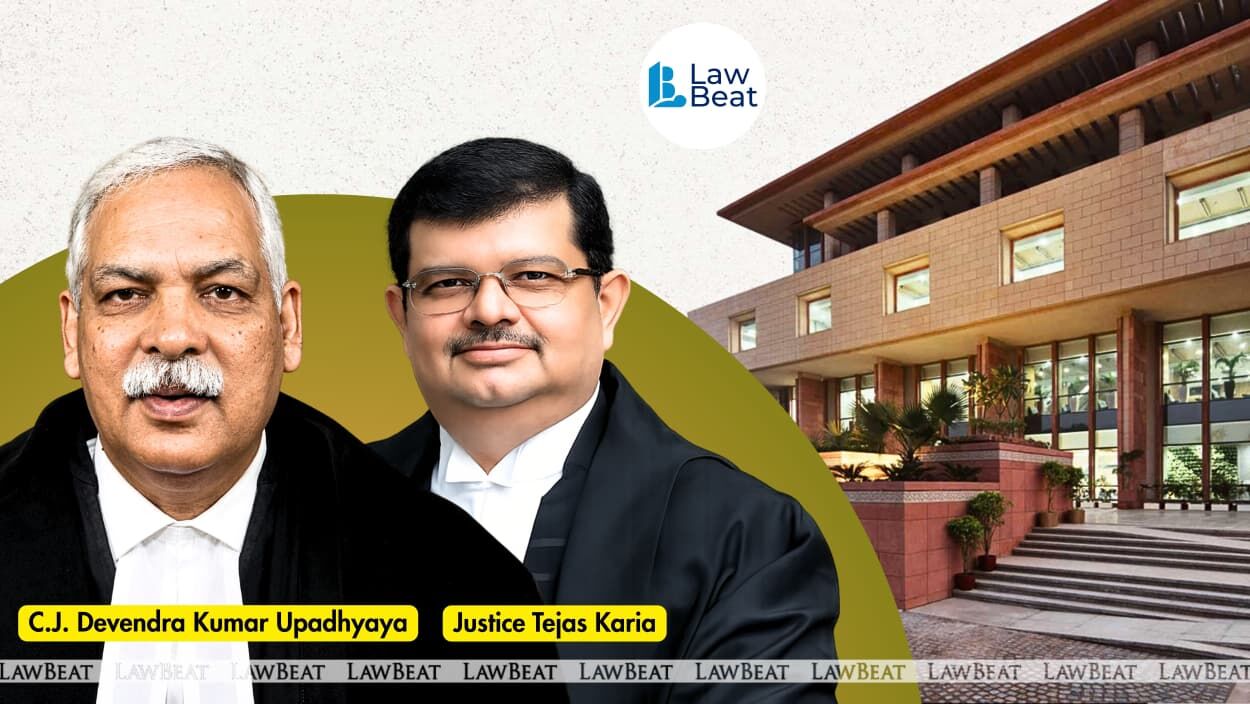
Delhi High Court Reserves Verdict on Victim's Right to Appeal Against Acquittal Under S. 372 CrPC
Summary
- The Delhi High Court has reserved its verdict on a petition challenging Section 372 CrPC's proviso.
- The provision grants victims an unfettered right to appeal against acquittal without leave, creating an imbalance with the State's appellate remedy.
- The petitioner argues that this discrepancy allows victims to pursue appeals without any filter, while the State must obtain leave to challenge an acquittal.
- The outcome of the petition will have significant implications for lawyers representing clients who have been acquitted but are facing appeals from victims.
Delhi HC Reserves Verdict on Challenge to Victim's Right to Appeal
The provision, as presently understood, gives a victim an avenue to challenge an acquittal without the leave requirement applicable to the State under Section 378 CrPC.
The Delhi High Court has reserved its verdict on a petition challenging the constitutional validity of Section 372 CrPC, which grants victims an unfettered right to appeal against acquittal without leave. The provision has been criticized for creating an imbalance between the rights of acquitted accused persons and the State. The petitioner argues that this discrepancy allows victims to pursue appeals without any filter, while the State must obtain leave to challenge an acquittal. This has led to concerns about prolonged harassment and exposure to extortion or blackmail for acquitted individuals.
Relevant Legal Context
The petition relies on the Supreme Court's judgment in Mallikarjun Kodagali v State of Karnataka, which highlighted the distinction between Section 372 CrPC and Section 378(4) CrPC. The petitioner's counsel argued that this distinction demonstrates the scope of the victim's appeal under Section 372. However, the Delhi High Court bench noted that the Supreme Court's observation was specifically in relation to Section 378(4), which refers to an acquittal in a case instituted upon a complaint. This distinction has significant implications for the interpretation of Section 372 CrPC and its impact on victim rights.
Why It Matters
The outcome of this petition will have far-reaching consequences for lawyers representing clients who have been acquitted but are facing appeals from victims. If the Delhi High Court upholds the constitutional validity of Section 372 CrPC's proviso, it could lead to an increase in victim-led appeals without leave requirements. Conversely, if the court sets aside the provision, it may require victims to obtain leave before appealing against acquittal, potentially reducing prolonged harassment and exposure to extortion or blackmail for acquitted individuals.
Practical Implications
Lawyers should watch for the potential implications of a Delhi HC verdict upholding or setting aside the constitutional validity of Section 372 CrPC's proviso, which could impact their clients' acquittal appeals and compliance with leave requirements.
Source
Source: Original reporting via [Source]
How does this affect you?
Get an AI analysis of this article grounded in your jurisdictions, practice areas, and any policy documents you've uploaded to Wansom.
Wansom is AI and can make mistakes.