
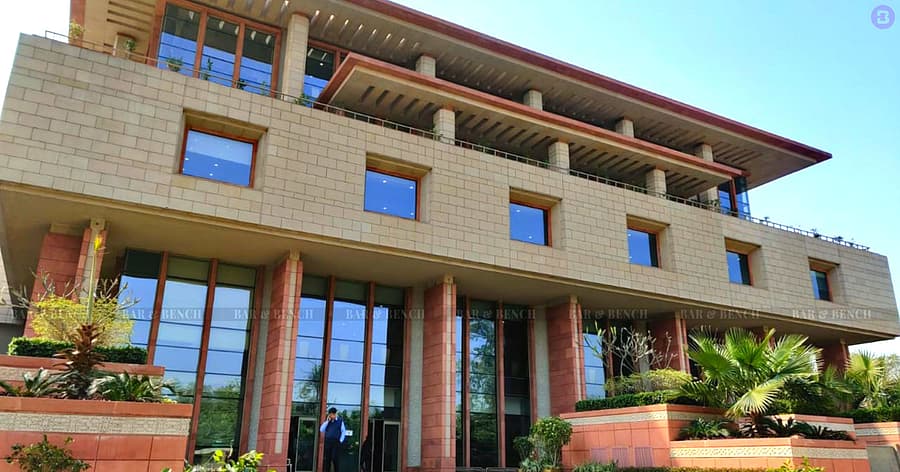
Delhi High Court: Questions Police Anti-Reservation Protest Ban
Summary
- The Delhi High Court questioned the Delhi Police's decision to deny the Kshatriya Karni Sena permission for an anti-reservation protest at Jantar Mantar.
- Justice Swarana Kanta Sharma suggested that police should impose conditions on protests rather than issuing outright bans.
- Police justified the denial by citing Jantar Mantar's sensitive nature, Supreme Court guidelines, and potential social media-driven overspill.
- The court inquired about the possibility of an alternative protest venue, which the Additional Solicitor General said police could consider.
- This judicial intervention highlights increased scrutiny on blanket protest bans and emphasizes conditional permissions for public assemblies.
Judicial Scrutiny of Protest Bans Intensifies
This development signals that Indian police authorities may face increased judicial scrutiny for blanket bans on public protests, potentially requiring them to justify denials with specific, conditional reasons rather than general apprehension.
The Delhi High Court recently subjected the Delhi Police to rigorous questioning regarding its decision to deny the Kshatriya Karni Sena permission for a planned demonstration. The organization had sought to stage a protest at Jantar Mantar on September 20, specifically targeting reservation policies and the University Grants Commission (Promotion of Equity in Higher Education Institutions) Regulations, 2026, which have been stayed by the Supreme Court since January 2026. This development marks a significant moment as the Delhi HC questions police anti-reservation protest ban, signaling potential shifts in how public assembly requests are handled.
Justice Swarana Kanta Sharma, presiding over the matter, voiced strong reservations about the outright refusal of the Kshatriya Karni Sena protest permission. The judge critically observed that authorities possess the option to impose specific conditions on protestors, rather than resorting to a complete prohibition on their right to gather. The court challenged the police's rationale, questioning the basis for such a categorical denial and whether an order of this nature could be justified solely on the apprehension of potential issues.
Police Justifications and Court's Counter-Arguments
In defense of the police's action, Additional Solicitor General (ASG) Chetan Sharma articulated that the denial was consistent with existing Standing Orders and guidelines established by the Supreme Court. Sharma highlighted the sensitive nature of Jantar Mantar as a protest site, noting that other groups had also been consistently refused permission to gather there. He further explained that beyond spatial considerations, the extensive reach and engagement generated by social media could lead to an unmanageable overspill of participants, complicating crowd control.
Despite these justifications, the court probed whether an alternative venue could be considered for the demonstration. The ASG indicated that the police would be open to exploring such possibilities. Sharma also brought to the court's attention that a co-ordinate Bench had previously raised concerns about Jantar Mantar's designation as a primary protest location in Delhi, citing that any significant concentration of people there tends to impact the functioning of the entire Central government. Nevertheless, the court maintained its fundamental query regarding the rationale behind denying permission for the Kshatriya Karni Sena's protest entirely, rather than exploring conditional approvals.
Implications for Public Assembly Rights
This judicial intervention carries substantial implications for the right to protest India, particularly concerning the Delhi Police public assembly restrictions. Justice Swarana Kanta Sharma's observations underscore a growing judicial expectation that law enforcement agencies should provide specific, conditional reasons for denying protest permits, rather than relying on broad, preemptive bans. The court's stance suggests that blanket prohibitions on public gatherings may face heightened scrutiny, compelling authorities to demonstrate that all less restrictive alternatives, such as imposing conditions on the time, place, or manner of protest, have been adequately considered.
This development signals that Indian police authorities may face increased judicial scrutiny for blanket bans on public protests, potentially requiring them to justify denials with specific, conditional reasons rather than general apprehension. The emphasis on conditional permissions over outright prohibitions could influence future litigation and policy, setting a precedent for how protest permissions are evaluated and granted, thereby reinforcing the constitutional right to peaceful assembly.
Practical Implications
This development signals that Indian police authorities may face increased judicial scrutiny for blanket bans on public protests, potentially requiring them to justify denials with specific, conditional reasons rather than general apprehension. Lawyers advising clients on public assembly rights or challenging protest permit denials should note the court's emphasis on conditional permissions over outright prohibitions, which could influence future litigation and policy.
Source
How does this affect you?
Get an AI analysis of this article grounded in your jurisdictions, practice areas, and any policy documents you've uploaded to Wansom.
Finish Reading the Full Story and the Expert Analysis.
Get the latest legal & regulatory intelligence in India
Wansom is AI and can make mistakes.